
EPISODE · Nov 19, 2024 · 1H 8M
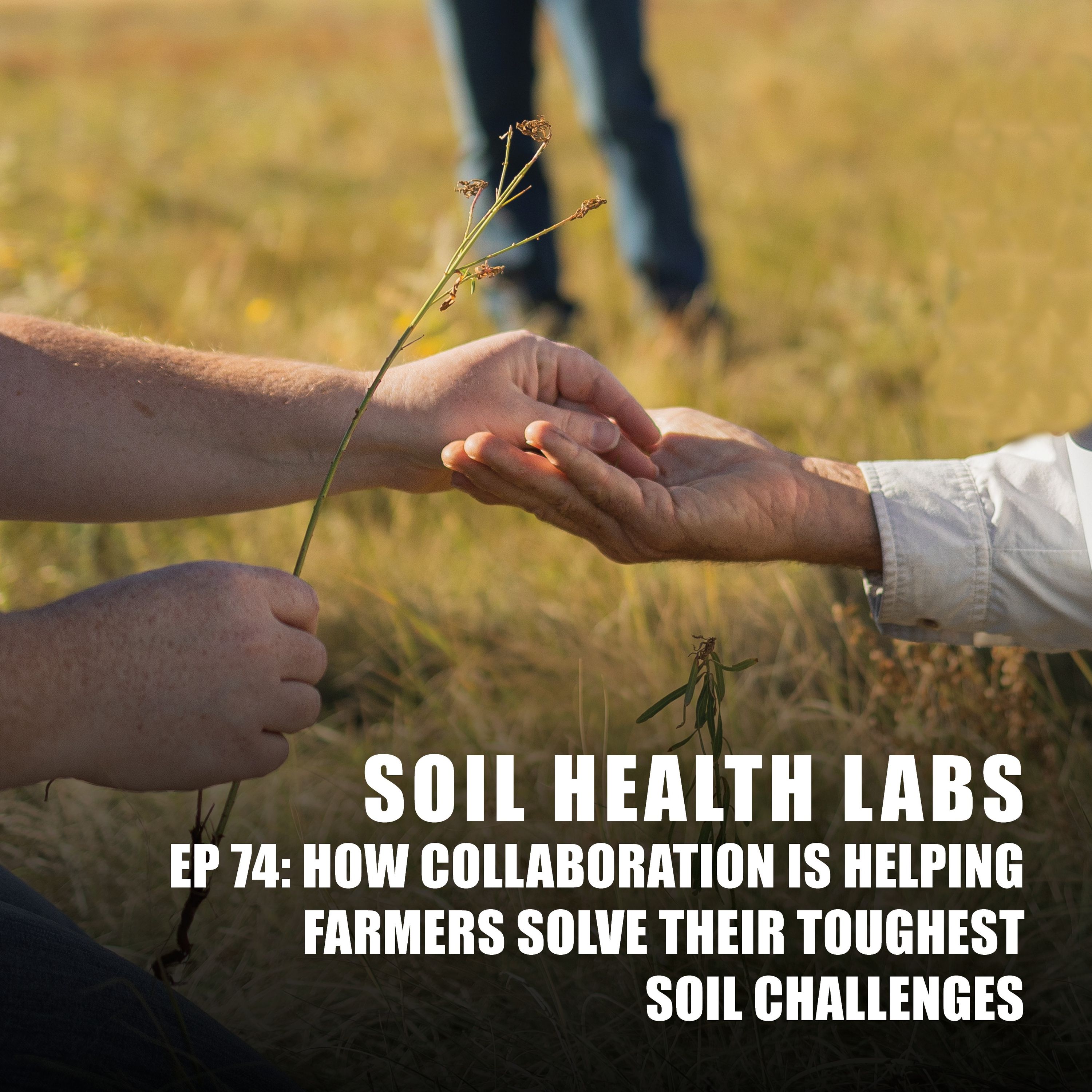
How Collaboration is Helping Farmers Solve Their Toughest Soil Challenges
from Soil Health Labs · host Soil Health Labs
This episode of the Soil Health Labs podcast delves into the importance of peer learning among farmers, innovative approaches to soil health, and the implementation of climate-smart practices through the Climate-Smart Grown in SC Program out of Clemson and SC State Universities. Featuring insights from Dr. Lacy Barnette, this episode explores how collaboration, community support, and scientific research drive sustainable agricultural practices.From as early as middle school, Dr. Lacy Barnette was interested in sustainable agriculture. She made the very wise decision of getting her PhD in Environmental Health Sciences from us right here in the Soil Health Lab and has since moved into a position as an Extension Associate at Clemson University where she is a part of the Leafy Greens program of their Climate-Smart Grown in SC project. This Climate-Smart program is a USDA-funded initiative aimed at sustainable practices in four main crops: leafy greens, forage, peanuts, and forestry.In this interview, Dr. Barnette emphasizes the benefits of farmers observing and learning from their peers in implementing effective soil health techniques, and the importance of making scientific research relevant and actionable for farmers, particularly in South Carolina. Dr. Barnette also discusses strategies for leafy green farmers to adopt cover cropping, reduce tillage, and approaches to mulching to enhance soil health. She also touches on market influences and policy barriers that may hinder farmers from adopting perennial systems. In all, it’s important to plug oneself into a broad and supportive community, one that is involved in supporting one another's agricultural growth and, preferably, policy that supports regenerative agriculture.Dr. Barnette discusses the many varying and visible benefits of cover cropping, such as improved soil health/productivity and pest deterrent. She goes on to discuss some of the common issues some leafy green farmers may face in cover cropping. Diamondback Moths have posed a threat to some crops, for which Dr. Barnett offers some possible remedies, such as compost tea generated from plant matter of surrounding forests.Lastly, she discusses the Initial challenges and logistical hurdles in the first year of the Climate Smart SC Program, and anticipated improvements for the second year, including summer cover crops.Links and ResourcesClemson Extension Climate Smart Program: https://www.climatesmartsc.org/Rodale Institute: https://rodaleinstitute.org
Embed this episode
Ready to play
How Collaboration is Helping Farmers Solve Their Toughest Soil Challenges
No transcript for this episode yet
Similar Episodes
No similar episodes found.
Similar Podcasts
No similar podcasts found.