
EPISODE · Aug 23, 2025 · 4 MIN
📝 “How Do You Manage Bradycardia With Hypotension in IV Sedation?”
from Dr. Gallagher's Podcast · host Brendan Gallagher, DDS
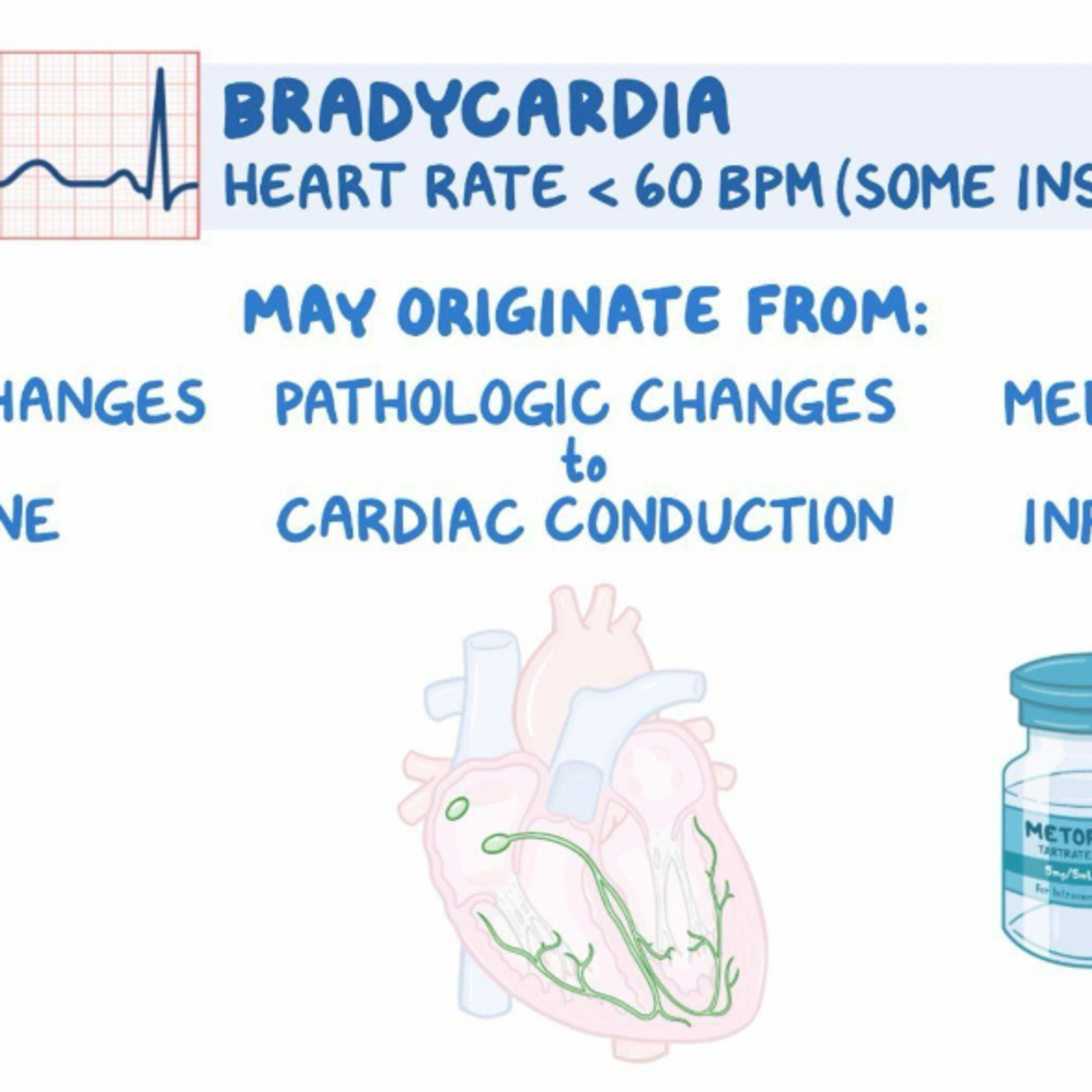
Quick Review #183 - #anesthesia #surgery #surgeon #doctorgallagher #oralsurgery #oralsurgeon #omfs #bradycardia- 8.23.25Management of bradycardia with hypotension during IV sedation requires rapid recognition and a stepwise approach because seconds can determine whether the patient stabilizes or deteriorates. The scenario involves a patient who becomes pale, with BP 90/50 and HR 40, while under sedation. This combination reflects inadequate cardiac output and oxygen delivery.#1 - First step is airway and oxygenation. Immediately stop sedation drugs such as propofol or fentanyl that may be depressing respiration or cardiac function. Apply 100% oxygen via non-rebreather mask, and confirm airway patency. Hypoventilation and hypoxia can drive bradycardia and hypotension, so airway support comes before pharmacology. Monitoring SpO₂ and ETCO₂ is critical to identify hypoventilation early.#2 - Second, circulation support. Establish IV access and give a rapid fluid bolus (e.g., 500 mL normal saline) if no contraindication like heart failure. This supports preload and perfusion while addressing possible vasodilation or intravascular depletion.#3 - Third, pharmacologic intervention. For HR 40 with symptomatic hypotension, the drug of choice is Atropine 0.5 mg IV push, repeatable every 3–5 minutes to a maximum of 3 mg. Atropine blocks vagal influence on the SA node, increasing HR and improving cardiac output. Importantly, phenylephrine is avoided because, as a pure α-agonist, it can increase afterload but worsen reflex bradycardia. Epinephrine is reserved for cardiac arrest or refractory anaphylaxis, not first-line for isolated bradycardia with a perfusing rhythm.#4 - Fourth, reassess and escalate. If the patient fails to respond, prepare for advanced measures: epinephrine infusion, transcutaneous pacing, or EMS activation for hospital transfer. Always check ECG for underlying rhythm changes, but only after stabilizing airway, breathing, and circulation.Key Takeaway: Sequence matters—airway and oxygen first, fluids for support, then atropine to directly treat bradycardia. Recognizing oversedation and preventing recurrence with careful titration and continuous monitoring are equally essential.References:1. Osmosis. (n.d.). Approach to bradycardia: Clinical sciences. Elsevier. Retrieved August 23, 2025, from https://lnkd.in/enGbptP92. Miloro, M., Ghali, G. E., Larsen, P. E., & Waite, P. (2022). Peterson’s Principles of Oral and Maxillofacial Surgery (4th ed.). Springer.3. Abubaker, A. O., Lam, D., & Benson, K. (2016). Oral and Maxillofacial Surgery Secrets (3rd ed.). Elsevier.4. ChatGPT.2025#podcast #dentalpodcast #doctor #dentist #dentistry #oralsurgery #dental #dentalschool #dentalstudent #dentistlife #oralsurgeon #doctorgallagher
Embed this episode
NOW PLAYING
📝 “How Do You Manage Bradycardia With Hypotension in IV Sedation?”
No transcript for this episode yet
Similar Episodes
No similar episodes found.
Similar Podcasts
No similar podcasts found.