
EPISODE · Apr 3, 2025 · 12 MIN
How Economics Learned to Love Collapse
from Philosophics — Philosophical and Political Ramblings · host Bry Willis
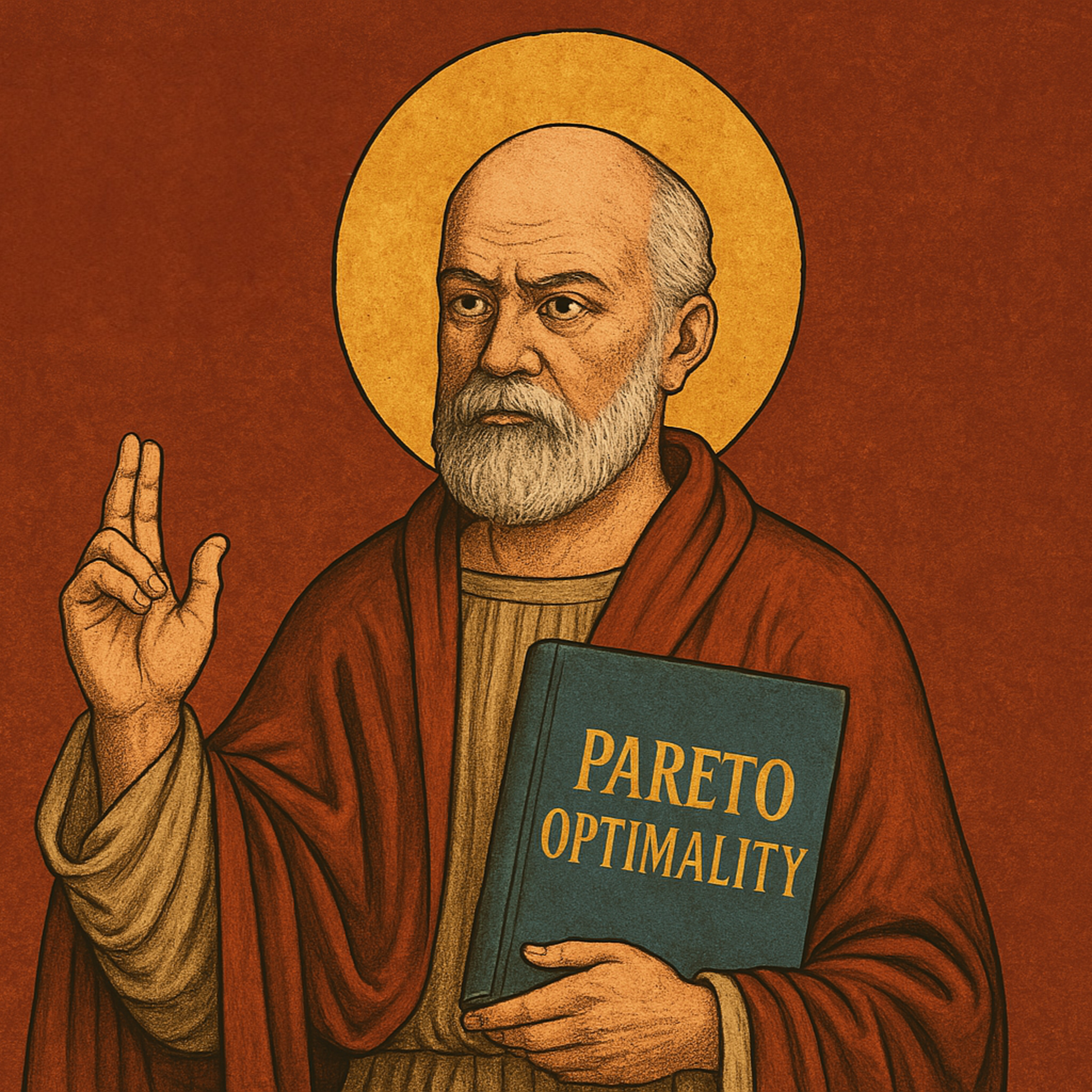
The provided text critiques mainstream economics, arguing that its reliance on the Pareto principle and models of "optimality" ignores systemic injustices and environmental consequences. The author contends that this economic framework, fixated on efficiency and equilibrium, treats crucial issues like inequality and ecological damage as externalities. The piece further suggests that historical economic theories, such as Jevons' paradox and the Kuznets Curve, failed to prevent unsustainable practices. Ultimately, the text portrays conventional economics as a flawed "theology" unfit to address the real-world crises of climate change and biodiversity loss, advocating for a radical shift towards ecological and post-growth perspectives.https://philosophics.blog/2025/04/04/the-church-of-pareto-how-economics-learned-to-love-collapse/
Embed this episode
Ready to play
How Economics Learned to Love Collapse
No transcript for this episode yet
Similar Episodes
No similar episodes found.
Similar Podcasts
No similar podcasts found.