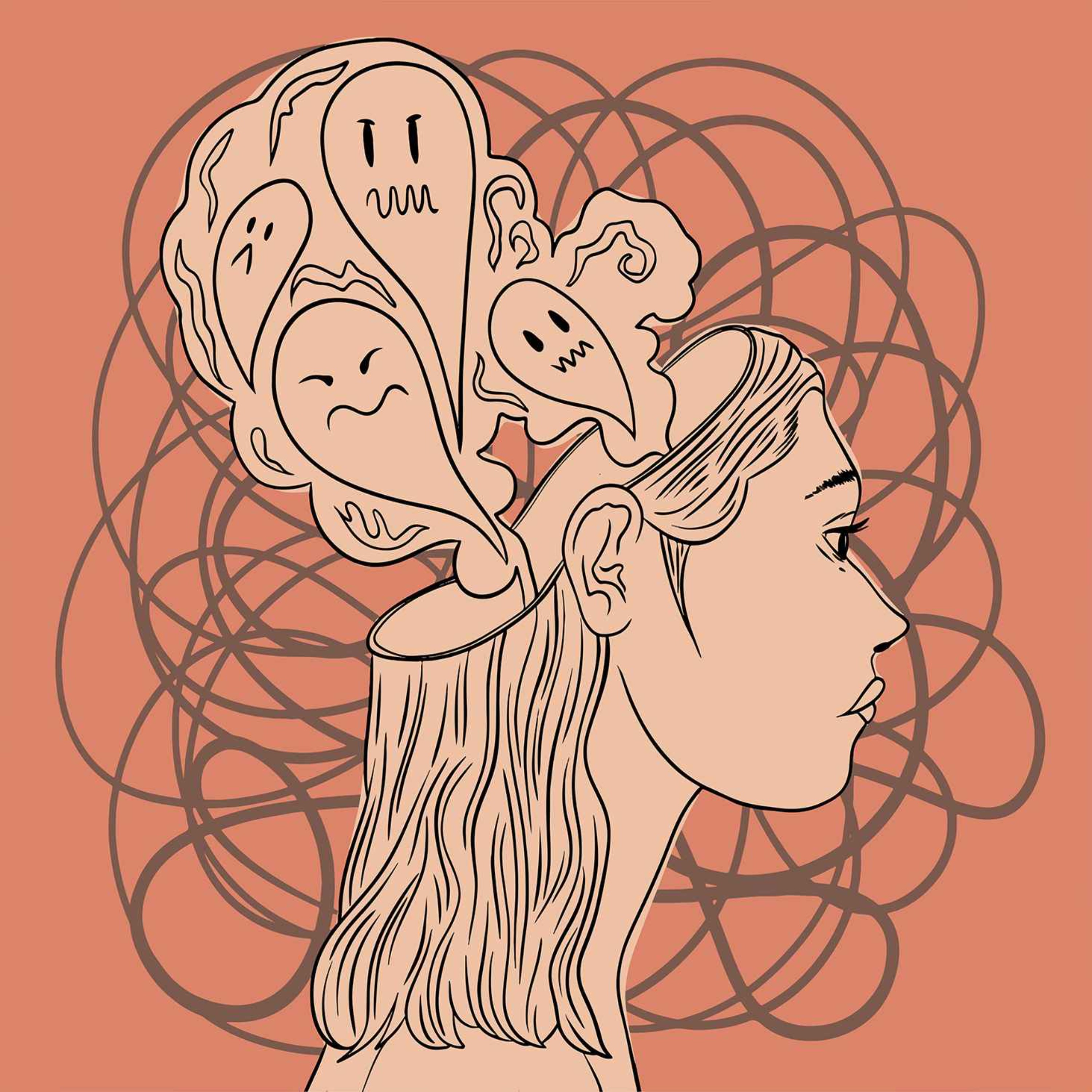
How fear is being weaponized against you (and how to respond) episode artwork

EPISODE · Jan 27, 2025 · 22 MIN

How fear is being weaponized against you (and how to respond)

from Berkeley Voices

Against her mom’s warnings, UC Berkeley political scientist Marika Landau-Wells watched Arachnaphobia as a kid. Ever since, she has been terrified of spiders. But over the years, she has learned to reason with her quick fear response — No, that spider is not 8 feet in diameter — and calmly trap them and put them outside.We all encounter problems like this, she says, where we have quick reactions to things we’ve learned to fear. It might be something that is actually dangerous that we really should quickly react to, but it could also be a tiny, non-threatening spider. Each time, we have to decide what kind of problem it is and then how to respond. She says this task is especially hard today because we're inundated with messages trying to hijack our fear response, from junky online ads to the way politicians speak.Landau-Wells studies how we make these kinds of decisions, and what influences how we act, especially in situations where there’s a lot on the line.This is the fourth episode of our eight-part series on transformation. In eight episodes, we’re exploring how transformation — of ideas, of research, of perspective — shows up in the work that happens every day at UC Berkeley. New episodes of the series come out on the last Monday of each month. See all episodes of the series.Key takeaways:We learn what to be afraid of; once we fear something, it’s hard to change our perception.We’re bombarded with messaging trying to hijack our quick fear responses.Research on how the brain processes fear could help us persuade people to see dangers differently and influence how world leaders make decisions.Listen to the episode and read the transcript on UC Berkeley News (news.berkeley.edu/podcasts).Music by Blue Dot Sessions.Image by Sara Oliveira/Unsplash+ Hosted on Acast. See acast.com/privacy for more information.

Against her mom’s warnings, UC Berkeley political scientist Marika Landau-Wells watched Arachnaphobia as a kid. Ever since, she has been terrified of spiders. But over the years, she has learned to reason with her quick fear response — No, that spider is not 8 feet in diameter — and calmly trap them and put them outside.We all encounter problems like this, she says, where we have quick reactions to things we’ve learned to fear. It might be something that is actually dangerous that we really should quickly react to, but it could also be a tiny, non-threatening spider. Each time, we have to decide what kind of problem it is and then how to respond. She says this task is especially hard today because we're inundated with messages trying to hijack our fear response, from junky online ads to the way politicians speak.Landau-Wells studies how we make these kinds of decisions, and what influences how we act, especially in situations where there’s a lot on the line.This is the fourth episode of our eight-part series on transformation. In eight episodes, we’re exploring how transformation — of ideas, of research, of perspective — shows up in the work that happens every day at UC Berkeley. New episodes of the series come out on the last Monday of each month. See all episodes of the series.Key takeaways:We learn what to be afraid of; once we fear something, it’s hard to change our perception.We’re bombarded with messaging trying to hijack our quick fear responses.Research on how the brain processes fear could help us persuade people to see dangers differently and influence how world leaders make decisions.Listen to the episode and read the transcript on UC Berkeley News (news.berkeley.edu/podcasts).Music by Blue Dot Sessions.Image by Sara Oliveira/Unsplash+ Hosted on Acast. See acast.com/privacy for more information.

NOW PLAYING

How fear is being weaponized against you (and how to respond)

0:00 22:33

No transcript for this episode yet

We transcribe on demand. Request one and we'll notify you when it's ready — usually under 10 minutes.

LE HAWKESBURY SOCIAL ’BACK TO LIFE’ ADAM STACEY Welcome to the ‘Le Hawkesbury Social’, 'Back to Life’ a space where we celebrate life in all its colors: happiness, joy, love, connection, and even the moments of sadness that make us human. A space where we celebrate life in all its colors: happiness, joy, love, connection, and even the moments of sadness that make us human. Hosted by a passionate mental health advocate, this show dives deep into the topics that truly matter to today’s culture and community. Each episode offers honest conversations, thoughtful reflections, and real stories that bring people together. Whether you’re here for mental health discussions, community connections, or just looking to feel seen and heard in a fast-paced world, you’re in the right place. Adam believes in building a diverse and inclusive community where voices from every background can come together, share, and support one another. That’s why every Wellness Podcast, we open the mic to local community partners, support services, and inspiring voi Collateral Lateral Magazine Collateral is a collection of new voices exploring every aspect of human life, from the details of our everyday lives to parts of the wider world we never properly consider. The Two Cents Podcast with Penny Hardaway One Cent Media NBA icon and head coach of the University of Memphis Tigers, Penny Hardaway has become on for the most unique and respected voices in the game.On the The Two Cents Podcast, Penny is joined by players, coaches and personalities from across the basketball landscape, bringing their unique perspectives together to give us the most compelling and informative hoops discussions on the game. From the AAU, to the NCAA, the NBA, international competitions, and beyond, they’re breaking down the game — the one on the court to the one played off it — to bring us inside the game, connecting generations through experience, insight and legacy. The Injury Prevention Academy Podcast DORN Companies Welcome to The Injury Prevention Academy Podcast with DORN!Tune in for your ultimate source of cutting-edge insights on workplace injury prevention, safety, ergonomics and wellness. Hosted by DORN and Cheryl Roy, this podcast is your go-to destination for staying informed about the latest news, trends, and data in the realm of employee well-being and workplace safety.Join us as we bring you expert interviews and thought-provoking discussions with leading voices in the field. Our goal? Empowering you to create safer, healthier work environments for your valued employees.🌟 Key Highlights 🌟🔍 Stay Updated: Get the freshest news and data surrounding workplace injury prevention, ergonomics and safety.🧠 Expert Insights: Discover valuable insights from experts covering pain management, injury prevention, safety programs and technology.🤝 Supportive Strategies: Gain actionable strategies to prioritize the safety and well-being of your employees.Whether you're a business owner, HR prof

Frequently Asked Questions

How long is this episode of Berkeley Voices?

This episode is 22 minutes long.

When was this Berkeley Voices episode published?

This episode was published on January 27, 2025.

What is this episode about?

Against her mom’s warnings, UC Berkeley political scientist Marika Landau-Wells watched Arachnaphobia as a kid. Ever since, she has been terrified of spiders. But over the years, she has learned to reason with her quick fear response — No, that...

Can I download this Berkeley Voices episode?

Yes, you can download this episode by clicking the download button on the episode player, or subscribe to the podcast in your preferred podcast app for automatic downloads.
URL copied to clipboard!