
EPISODE · Sep 19, 2021 · 11 MIN
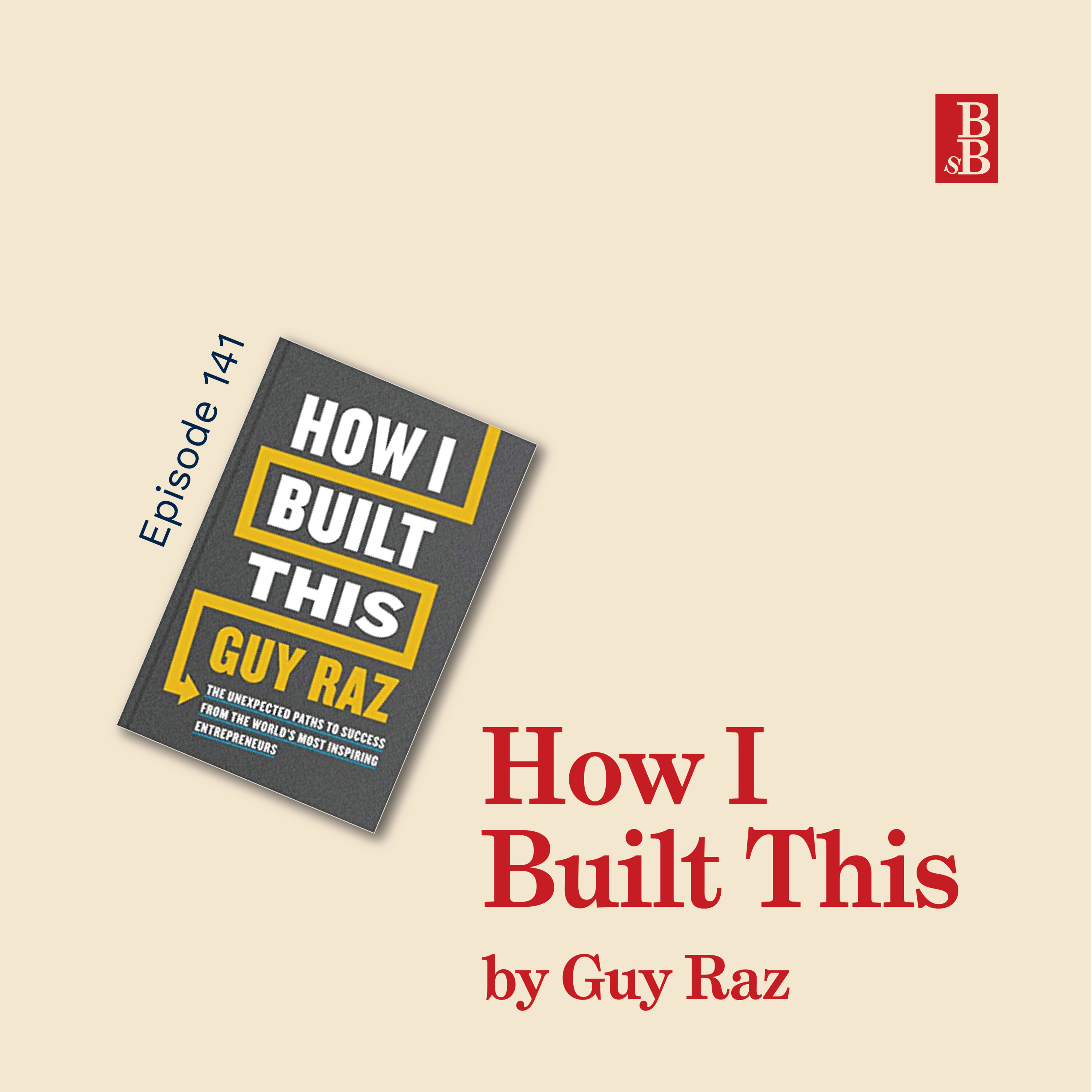
How I Built This by Guy Raz: why entrepreneurship isn't all about risk
from Steph's Business Bookshelf Podcast · host Steph Clarke
About the author Guy Raz is an independent producer who has been described by the New York Times as “one of the most popular podcasters in history.” He’s the founder and CEO of Built-It Productions and the creator and the creative force behind How I Built This. He’s also the former host and co-creator of TED Radio Hour. Guy is also the co-founder of Tinkercast, a children’s media company that produces audio podcasts and educational content for kids. Guy co-created and hosts one of those programs, Wow in the World — the number one kids podcast in English. Together, Guy’s programs are heard by nearly 19 million listeners a month. Source: https://www.npr.org/people/6597623/guy-raz About the book Based on the highly acclaimed NPR podcast, How I Built This with Guy Raz, this book offers priceless insights and inspiration from the world’s top entrepreneurs on how to start, launch, and build a successful venture. Great ideas often come from a simple spark: A soccer player on the New Zealand national team notices all the unused wool his country produces and figures out a way to turn them into shoes (Allbirds). A former Buddhist monk decides the very best way to spread his mindfulness teachings is by launching an app (Headspace). A sandwich cart vendor finds a way to reuse leftover pita bread and turns it into a multimillion-dollar business (Stacy’s Pita Chips). Award-winning journalist and NPR host Guy Raz has interviewed more than 200 highly successful entrepreneurs to uncover amazing true stories like these. In How I Built This, he shares tips for every entrepreneur’s journey: from the early days of formulating your idea, to raising money and recruiting employees, to fending off competitors, to finally paying yourself a real salary. This is a must-read for anyone who has ever dreamed of starting their own business or wondered how trailblazing entrepreneurs made their own dreams a reality. Source: amazon.com Big idea #1 — Dangerous or just scary? Despite the amazing stories of growth and entrepreneurship in the book, it’s important to see the underlying theme of calculated risk in many of the stories. Very few of the founders went into create the mega brands that they ended up creating. They started with an idea, they started with an audience and they developed, tested and created. They created a following and then they made steps to growth gradually. Of course there’s always exceptions; the people who do make the big, risky leaps. But many of the big leaps in the book are made with a “fully packed parachute”. There’s some risk mitigation that has happened. Some people stayed in that full-time or part-time jobs for a long time after the company was successful. They use their own money rather than borrowing. They started and stayed small until growth sustained their next step; the next product line, the next city, or the next bricks and mortar outlet. Now, of course, there’s always a point where there is an element of risk. And for every Lisa Price (Carol’s Daughter founder) who grew slow and steadily, there’s the Airbnb co-founders sat in their tiny apartment eating noodles every night for dinner. But really, they’re all human, just like you and me. They’re all just normal people who created something and they’ve all just approached it in a different way. Similarly, they all come from different backgrounds, different upbringings, different levels of luck and privilege and being in the right place and the right time, and have things going for them and others against them. But ultimately, it comes down to this: Failing is scary. Wasting your life is dangerous. Big idea #2 — Find a friend Many of the entrepreneurs in the book found a business partner pretty quickly, if they didn’t start with one. This allowed them to spread their particular skills, and tackle different parts of the business. In many cases, someone was the maker and someone else was the marketer. But there was a bit of a recurring theme about the impact on a relationship that a starting a business can have. Steve Huffman and Alexis Ohani, co-founders of Reddit, had been through a hell of a lot by the time they exited after selling to Condé Nast. And by that point, there wasn’t actually much of a business partnership or a friendship left. They hadn’t had the hard conversations. They didn’t set boundaries, discuss roles, and set have the hard talks around decisions. Similarly, Adam and Eric, co-founders of the household cleaning products brand Method, bought totally different skills and styles. One of them was the scientist, the other was the product designer, but they didn’t always approach or appreciate each other’s differences, or see the differences as strengths. After several years, these differences became a point of tension rather than a point of strength. There are heaps of similar stories in the book from couples who started businesses whose relationship then broke down, friends who started businesses but left the business no longer on talking terms.The similarity is that they grew a business together, but in building the business, they forgot to grow their relationship or friendship along the way. Some of them specifically said that looking back they could see it happening They stopped hanging out, they stopped talking, they stopped having fun together, and all the things that made the relationship work initially and in the early days or before starting the business just stopped happening. Big idea #3 — The side door There’s lots of information in this book about different funding options for a startup, from credit cards to venture capital. But this is really the mechanics of business/startups, which is worth reading if you’re interested in those areas. But the one area I did want to call out is this one around going in through the side door. There’s this chapter specifically dedicated to this, but also you see this theme coming up a few times in the founders stories. Ultimately, the front door is often very crowded, with your competition, gatekeepers, and also with very high barriers. And even in 2021, for some people, unfortunately, the barriers are still even higher. So often, the side door is actually bigger, less guarded and just generally less crowded. One of the side door examples in the book was Peter Rahal, the founder of RX Bars, a paleo energy bar. When Peter started the business he went into Wholefoods (the holy grail of where to sell such a product) and saw box after box, and bar after bar of similar products. The competition was huge and getting a conversation with a buyer from Wholefoods about yet another another sports bar or another energy bar was just going to be impossible. So instead, he thought about who he was really making the product for. And it was people like him; CrossFitters who eat in a paleo way. So that’s how he went on to sell directly into CrossFit gyms/boxes. In this environment he was the only product being sold (so zero competition), and given he was a small business, this niche market was big enough to sustain his business. Plus, these were his people; he understood them and they understood what he was selling. Peter ultimately sold to Kellogg’s for $600 million, which goes to show that starting small does not need to mean you stay small. Side doors could include things like how you position your product, who you sell through, the product itself, or access to funding. There’s plenty of different ways to think about the side door, but the important thing is that you do think about the side door. Support my book habit: https://www.buymeacoffee.com/stephsbookshelfSee omnystudio.com/listener for privacy information.
Embed this episode
NOW PLAYING
How I Built This by Guy Raz: why entrepreneurship isn't all about risk
No transcript for this episode yet
Similar Episodes
No similar episodes found.
Similar Podcasts
No similar podcasts found.