
EPISODE · Jan 30, 2026 · 14 MIN
How Power, Loyalty, and Donations Became Les Wexner’s Shield Against Epstein Allegations (1/30/26)
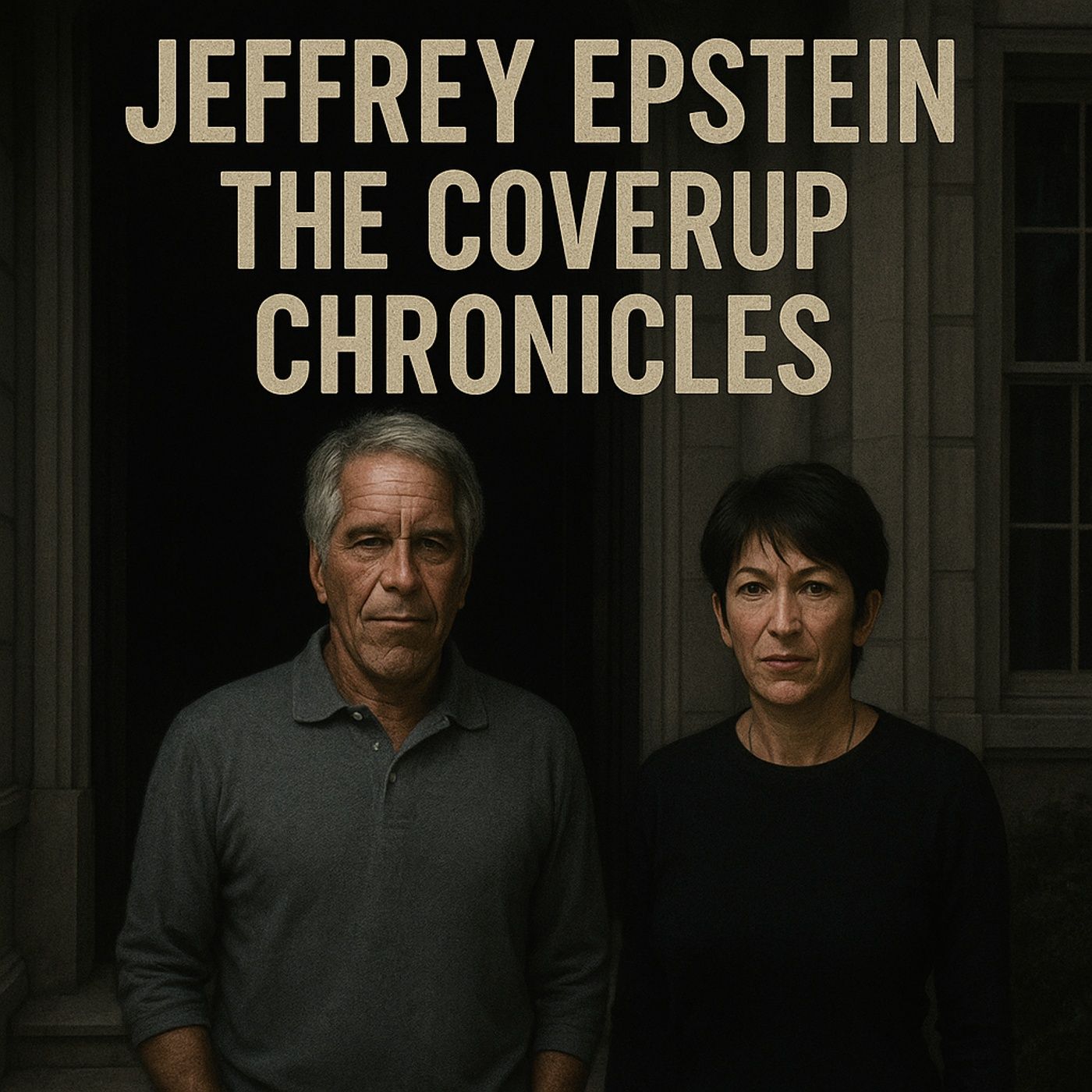
from Jeffrey Epstein: The Coverup Chronicles · host Bobby Capucci
Gordon Gee framed his defense of Les Wexner as a matter of loyalty, philanthropy, and presumed ignorance, insisting that Wexner was blindsided by Jeffrey Epstein and had no meaningful awareness of the abuse orbiting his former confidant. Gee leaned heavily on Wexner’s decades of charitable giving and institutional support, portraying him as a benefactor whose generosity and civic engagement should outweigh uncomfortable questions. In doing so, Gee treated proximity to Epstein as an unfortunate coincidence rather than a relationship that lasted years, involved extraordinary financial power, and raised obvious red flags long before the public reckoning.What makes Gee’s defense so troubling is not just what he said, but what he refused to confront. By defaulting to character references and donation tallies, Gee sidestepped the basic issue of responsibility that comes with wealth, access, and sustained association. His comments implied that elite benefactors deserve the benefit of the doubt denied to everyone else, and that institutional gratitude can substitute for scrutiny. Instead of demanding accountability proportional to influence, Gee lowered the bar, effectively arguing that if someone gives enough money and claims shock afterward, the questions should stop. For critics, that posture doesn’t protect the truth—it protects the donor class, and it reinforces the very culture of deference that allowed Epstein’s network to operate in plain sight for so long.to contact me:[email protected]:Former OSU President Gee defends Les Wexner amid probe into billionaire's ties to Epstein | WOSU Public Media
What this episode covers
Gordon Gee framed his defense of Les Wexner as a matter of loyalty, philanthropy, and presumed ignorance, insisting that Wexner was blindsided by Jeffrey Epstein and had no meaningful awareness of the abuse orbiting his former confidant. Gee leaned heavily on Wexner’s decades of charitable giving and institutional support, portraying him as a benefactor whose generosity and civic engagement should outweigh uncomfortable questions. In doing so, Gee treated proximity to Epstein as an unfortunate coincidence rather than a relationship that lasted years, involved extraordinary financial power, and raised obvious red flags long before the public reckoning.What makes Gee’s defense so troubling is not just what he said, but what he refused to confront. By defaulting to character references and donation tallies, Gee sidestepped the basic issue of responsibility that comes with wealth, access, and sustained association. His comments implied that elite benefactors deserve the benefit of the doubt denied to everyone else, and that institutional gratitude can substitute for scrutiny. Instead of demanding accountability proportional to influence, Gee lowered the bar, effectively arguing that if someone gives enough money and claims shock afterward, the questions should stop. For critics, that posture doesn’t protect the truth—it protects the donor class, and it reinforces the very culture of deference that allowed Epstein’s network to operate in plain sight for so long.to contact me:[email protected]:Former OSU President Gee defends Les Wexner amid probe into billionaire's ties to Epstein | WOSU Public Media
NOW PLAYING
How Power, Loyalty, and Donations Became Les Wexner’s Shield Against Epstein Allegations (1/30/26)
No transcript for this episode yet
Similar Episodes
Dec 5, 2025 ·50m
Oct 9, 2025 ·33m
Oct 3, 2025 ·40m
Sep 11, 2025 ·31m
Aug 27, 2025 ·39m
Aug 18, 2025 ·54m