
EPISODE · May 26, 2026 · 23 MIN
How Saying "I Can't Leave Without Doing Something" Shaped Cassie Furnari's Life's Work
from I Don't Know You · host Matt Heisler
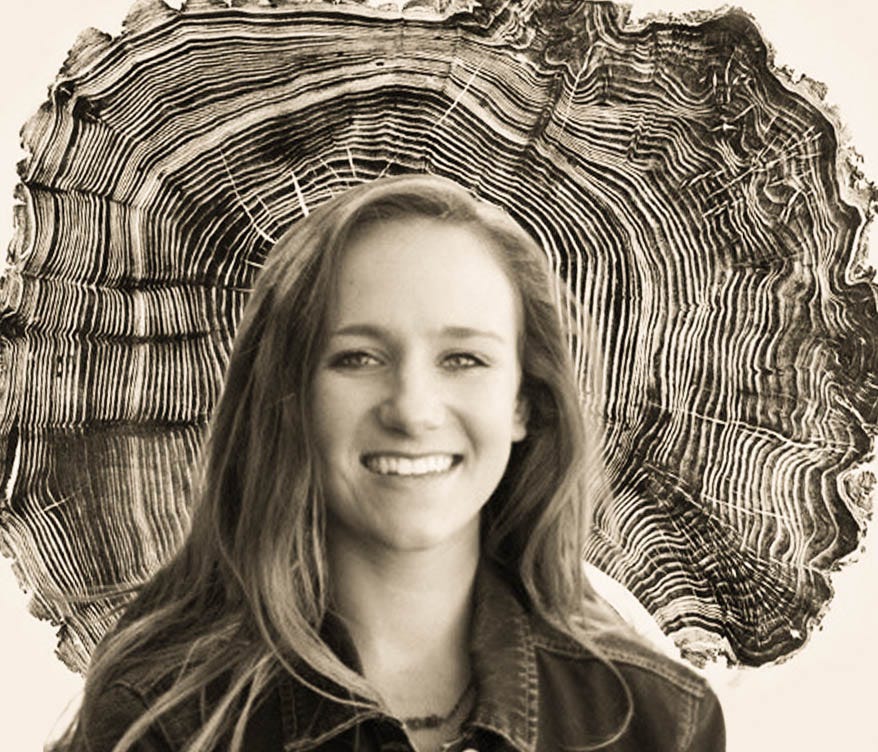
Today I’m joined by Cassie Furnari, founder and president of Milele Home — a rescue and recovery home for homeless young men in Kenya. This is a Barnabas Q&A episode, so it’s a bit different in format: Cassie shared her story with a group of young leaders, and we got to hear some really great questions from the audience. What struck me most is how Cassie didn’t set out to start a nonprofit. She was wrapping up an internship in Kenya when she met twelve boys living on the streets, tried to hand them off to existing organizations, and was told no. So she did something about it herself. That accidental obedience, over fifteen years, has become something extraordinary.If you want to learn more about Milele or Barnabas Group, links are in the show notes below.Links:* Cassie on LinkedIn: linkedin.com/in/cassie-furnari-60b503102* Milele Home: milelehome.org* Barnabas Group OC: barnabasgroupoc.orgWe discuss:* The origin story of Milele and how Cassie stumbled into founding it (0:43)* Growing up in a missions-minded family and how it shaped her heart (5:13)* How Cassie protects herself from burnout leading a demanding nonprofit (5:59)* Addressing root causes — why Milele works with families, not just the boys (8:40)* The “Restore” step: physical, spiritual, and emotional rehabilitation on-site (11:55)* Building and succession planning around key local leaders Joel and Margaret (13:29)* A tour of the new campus: farm, chapel, courts, counseling center, and more (14:34)* Her advice for young professionals wanting to get involved in grassroots work (16:35)* The vision for Milele as a training hub — not just replication (19:14)* The spiritual warfare Cassie felt the moment the campus opened (21:46)10 lessons from my conversation with Cassie Furnari:* (0:43) The best organizations are often built by accident. Cassie wasn’t trying to start a nonprofit. She was finishing an internship, met twelve boys on the streets, tried to hand them off to other organizations, and was told no. That gap — and her refusal to accept it — is where Milele began.* (2:01) “I can’t leave without doing something” is a calling in disguise. That phrase is one of the most honest descriptions of vocation I’ve heard. Cassie didn’t have a vision statement or a five-year plan. She had a conviction she couldn’t ignore.* (3:17) Locally-led is not just a strategy — it’s a value. From the beginning, Cassie wanted what she was building to be owned by Kenyans. She found Joel and Margaret — a pastor and a trained social worker — who became the true architects of Milele’s culture and impact. That humility has made the work sustainable.* (5:13) The seeds of calling are planted early. Cassie grew up going to Mexico and Kenya with her family through their church. She didn’t manufacture her passion — it was cultivated in her over years of early exposure to global need. Pay attention to where your heart was opened young.* (5:59) Burnout doesn’t announce itself — it accumulates. Cassie shared honestly that this last season has been the closest to burnout she’s felt. It took outside community — not just her own willpower — to recognize it and respond. The people around us often see what we can’t.* (7:42) Empowering your team is the best anti-burnout strategy. Because Cassie trusts her team in Kenya, she can actually step away. Permission to rest only works if you’ve built people who are empowered to run without you.* (9:50) Per one boy served, eight people in his family are impacted. That’s not a statistic — that’s a philosophy. Milele doesn’t just help boys get off the streets. They go into homes, work with mothers, run addiction recovery courses, and partner with local churches. The ripple effect is the point.* (12:21) You can’t go straight from the streets into school. The “Restore” phase exists because there’s a gap — not in resources, but in readiness. Trauma-informed care, physical detox, discipleship, life skills: these create the bridge between where someone is and where they can go.* (17:36) “Your vocation is where the world’s deepest need and your greatest gladness meet.” This quote from Cassie’s college days has stayed with her ever since — and it shows. The advice she gives young people isn’t about résumés or roles. It’s about finding where your specific fire meets a specific need.* (21:46) Big breakthroughs invite spiritual opposition. After four years of planning, designing, and fundraising, the Milele campus finally opened. And almost immediately, Cassie said it felt like everything was coming against them. She framed it simply: “I don’t think we’re making the enemy happy right now.” There’s something worth sitting with in that.About Cassie Furnari: Cassie Furnari is the founder and president of Milele Home, a rescue and recovery nonprofit serving homeless young men in Kenya. What started as an act of stubborn compassion at the end of a college internship has grown into a fully-staffed residential campus offering physical restoration, trauma-informed counseling, faith-based discipleship, vocational training, and family intervention. Cassie is also a member of the Barnabas Group OC’s Emerging Leaders cohort, where she continues to develop alongside other young leaders in ministry and business. She lives in Southern California with her husband and kids. Get full access to Matt Heisler at mattheisler.substack.com/subscribe
Embed this episode
Ready to play
How Saying "I Can't Leave Without Doing Something" Shaped Cassie Furnari's Life's Work
No transcript for this episode yet
Similar Episodes
Nov 7, 2025 ·27m