
EPISODE · Oct 9, 2023 · 1H 9M
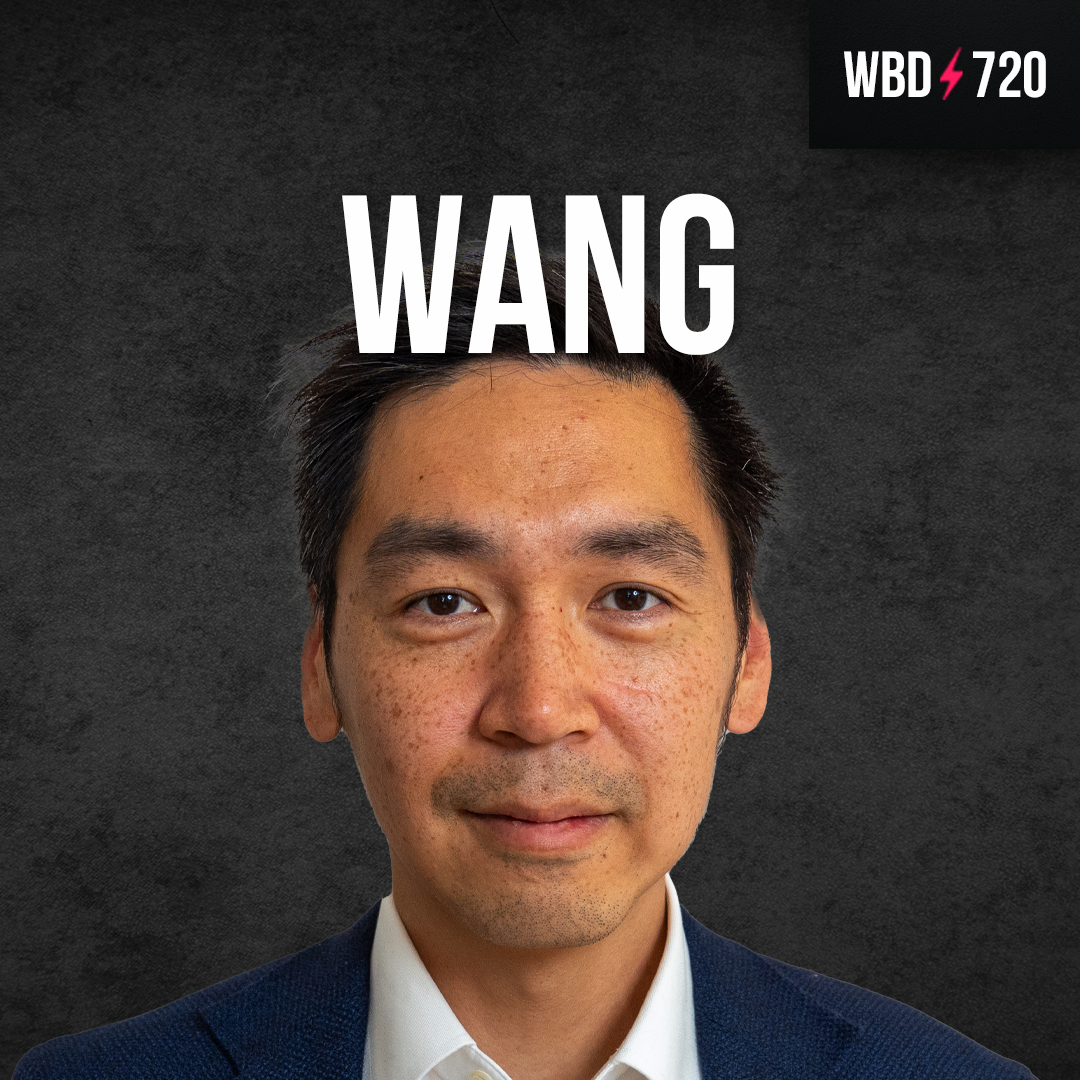
How the Federal Reserve Works with Joseph Wang - WBD720
Joseph Wang is a former senior treasury trader at the Fed who now runs Fedguy.com, a research blog on financial markets. In this interview, we discuss his experience working on the Fed's treasury trading desk, the role of central banks and how this has expanded over time, the relationship between the Fed and the Treasury, quantitative easing, deficit spending, the growing national debt, and the benefits of decentralisation. - - - - The Federal Reserve is the United States Central Bank. Established in 1913 after a series of banking panics, its primary purpose was to provide a more stable and reliable banking system by regulating financial institutions, providing banking services to the government, and promoting financial stability. However, the Fed's role has expanded over time to encompass market interventions in response to economic fluctuations and financial crises. One crucial aspect of the Fed's remit is the implementation of monetary policy. Through tools such as open market operations, reserve requirements, and interest rate adjustments, the Fed seeks to control inflation, stabilise prices, and promote maximum employment. As the economy has become more complex, so has the Fed's toolkit to address emerging challenges to include extreme actions such as becoming the lender of last resort and quantitative easing. A popular criticism is that the Fed's actions have materially affected the state's increasing and unsustainable deficit and debt growth. Whilst the Fed does not have the power to directly increase or decrease deficits, it can indirectly contribute to deficits through its monetary policy actions. Regarding the national debt, the Fed currently owns significant amounts of U.S. government bonds, resulting from its efforts to stabilise the economy during times of crisis. A more fundamental issue is the Fed's potential role as the centralised authority in the control of money. CBDCs provide for the complete digitisation of money and the disintermediation of retail banks, which would provide the Fed with even more capacity to affect monetary policy. Despite the risks to personal sovereignty, such power would be too tempting for central bankers to forgo. Essentially, decentralisation is needed to keep the Fed in check. All roads lead to Bitcoin! - Show notes: https://www.whatbitcoindid.com/podcast/how-the-federal-reserve-works This episode's sponsors: Iris Energy - Bitcoin Mining. Done Sustainably Bitcasino - The Future of Gaming is here Ledger - State of the art Bitcoin hardware wallet Wasabi Wallet - Privacy by default Unchained - Secure your bitcoin with confidence OrangePillApp - Stack Friends Who Stack Sats Hosted on Acast. See acast.com/privacy for more information.
Embed this episode
NOW PLAYING
How the Federal Reserve Works with Joseph Wang - WBD720
No transcript for this episode yet
Similar Episodes
No similar episodes found.
Similar Podcasts
No similar podcasts found.