
EPISODE · Apr 29, 2026 · 18 MIN
How the Forest Protest us and why we should preserve it
from Cortes Currents · host roy.hales9.gmail.com
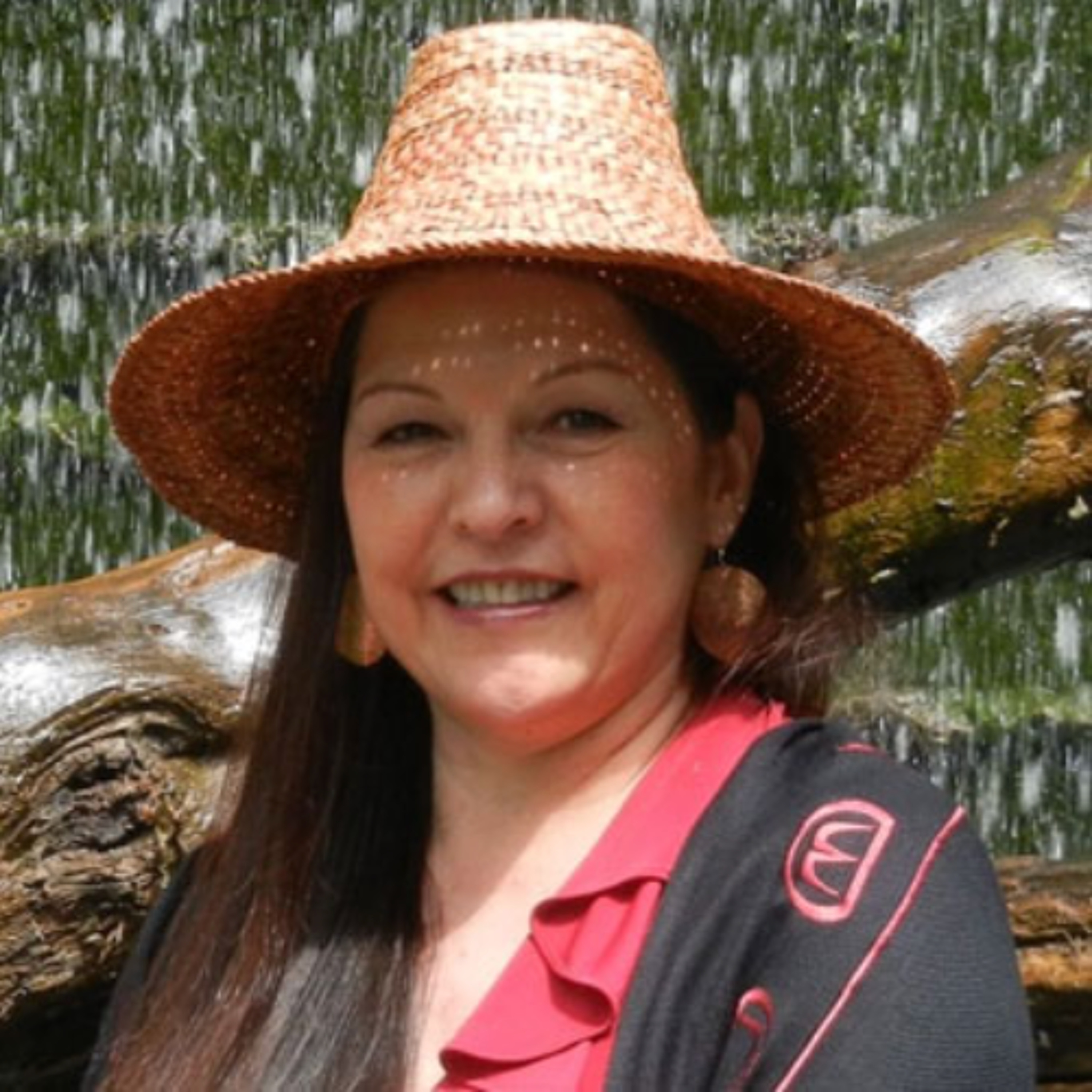
Roy L Hales/ Cortes Currents - Dr Teresa Ryan is a Tsimshian woman who combines the ancestral knowledge of her people with the cutting edge research coming out of the Mother Tree Project. Her association with Dr Suzanne Simard began when she applied for a postdoctoral fellowship in what is now UBC's faculty of Forestry and Environmental Stewardship. Simard was one of her four instructors and suggested, "We have to talk. I read your dissertation." Ryan responded, "You did what?" Reflecting back on that today, she added, "Who would do that? It's 435 pages, but what she found was that I demonstrated how our indigenous social institutions are connected to our heterogeneous mosaic landscapes." Ryan detailed the obligations for stewardship and explained how they were successfully fulfilled through the potlatch system. "The missionaries, the early anthropologists and the colonial agents missed these connections, they were more interested in other things. They had very objective intentions from each of their perspectives, but that actually overlooked the stewardship that was occurring in the forest and with the fisheries and how those stewardship activities increase productivity." The consequences of this oversight have persisted down to this present day. "Now nobody is taking care of the resources. We're seeing declining numbers in everything, even in the forest industry. You often hear there's no fibre left, that's because it's all cut. The fibre is what contributes to reaching their annual allowable cut, and those numbers are falling because it's been harvested. Fisheries are declining, particularly salmon." She noted, wryly, that scientists have become so expert at collecting data that "we're counting the fish to extinction." Instead of looking at these issues as a whole: "It's all these silos. Forestry taken care of here. The salmon are taken care of here, and orcas: we just look at them." "That's not the way these systems work. In order for us to have the balance return, we need to have all of these systems functioning." She used the plight of one of BC's best known Orca pods as an example of the interconnectivity of natural systems. "The Southern Resident Killer Whales are at risk, but we're not going to be able to recover the Southern Resident Killer Whales if we don't recover the Chinook Salmon, and we can't recover the Chinook Salmon unless we recover the forest." "There's some complex things going on in our forests and there's some complex things going on in our waters, whether it's in the rivers, or the snow pack or the ocean. We're impacting those things as humans, but every little bit of learning is helping us to understand that we'll have those things in the future if we do a better job of taking care of them now." Dr Ryan is one of Dr Simard's closest colleagues and a key figure in her new book: When the Forest Breathes. "The ideas that are within the Forest Breaths come from decades of investigation into how forests function. What happens in the forest among the plants, among the trees, and how are these things growing? What is the premise behind their growth, and their cycles of renewal?" "It's been amazing to have a look at the forest at this level, particularly through the Mycorrhizal networks below ground. The connections that trees have through their root systems and the whole network below our feet in the forest is what gives us that strength in the forest." "I participate with professor Simard in most of our sites. There were originally eight in the interior Douglas Fir forests, and one at Malcolm Knapp, which was our first coastal forest. In the last few years we've been adding sites on the coast. Cortes Island is one of those sites that are added into the Mother Tree Project."
Embed this episode
Ready to play
How the Forest Protest us and why we should preserve it
No transcript for this episode yet
Similar Episodes
No similar episodes found.