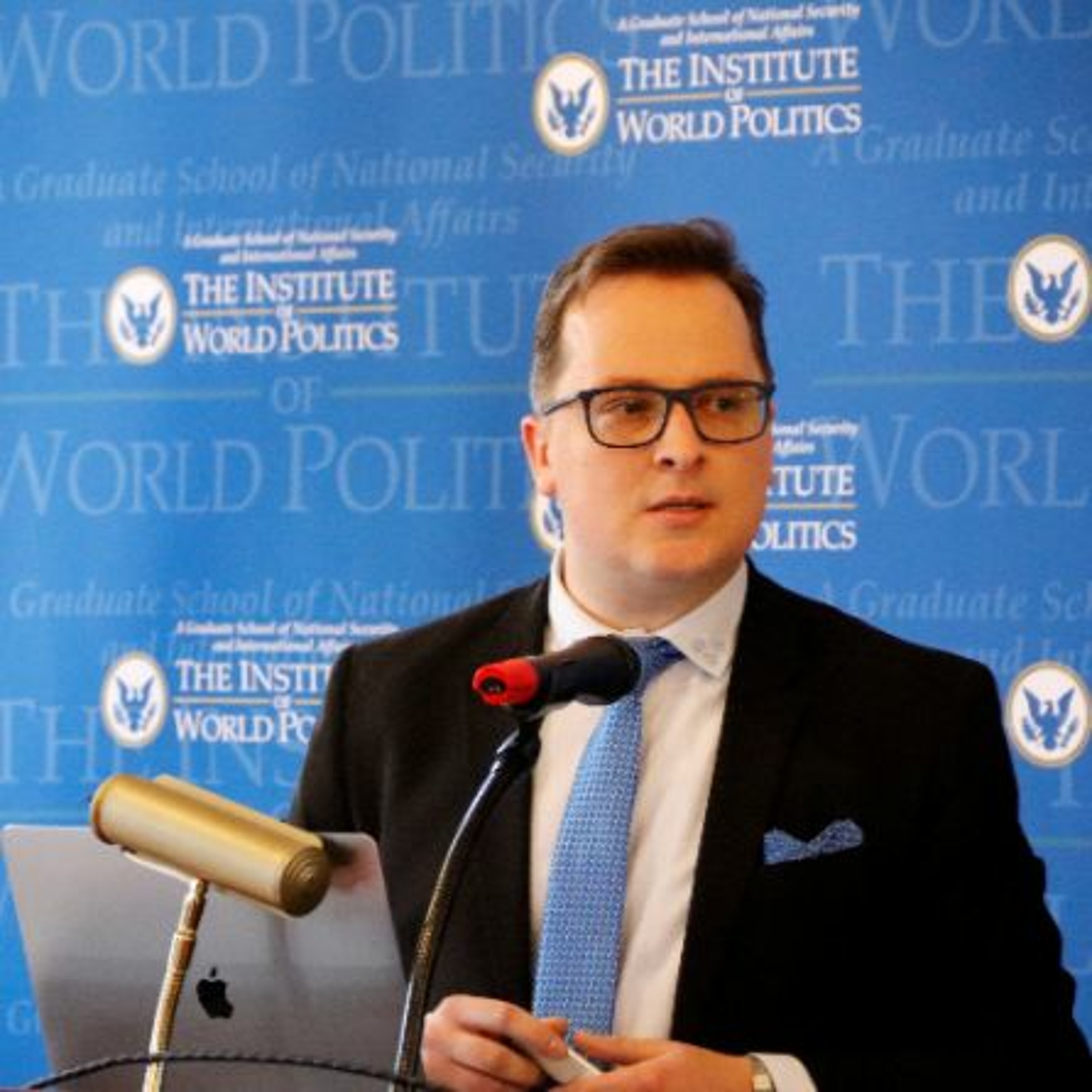
How the Kremlin Weaponized Yandex and Telegram in Tensions with Belarus episode artwork

EPISODE · Mar 13, 2020 · 1H 5M

How the Kremlin Weaponized Yandex and Telegram in Tensions with Belarus

from The Institute of World Politics · host The Institute of World Politics

About the Lecture: Historical Pompeo’s visit to Minsk amid Russia-Belarus tensions was met with thousands of posts, comments, memes, manipulative publications online. The extensive network of pro-Russian organizations, digital influencers, Russia-friendly media, and particularly web-services, including Yandex and Mail.ru news, Odnoklassniki and VK, Telegram messenger, was mobilized to fill out the information space with the specific narrative and mislead the population. This lecture is about the role of media in Russia-Belarus conflict, mechanics of the Russian propaganda machine in Belarus, and how technology helps regimes to manipulate public opinion and perception of the events. About the Speaker: Franak Viačorka is a digital media strategist and journalist from Belarus. He works as a research media analyst for the U.S. Agency for Global Media (contractor) focusing on digital markets of Russia and Eurasia. His research focus is on Russian and Chinese efforts to control smaller actors, spread disinformation, and build the sovereign internet infrastructure. He has served as a creative director for the Belarus service of Radio Free Europe Radio Liberty, Vice President for Digital Communication Network, and consultant for the Freedom House, and Broadcasting Board of Governors. Franak is a frequent speaker and an advocate for democracy and personal freedom. For his activism and journalist work in Belarus, he was multiple times jailed by the Belarus authorities. Franak’s activism in Belarus has been chronicled by documentary filmmakers and recognized by many international organizations, including the National Endowment for Democracy, Freedom House, Open Society Foundations. He was the first Vaclav Havel Fellow at Radio Free Europe / Radio Liberty under Havel’s personal recommendation. He graduated from American University in Washington D.C. (M.A.) and Warsaw University in Poland (B.A.), and he also studied at Belarus State University, Georgetown University, and European Humanities University.

About the Lecture: Historical Pompeo’s visit to Minsk amid Russia-Belarus tensions was met with thousands of posts, comments, memes, manipulative publications online. The extensive network of pro-Russian organizations, digital influencers, Russia-friendly media, and particularly web-services, including Yandex and Mail.ru news, Odnoklassniki and VK, Telegram messenger, was mobilized to fill out the information space with the specific narrative and mislead the population. This lecture is about the role of media in Russia-Belarus conflict, mechanics of the Russian propaganda machine in Belarus, and how technology helps regimes to manipulate public opinion and perception of the events. About the Speaker: Franak Viačorka is a digital media strategist and journalist from Belarus. He works as a research media analyst for the U.S. Agency for Global Media (contractor) focusing on digital markets of Russia and Eurasia. His research focus is on Russian and Chinese efforts to control smaller actors, spread disinformation, and build the sovereign internet infrastructure. He has served as a creative director for the Belarus service of Radio Free Europe Radio Liberty, Vice President for Digital Communication Network, and consultant for the Freedom House, and Broadcasting Board of Governors. Franak is a frequent speaker and an advocate for democracy and personal freedom. For his activism and journalist work in Belarus, he was multiple times jailed by the Belarus authorities. Franak’s activism in Belarus has been chronicled by documentary filmmakers and recognized by many international organizations, including the National Endowment for Democracy, Freedom House, Open Society Foundations. He was the first Vaclav Havel Fellow at Radio Free Europe / Radio Liberty under Havel’s personal recommendation. He graduated from American University in Washington D.C. (M.A.) and Warsaw University in Poland (B.A.), and he also studied at Belarus State University, Georgetown University, and European Humanities University.

NOW PLAYING

How the Kremlin Weaponized Yandex and Telegram in Tensions with Belarus

0:00 1:05:59

No transcript for this episode yet

We transcribe on demand. Request one and we'll notify you when it's ready — usually under 10 minutes.

Frequently Asked Questions

How long is this episode of The Institute of World Politics?

This episode is 1 hour and 5 minutes long.

When was this The Institute of World Politics episode published?

This episode was published on March 13, 2020.

What is this episode about?

About the Lecture: Historical Pompeo’s visit to Minsk amid Russia-Belarus tensions was met with thousands of posts, comments, memes, manipulative publications online. The extensive network of pro-Russian organizations, digital influencers,...

Can I download this The Institute of World Politics episode?

Yes, you can download this episode by clicking the download button on the episode player, or subscribe to the podcast in your preferred podcast app for automatic downloads.
URL copied to clipboard!