
EPISODE · Jun 27, 2025 · 57 MIN
How the tobacco industry drove the rise of ultra-processed foods
from Berkeley Talks
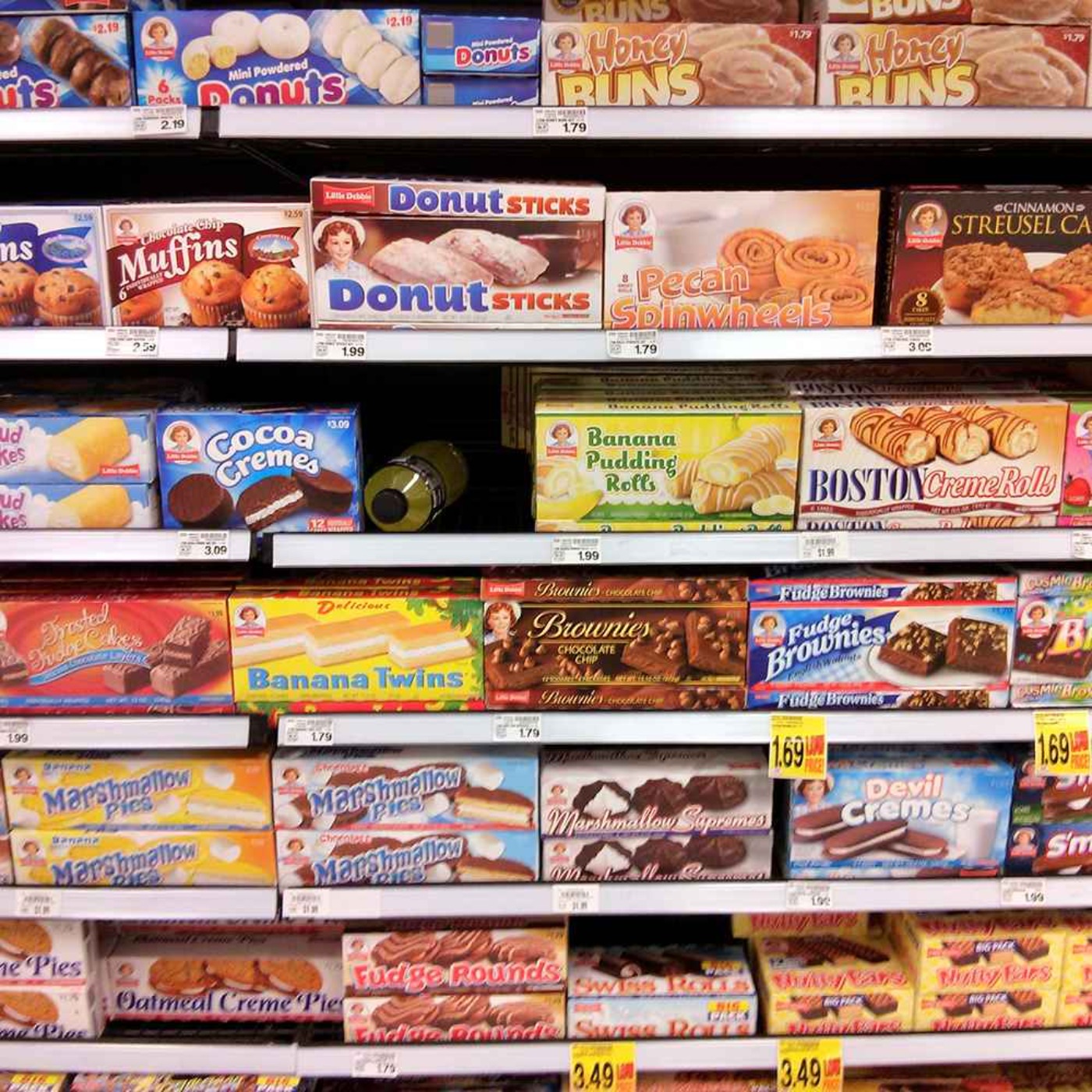
In the early 1960s, R.J. Reynolds, one of the largest and most profitable tobacco companies in the U.S. at the time, wanted to diversify its business. Its marketing strategies had been highly successful in selling its top brands, like Camel, Winston and Salem cigarettes, and executives thought, Why not apply the same strategies to, say, the food industry?So in 1963, R.J. Reynolds acquired Hawaiian Punch. It marked the beginning of the tobacco industry’s entry into the food sector. In the following decades, R.J. Reynolds and Philip Morris expanded aggressively into the food industry, acquiring major brands, like Del Monte, Nabisco, General Foods, Kraft and 7UP, where they produced hyperpalatable, chemically-engineered foods now known as ultra-processed foods, or UPFs. These products were marketed especially to children and other vulnerable groups. In Berkeley Talks episode 229, Laura Schmidt, a professor of health policy in the School of Medicine at UC San Francisco, discusses how ultra-processed foods — like cookies, sodas, instant noodles, fish sticks and cereals — are a direct legacy of the tobacco industry, and are responsible for a dramatic rise in obesity, diabetes and other chronic diseases across the country. “About 60% of the calories in Americans’ diets are from ultra-processed foods,” says Schmidt, who spoke at a UC Berkeley event in May. “In the mid-’80s, when we see ultra-processed foods starting to scale up in the American food supply, we also see obesity starting to really rise. That is the moment when some of the largest food companies are owned by tobacco companies.”This talk took place on May 5, 2025, and was co-sponsored by the Berkeley Food Institute (BFI) and Berkeley Public Health. It was moderated by Isabel Madzorera, an assistant professor in food, nutrition and population health at Berkeley Public Health and co-faculty director at the Berkeley Food Institute.Watch a video of the event on the Berkeley Food Institute’s YouTube page.Listen to the episode and read the transcript on UC Berkeley News (news.berkeley.edu/podcasts).Music by HoliznaCC0.Photo by Cory Doctorow via Wikimedia Commons. Hosted on Acast. See acast.com/privacy for more information.
Embed this episode
NOW PLAYING
How the tobacco industry drove the rise of ultra-processed foods
No transcript for this episode yet
Similar Episodes
No similar episodes found.