
EPISODE · Jul 30, 2025 · 45 MIN
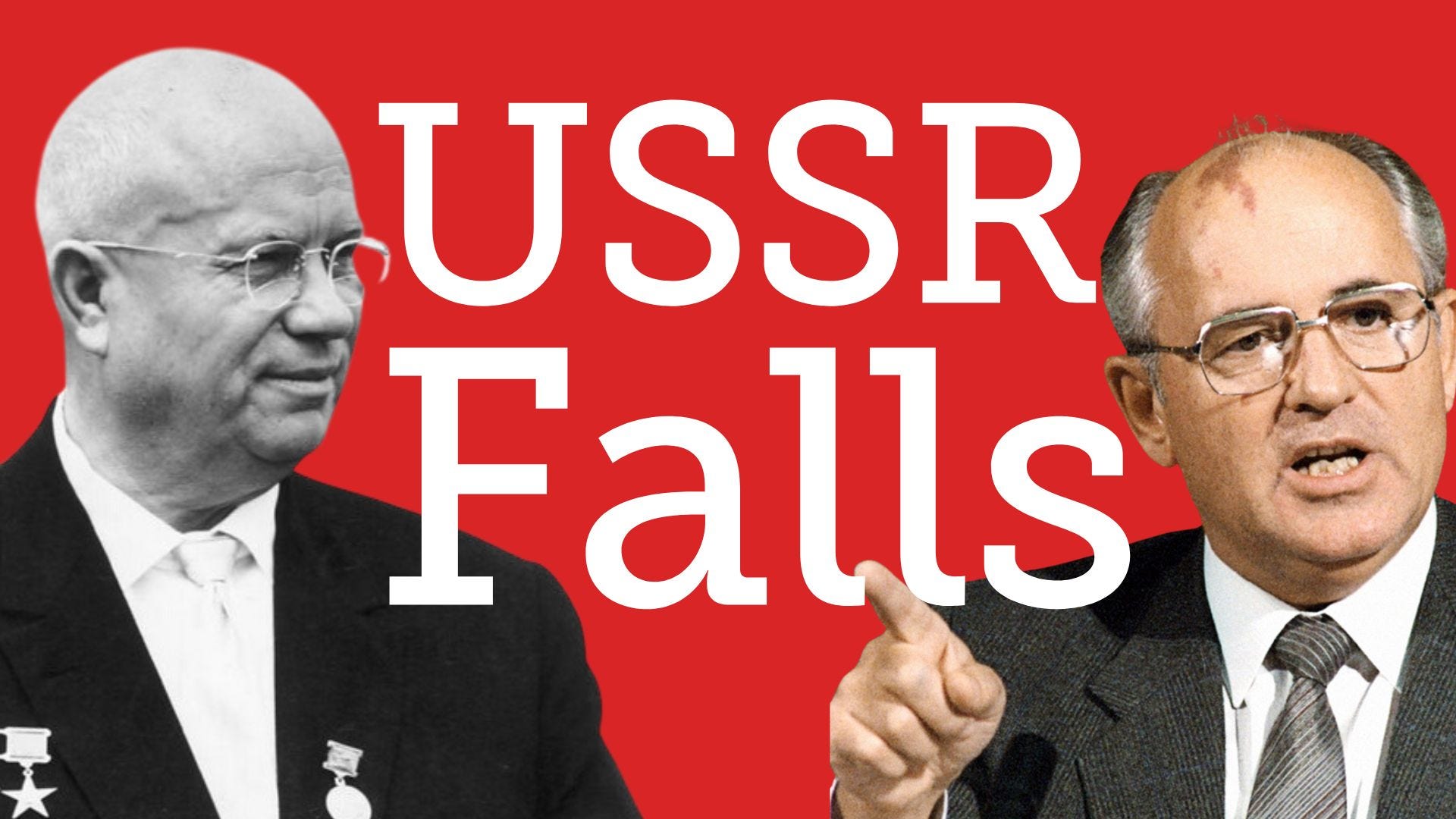
How the USSR Fell | Part 3 | Rise & Fall of the Soviet Economy
from IEA Podcast · host Institute of Economic Affairs
In this Institute of Economic Affairs podcast, Managing Editor Dan Freeman interviews Aymen Aulaiwi, DPhil student at Lincoln College, Oxford, in the final part of a three-part series examining the Soviet economy's rise, peak and downfall. The conversation explores how the Soviet Union's collapse began not with Gorbachev's reforms, but with Khrushchev's dual promise of political liberalisation and consumer goods that the command economy could never deliver. Aulaiwi recounts a revealing train journey across Russia where he discovered the real reason for Soviet nostalgia through a conversation with Tatiana, a former Soviet factory worker, who explained that when the USSR fell, "we got washing machines" - consumer goods that represented individual choice and liberation, particularly for women who controlled household shopping and queuing.The discussion traces the evolution from Khrushchev's "thaw" and his obsession with corn, through Brezhnev's stable but stagnant "golden age" that was funded by Siberian oil discoveries and sustained by vodka sales that comprised 18% of government revenue by 1985. Aulaiwi explains how the Soviet system survived the 1970s through what he calls a "latent crisis" - using oil profits to import Western consumer goods while allowing a massive "second economy" to flourish, with 72% of workers buying shoes on the black market as early as 1935. He describes how Soviet youth developed an "imaginary West" through smuggled Beatles records pressed on X-ray films and Western movies, while the Komsomol organised discotheques where young people danced to ABBA while ignoring communist propaganda.The episode concludes with an analysis of why Gorbachev's perestroika reforms came "too little, too late," and why the Soviet model ultimately failed where Chinese market socialism succeeded. Aulaiwi argues that the fundamental flaw was ideological - the system demanded individual sacrifice for an abstract common good, while people simply wanted the personal liberation symbolised by labor-saving devices like washing machines. He contends that women, not young dissidents, drive real social change because they comprised over 50% of the population and controlled household economics. The conversation demonstrates how the Soviet Union's collapse was primarily an economic story about unfulfilled consumer promises rather than a democratic revolution, with profound implications for understanding how centrally planned economies inevitably fail when they cannot satisfy individual human desires. This is a public episode. If you'd like to discuss this with other subscribers or get access to bonus episodes, visit economicaffairs.co.uk/subscribe
Embed this episode
NOW PLAYING
How the USSR Fell | Part 3 | Rise & Fall of the Soviet Economy
No transcript for this episode yet
Similar Episodes
No similar episodes found.
Similar Podcasts
No similar podcasts found.