
EPISODE · Apr 13, 2026 · 42 MIN
How to Automate Your Lawn Care with Smart Home Integration
from The Smart Home Setup Podcast
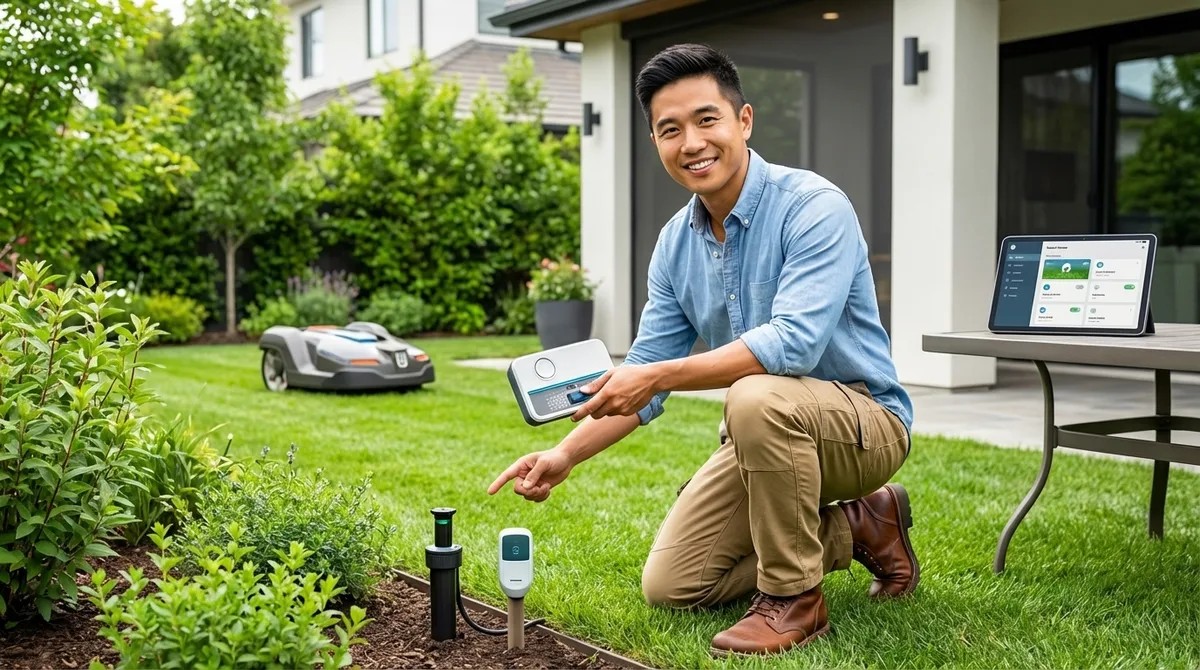
Ever wonder why your smart sprinkler keeps watering during a thunderstorm or your robotic mower gets trapped in the same spot week after week? The problem usually isn't the equipment—it's how these devices communicate with each other. In this episode, Marcus Chen draws on eight years of installing smart lawn care systems to walk you through the real-world steps for connecting robotic mowers, smart irrigation controllers, and outdoor sensors into a cohesive automated system. Whether you're starting from scratch or troubleshooting an existing setup, you'll learn the protocol requirements and automation logic that separate frustrating failures from hands-off success. Compatibility planning is the most critical step before purchasing any device—buying a robotic mower that can't communicate with your hub or setting up irrigation zones without proper automation triggers leads to the most common failures. Smart irrigation controllers like the Rachio 3 require 2.4 GHz Wi-Fi specifically (5 GHz won't work) and need accurate zone configuration including sprinkler head types, sun exposure, and soil type for weather algorithms to function correctly. Properly automated irrigation can reduce water usage by 30–50% while maintaining healthier turf by using sophisticated logic that factors in precipitation probability, soil moisture estimates, and outdoor temperature thresholds. Robotic mowers with GPS boundary mapping operate on proprietary RF for boundary communication but use Wi-Fi or cellular for smart home connectivity—native Zigbee or Z-Wave support typically isn't available, requiring third-party plugins for Home Assistant integration. Cloud dependency creates real vulnerabilities: if your internet drops, irrigation controllers maintain the last programmed schedule but lose weather intelligence, and if Rachio's servers go down, you lose app control entirely until service restores. Automation logic should include conditional triggers like pausing robotic mowers when soil moisture sensors detect wet conditions or when precipitation is forecast, and scheduling quiet hours to avoid running equipment overnight. Read the full article: https://mysmarthomesetup.com/how-to-automate-your-lawn-care-with-smart-home-integration
Embed this episode
NOW PLAYING
How to Automate Your Lawn Care with Smart Home Integration
No transcript for this episode yet
Similar Episodes
No similar episodes found.
Similar Podcasts
No similar podcasts found.