
EPISODE · May 7, 2018 · 1H 7M
How to Change the World: The Gates Foundation's Michael Wiegand
from Barefoot Innovation Podcast · host Jo Ann Barefoot
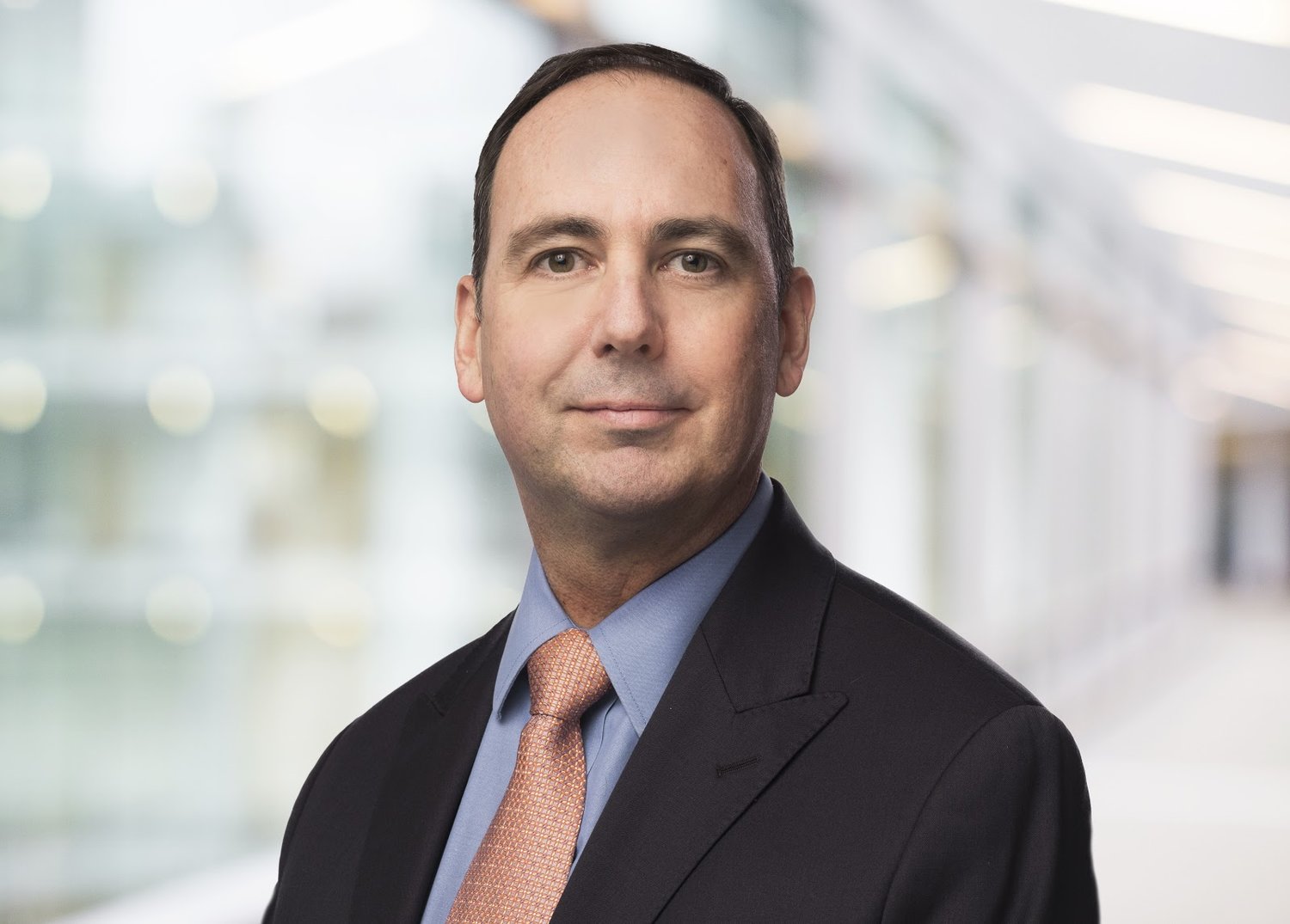
My guest this week is Michael Wiegand, Director of the Financial Services for the Poor strategy at the Bill and Melinda Gates Foundation. If you had new ideas for solving the world's toughest problems, and ample resources to devote to pursuing them, you might do what Bill Gates did when he stepped back from running Microsoft in order to apply what he'd learned there, especially about the power of technology, to problems that have long seemed unsolvable. He and his wife launched their foundation to tackle age-old challenges like eliminating malaria, or combating disease that's spread by lack of clean water and sanitation, or... achieving worldwide financial inclusion. Anyone who spends time with the developing world's financial inclusion efforts is in constant contact with the Gates' Foundation, both directly and indirectly through the many projects and entities they fund. Their efforts are always notable for incisive analysis and insight. Like their counterparts at the Omidyar Network, which works in the same space (and with whom I often work), they have a genius for finding the critical, concrete, doable things that, if accomplished, will set needed change in motion across an entire complex ecosystem, drawing in the efforts and energy of more and more people with leverage on the problem. Michael and I met at the Asian Development Bank summit last winter in Manilla, and then both went on to the Monetary Authority of Singapore's enormous FinTech Festival, where we recorded this conversation. Anyone interested in emerging markets will find it fascinating, but I also recommend it to everyone who cares about consumer finance, financial protection, inclusion, and technology in the developed world as well. As I've said in other shows, developing countries are in many ways ahead of the larger economies in both fintech and regtech. That's mainly because their consumer financial markets are already mostly digital -- i.e. delivered through the mobile phone -- and therefore easier to regulate through digital means. It's also because the rush of new, lower-income consumers into these markets makes it critical for regulators to figure out how to protect them. That is going to require new regulatory tools that are already being designed. The World Bank has set the goal that every adult in the world should have financial access -- essentially a "bank" account in their phone -- by 2020. Michael discusses where we stand in that effort -- nearly two billion people short -- and describes Gates' goals for progress by 2030. He explains what the pathway toward it looks like -- the most critical things that have to happen, including the technology, the infrastructure, and the trust. The pathway starts with payments, since payments innovation like Kenya's M-Pesa has been the first step in mobile financial access almost everywhere and, once established, makes everything else possible. Michael describes Gates' Level One project, which includes offering workshops for central banks on how to develop electronic systems that will function safely and well in replacing cash and other forms of payment. (As Michael explains, a key is to use "push" payments initiated by the sender of the money, rather than the more common arrangement in which payees "pull" the funds.) They also have launched the Mojaloop initiative, using blockchains and digital payments with partners like Ripple (Mojaloop is the Swahili word for "one.") Michael talks about how phone-based payments activity can accumulate a data footprint for people who lack one, so that the combination of their growing data identity and the mobile delivery channel can enable other financial services to begin to stack on top of the payments capability, in the phone -- lending, savings, insurance, financial management, and the rest. He answers the often-asked question of whether any of this can work, when most people now do have phones, but not yet smartphones. He cites a McKinsey Global Institute study estimating that digital financial services could add $3.7 trillion to the GDP of developing countries by 2025. He also talks about the disproportionately positive effects of all this on women, including how the men in their own lives view them -- a key focus of Gates' work. We also talked about digital identity in the context of the Know Your Customer, or KYC, anti-money laundering rules that create such barriers for people trying to come into the financial system without traditional identity documents. (Here is my episode with Sanjay Jain about this point, on the India Stack and Aadhaar card.) Again, if you think these developments aren't relevant to the United States, ask yourself this: how are we going to protect consumers' financial data from cyberthreats, when we've built our identity verification around outdated paper-based systems like social security numbers -- which are now widely for sale on the dark web? We too will have to move to protectable digital identity over time, and we'll learn a lot from the advanced efforts underway now in other parts of the world. The Gates work, again often teamed up with others like the Omidyar Network, includes helping regulators innovate, themselves. He talks about the Regtech for Regulators initiative, or R2A, that's using technology to help several countries solve their main regulatory pain points, with solutions ranging from digitized AML to creating a complaint chatbot on consumers' mobile phones. He talks about funding the Alliance for Financial Inclusion, or AFI, which consists of the central banks and financial regulators of the Global South (here's my podcast with AFI's leader, Alfred Hannig.) Michael talks about how Gates chooses which countries to work with as learning laboratories, where they can develop lessons that may apply everywhere. He also talks about supporting C-GAP, the Consultative Group to Assist the Poor, under the umbrella of the World Bank's financial inclusion work. And also the Better Than Cash Alliance, under the umbrella of the United Nations. I could go on -- again, they are touching nearly all the important innovations underway. There's a genius here for figuring out what needs to happen, including what needs to happen first, and second and third; learning through small, concrete experiments; and then seeding and building coalitions or where needed, new institutions, to make progress actually...happen. It's breathtakingly ambitious, and yet, it's practical. Here's the thing. This is not an old-style charitable effort to chip away at a problem that will always be there. It's an actual effort to solve it. In other shows I've talked about "wicked problems" -- problems too complex to be solved -- and how sometimes technology solves them. That's the Gates vision on the problem of financial inclusion. More for our listeners We have more great shows coming up. We'll talk with the CEO's of two very innovative community banks -- Bob Rivers of Eastern Bank and Mike Butler of Radius bank. I also have three wonderful episodes I recorded at this year's LendIt conference in San Francisco. One is with Jim Richards, recorded just a few days after he retired from his role as global head of Anti-Money Laundering for Wells Fargo. Plus I had an incredibly fascinating conversation with my friend Greg Kidd of Global ID. And we'll have an overview of new research done jointly by LendUp and Experian, on how to improve financial access through credit reporting. We also will have several members of Congress in the coming weeks, which I'm really looking forward to. And we'll have a show with the head of innovation at the CFTC, Dan Gorfine, who is going to talk about WHY it's so hard for government to change -- some of the barriers that, while well-intentioned, may need to be rethought for today's fast-changing technology environment. I hope to see you at upcoming events including: Women Corporate Directors Global Summit, May 10, New York, NY Comply 2018, May 16, New York, NY Financial Conduct Authority AML TechSprint, May 22-25, London, UK (By invitation only) American Bankers Association Payments Forum, June 1, Washington, DC CFSI's Emerge, June 6, Los Angeles, CA North Dakota Bankers Convention, June 11-12, Fargo. ND American Bankers Association Regulatory Compliance Conference, June 26, Nashville, TN As always, please remember to review Barefoot Innovation on iTunes, and sign up to get emails that bring you the newest podcast, newsletter, and blog posts, at jsbarefoot.com. Again, follow me on twitter and facebook. And please send in your "buck a show" to keep Barefoot Innovation going! Until next time, keep innovating! Support our Podcast Subscribe Sign up with your email address to receive news and updates. Email Address Sign Up We respect your privacy. Thank you!
Embed this episode
Ready to play
How to Change the World: The Gates Foundation's Michael Wiegand
No transcript for this episode yet
Similar Episodes
No similar episodes found.