How to Collect and Analyze Environmental Data with Sensor Kits
from The STEM Lab
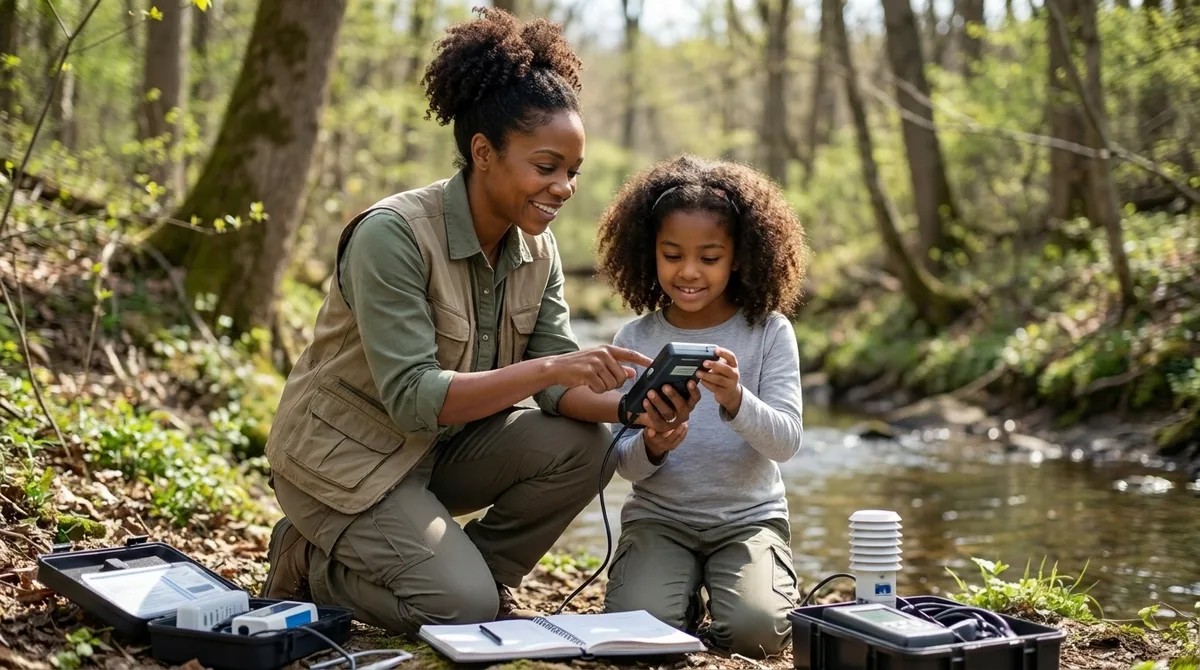
This episode walks you through the complete process of collecting and analyzing real environmental data using sensor kits — the same workflow that professional climate scientists, air quality engineers, and ecologists use every day. It's designed for kids ages 10 to 16 (with adult support where needed) and covers everything from choosing the right sensors based on your research question to deploying them in the field, calibrating them properly, collecting clean data, analyzing it, and sharing your findings with citizen science networks. Whether you're tracking air pollution near your school or monitoring water quality in a local creek, this is your step-by-step guide to doing real science, not just classroom experiments. Show Links Affiliate Disclosure: As an Amazon Associate I earn from qualifying purchases. Full article Adafruit BME680 Environmental Sensor Seeed Studio Grove Beginner Kit for Arduino Adafruit Feather M4 Express Related Articles LEGO STEM Education: Complete Guide to Building Technical Skills Through Brick-Based Learning STEM Toys for 10 Year Olds That Teach Real Skills: Skill-Building Guide How to Choose a Citizen Science Kit for Your Child's Skill Level Best 3D Printers for Kids and Teens: Complete Buyer's Guide for Educational STEM Learning Best Robotics Kits for Kids: Complete Guide to Building Real Engineering Skills
Embed this episode
No transcript yet.