
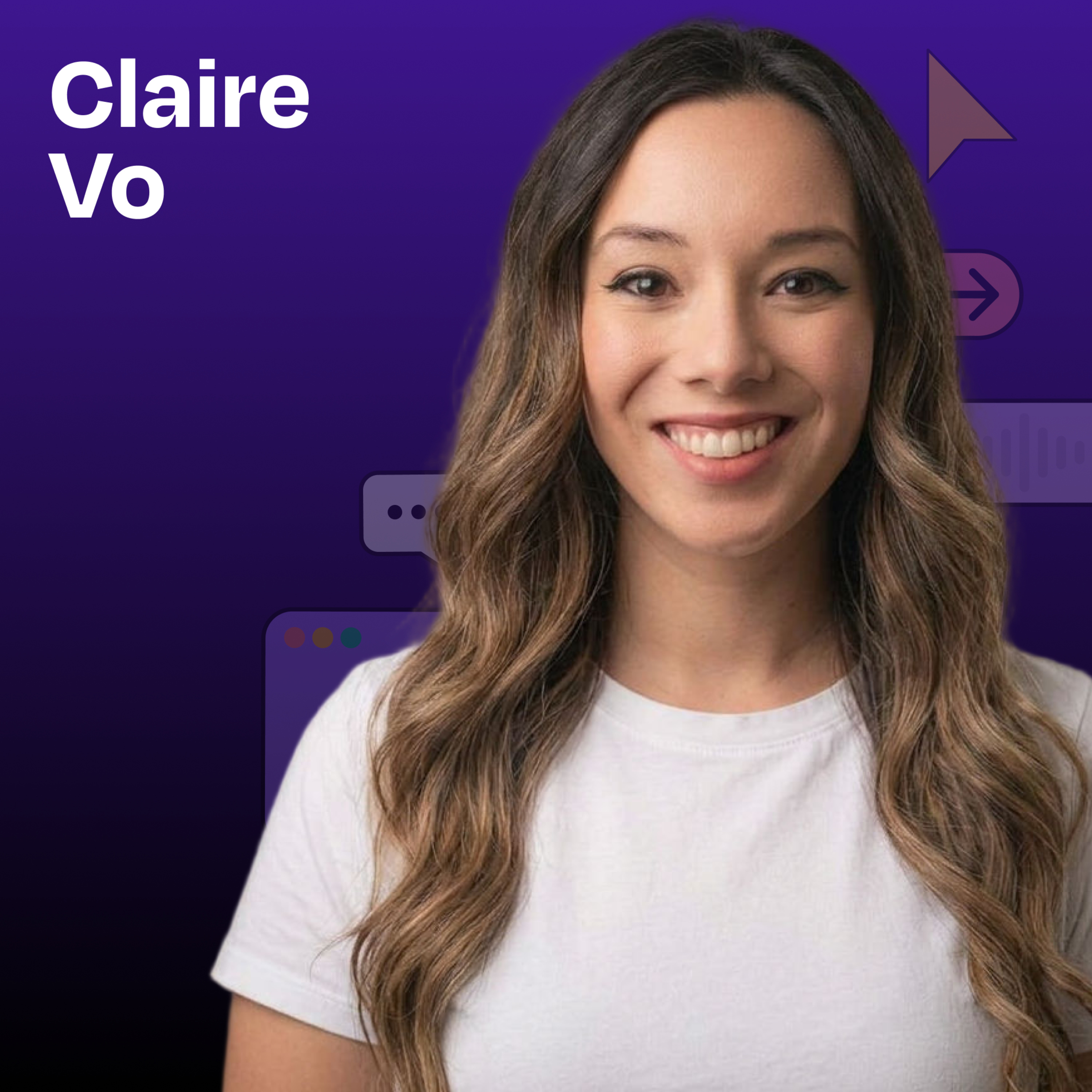
EPISODE · Jun 17, 2026 · 29 MIN
How to design AI agent loops: schedules, goals, and subagents in Claude Code and Codex
from How I AI · host Claire Vo
I break down every loop type from scratch—what a heartbeat, cron, hook, and goal loop actually are, when each one fits, and the five things any effective loop needs before it touches production. Then I build two live loops: a daily aging-PR reviewer in Claude Code that schedules itself at 10:15 a.m. and spins off its own subagents, and a weekly skills-identification loop in Codex that spawns goal-based subagents to validate its own output in real time.What you’ll learn:The plain-English definition of a loop—and why it’s just an automated prompt, not a scary new paradigmThe four loop types (heartbeat, cron, hook, and goal) and when each one actually fits your workflowHow to think about loop design using the “onboarding an employee” mental modelThe five things every effective loop needs: work trees, skills, plugins/connectors, subagents, and state trackingHow to build a scheduled PR-review routine in Claude Code that babysits aging PRs and alerts your teamHow to set up a weekly skills-identification automation in Codex that spawns its own validating subagentsWhy goal-based loops are the hardest to write well—and where most people burn tokens for nothingThe two warning signs that your loop is going to get expensive before it gets useful—Brought to you by:WorkOS—Make your app enterprise-ready todayRunway—The creative AI platform for images, video, and more—In this episode, we cover:(00:00) Prompts are out and loops are in(02:30) Defining a loop(03:03) The four ways to automate a prompt: heartbeat, cron, hooks, and goals(06:03) Five things every effective loop needs(09:26) The “onboarding an employee” framework for designing loops(11:58) Live build #1: Daily aging PR loop in Claude Code(17:08) Subagents inside loops(19:00) Live build #2: Weekly skills identification loop in Codex(22:57) Watching subagents spin up in real time(25:28) Warning signals around loops(27:31) What listeners are doing with loops—Tools referenced:• Claude Code: https://claude.ai/code• Codex: https://chatgpt.com/codex• OpenClaw: https://openclaw.ai/—Other references:• Claire’s article “Why OpenClaw Feels Alive Even Though It’s Not”: https://x.com/clairevo/article/2017741569521271175• Addy Osmani’s article on loop engineering: https://addyosmani.com/blog/loop-engineering/• Using Goals in Codex: https://developers.openai.com/cookbook/examples/codex/using_goals_in_codex—Where to find Claire Vo:ChatPRD: https://www.chatprd.ai/Website: https://clairevo.com/LinkedIn: https://www.linkedin.com/in/clairevo/X: https://x.com/clairevo—Production and marketing by https://penname.co/. For inquiries about sponsoring the podcast, email [email protected].
What this episode covers
I break down every loop type from scratch—what a heartbeat, cron, hook, and goal loop actually are, when each one fits, and the five things any effective loop needs before it touches production. Then I build two live loops: a daily aging-PR reviewer in Claude Code that schedules itself at 10:15 a.m. and spins off its own subagents, and a weekly skills-identification loop in Codex that spawns goal-based subagents to validate its own output in real time.What you’ll learn:The plain-English definition of a loop—and why it’s just an automated prompt, not a scary new paradigmThe four loop types (heartbeat, cron, hook, and goal) and when each one actually fits your workflowHow to think about loop design using the “onboarding an employee” mental modelThe five things every effective loop needs: work trees, skills, plugins/connectors, subagents, and state trackingHow to build a scheduled PR-review routine in Claude Code that babysits aging PRs and alerts your teamHow to set up a weekly skills-identification automation in Codex that spawns its own validating subagentsWhy goal-based loops are the hardest to write well—and where most people burn tokens for nothingThe two warning signs that your loop is going to get expensive before it gets useful—Brought to you by:WorkOS—Make your app enterprise-ready todayRunway—The creative AI platform for images, video, and more—In this episode, we cover:(00:00) Prompts are out and loops are in(02:30) Defining a loop(03:03) The four ways to automate a prompt: heartbeat, cron, hooks, and goals(06:03) Five things every effective loop needs(09:26) The “onboarding an employee” framework for designing loops(11:58) Live build #1: Daily aging PR loop in Claude Code(17:08) Subagents inside loops(19:00) Live build #2: Weekly skills identification loop in Codex(22:57) Watching subagents spin up in real time(25:28) Warning signals around loops(27:31) What listeners are doing with loops—Tools referenced:• Claude Code: https://claude.ai/code• Codex: https://chatgpt.com/codex• OpenClaw: https://openclaw.ai/—Other references:• Claire’s article “Why OpenClaw Feels Alive Even Though It’s Not”: https://x.com/clairevo/article/2017741569521271175• Addy Osmani’s article on loop engineering: https://addyosmani.com/blog/loop-engineering/• Using Goals in Codex: https://developers.openai.com/cookbook/examples/codex/using_goals_in_codex—Where to find Claire Vo:ChatPRD: https://www.chatprd.ai/Website: https://clairevo.com/LinkedIn: https://www.linkedin.com/in/clairevo/X: https://x.com/clairevo—Production and marketing by https://penname.co/. For inquiries about sponsoring the podcast, email [email protected].
NOW PLAYING
How to design AI agent loops: schedules, goals, and subagents in Claude Code and Codex
No transcript for this episode yet
Similar Episodes
Mar 31, 2026 ·54m
Mar 27, 2026 ·14m
Mar 24, 2026 ·42m
Mar 20, 2026 ·42m
Mar 17, 2026 ·41m
Mar 13, 2026 ·44m