
EPISODE · Sep 1, 2025 · 20 MIN
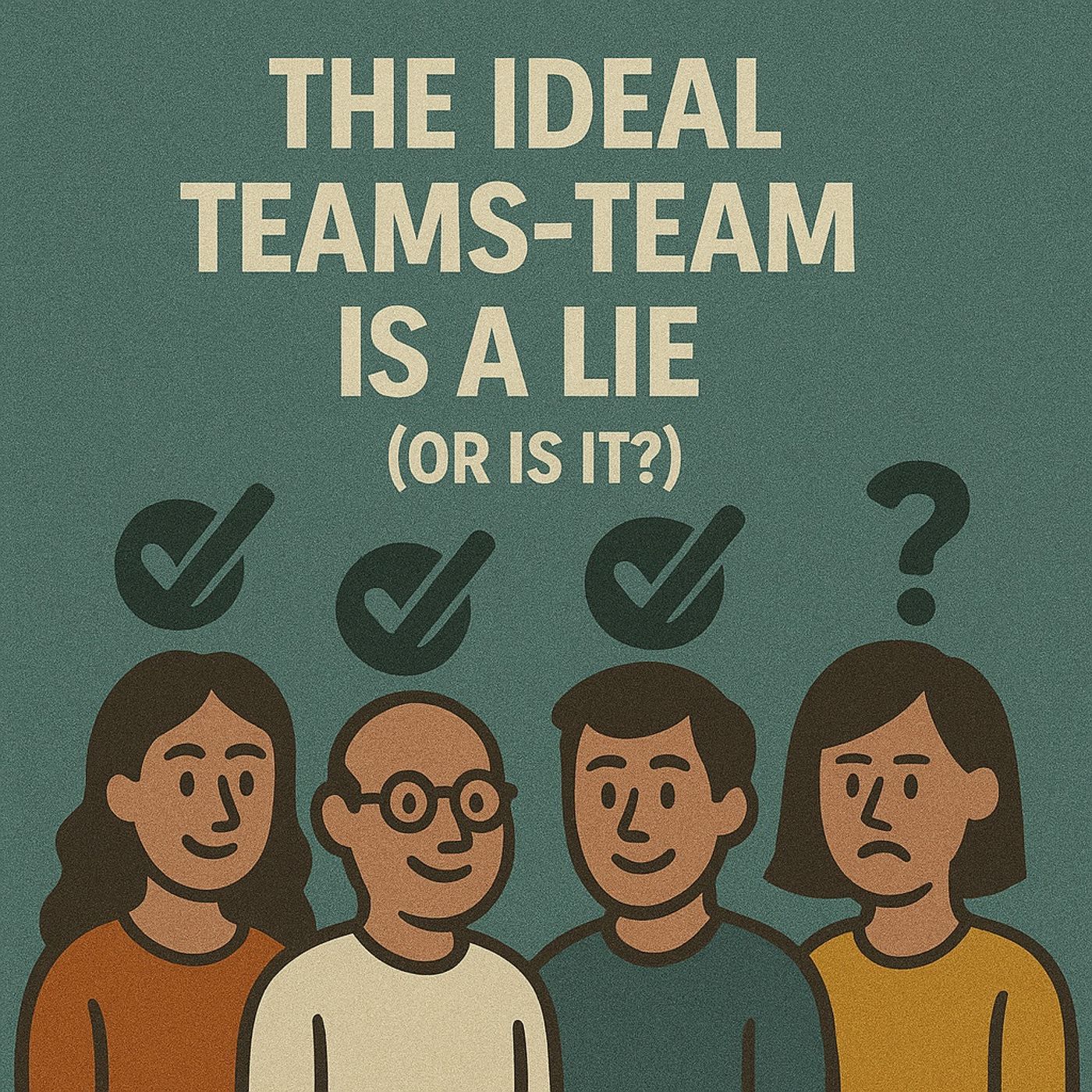
How to Design Microsoft Teams Channels That Actually Work for Real Collaboration
from M365.FM - Modern work, security, and productivity with Microsoft 365 · host Mirko Peters - Founder of m365.fm, m365.show and m365con.net
Ever opened Microsoft Teams and wondered why there are so many channels, half of them unused, and nobody is quite sure where anything belongs? You’re not alone—and it’s not a “user problem.” In this episode, we ask whether the idea of a perfectly structured Teams environment is a myth, or whether there really is a practical playbook that turns channel chaos into a focused digital workspace your team actually wants to use.We start with why Teams so often feels like digital noise instead of a collaboration hub. Rushed rollouts create a channel for every idea, project and department, then leave people to figure out the rest—resulting in duplicate spaces, abandoned channels and endless uncertainty about where to post. The outcome is predictable: important updates get buried, search returns three different versions of the “latest” document, and frustrated colleagues quietly drift back to email and chat because it feels simpler than navigating the maze.From there, we dig into the “too few vs. too many channels” problem through the lens of cognitive load. One overloaded general channel turns into a firehose nobody can follow; twenty hyper‑specific channels create so much fragmentation that nobody has the time or mental bandwidth to monitor them all. You’ll learn why the real goal isn’t hitting a magic number, but designing a small set of channels that map to real workflows—clear purposes, clear owners, and clear rules about what belongs where—so people can navigate by instinct instead of guesswork.Finally, we introduce the communication principles that keep a good structure from decaying over time. Defined naming conventions, simple posting rules, and lightweight ownership make it easy for new and existing team members to understand the “roadmap” of your Teams space at a glance. We walk through a practical starting pattern—how to design your core channels, document their purpose, and adjust based on feedback—so your Teams environment stops growing like an unplanned city and starts working like a well‑signposted, everyday workspace.WHAT YOU’LL LEARNWhy many Teams environments slide into chaos even with the best intentions.How too few or too many channels both destroy clarity and engagement.How to design channel structures around real workflows, not abstract topics.The simple communication and governance rules that keep Teams usable over time.THE CORE INSIGHTThe core insight of this episode is that there’s no “perfect” Teams layout—but there is a set of principles that make any structure understandable and sustainable. Once you stop chasing a mythical ideal and instead design a small, clearly defined set of channels supported by simple rules, your Teams space turns from a noisy hallway into a place where people actually find what they need and know where to contribute.WHO THIS EPISODE IS FORMicrosoft 365 and Teams admins trying to rescue sprawling, confusing workspaces.Team and project leads who want their Teams environment to support, not slow down, collaboration.Anyone who’s ever thought, “We use Teams—but nobody really knows how it’s supposed to be structured.”ABOUT THE AUTHOR / HOSTMirko Peters is a Microsoft 365 and digital workplace consultant and host of the M365.FM podcast, helping organizations turn messy Teams setups into clear, purpose‑driven collaboration spaces. He works with teams to design channel structures, naming conventions and governance that align with how work actually flows—so Microsoft Teams becomes the place where things get done, not just another noisy app people try to avoid.Become a supporter of this podcast: https://www.spreaker.com/podcast/m365-fm-modern-work-security-and-productivity-with-microsoft-365--6704921/support.
Embed this episode
NOW PLAYING
How to Design Microsoft Teams Channels That Actually Work for Real Collaboration
No transcript for this episode yet
Similar Episodes
Similar Podcasts
No similar podcasts found.