
EPISODE · Sep 11, 2025 · 31 MIN
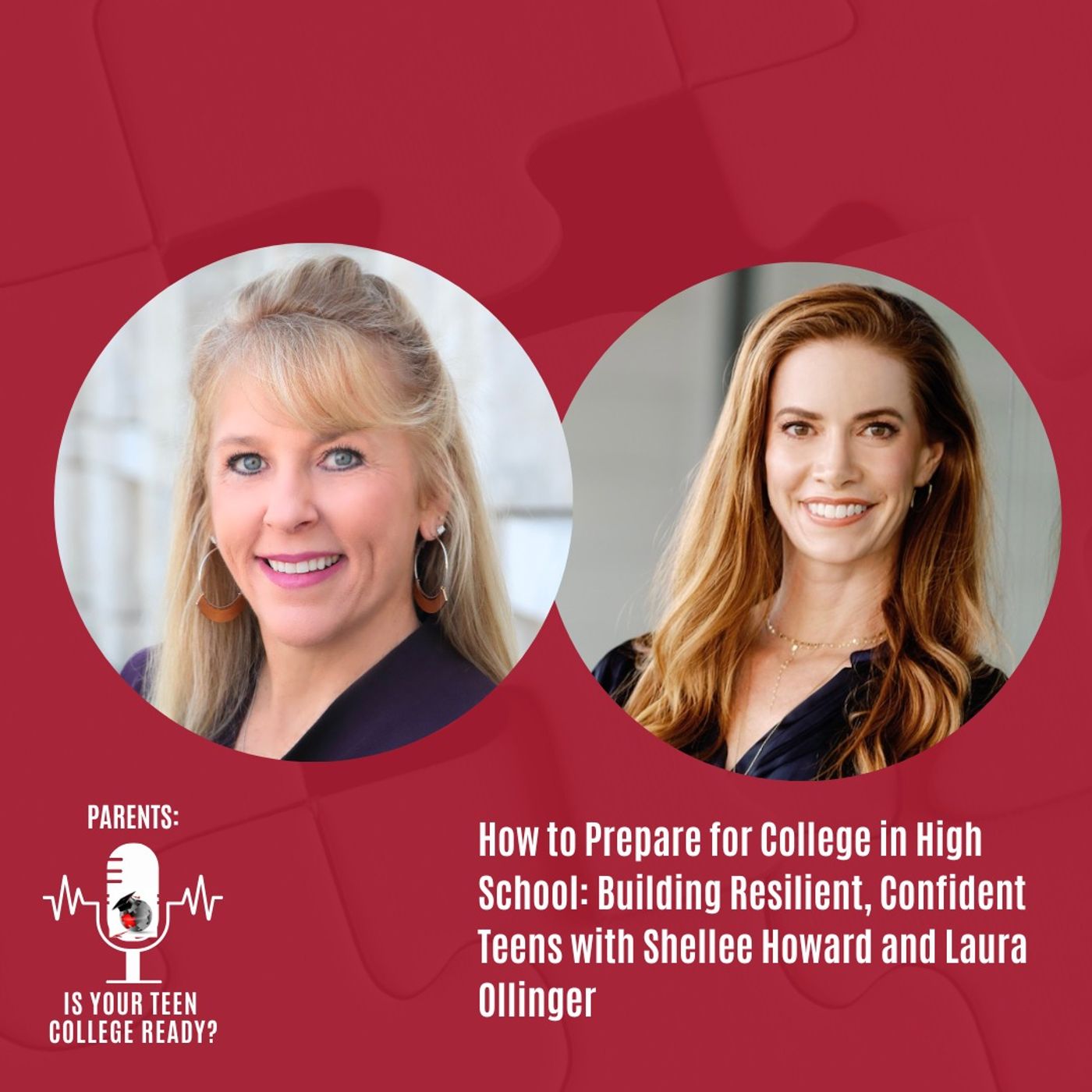
How to Prepare for College in High School: Building Resilient, Confident Teens
from Parents: Is Your Teen College Ready? · host Shellee Howard
In this insightful and candid conversation, Shellee Howard and Laura Ollinger delve into the complexities of supporting teenagers and parents through the challenges of adolescence, particularly as it relates to mental health, identity, communication, and preparing for college. Laura, a certified teen and parent well-being coach and mother of four teens, combines life coaching and health coaching to help families thrive by building resilience and tackling obstacles. Drawing on personal tragedy, professional training, and real-life experience, Laura emphasizes the importance of proactive coaching versus reactive therapy, fostering healthy parent-teen communication, guiding teens in self-discovery, and managing the impact of social media. The discussion also highlights the balance parents must strike between setting boundaries and nurturing independence, the value of allowing teens to fail safely to build confidence, and practical strategies for families to establish healthy technology habits. Laura provides actionable tools, such as character strength assessments and values identification, to help teens articulate their identity—a crucial step in the college application process. The conversation encourages parents to engage with their teens compassionately and proactively and offers hope and resources for navigating this pivotal stage successfully. Highlights Laura Ollinger blends life and health coaching to support teens and parents in building resilience and overcoming challenges.Coaching differs from therapy by being proactive and goal-oriented rather than reactive to crises.Effective parent-teen communication involves finding a balance between warmth and boundaries, ideally through an authoritative parenting style.Allowing teens to fail safely is essential for developing confidence, calmness, and resilience.Social media’s impact on teens can be managed through balanced, collaborative family agreements rather than strict bans.Tools like the VIA Character Strengths assessment help teens discover their core strengths and values, aiding self-identity and college essay development.Positive psychology and NLP techniques empower teens to leverage their strengths in pursuit of their goals. Key Insights The Proactive Power of Coaching Versus Therapy: Laura clarifies that therapy is often reactive, addressing significant mental health crises, while coaching is proactive, helping teens set and achieve goals before problems escalate. This distinction empowers families to seek help early, preventing more serious issues and fostering growth rather than just coping. Coaching’s focus on strengths and accountability helps teens develop self-management skills essential for college and adult life. Parenting Styles and Communication Dynamics: The discussion around parenting styles—helicopter, avoidant, authoritarian, and authoritative—illuminates how different approaches affect teen development. Laura advocates for the authoritative style, balancing high warmth with clear boundaries. This style fosters autonomy and resilience in teens, but requires parents to self-reflect on their inherited patterns and consciously choose how to support their children’s independence while maintaining connection. The Importance of Allowing Failure: Laura stresses that failure is not just inevitable but necessary for teens to build resilience and self-confidence. Parents’ natural instinct to protect can unintentionally hinder growth. Embracing “failing forward” teaches teens that setbacks are opportunities for learning and personal development, which directly correlates with their ability to handle college pressures and life’s uncertainties. Identity Formation as a Foundation for College Readiness: Helping teens articulate their identity beyond surface facts is critical for college admissions essays and self-understanding. Laura’s recommendation to use tools like the VIA Character Strengths assessment and values card sort helps teens uncover their core traits and motivations. This process assists teens in finding authentic passions and goals, reducing anxiety over choosing a college major prematurely and promoting confidence in their own path. Navigating Social Media with Nuance and Empathy: Social media is a double-edged sword, offering connection but also risks such as anxiety, low self-esteem, and distraction. Laura advises against extremes of outright bans or laissez-faire attitudes. Instead, she promotes family conversations that establish mutual understanding and compromise, acknowledging teens’ need for social interaction while monitoring harmful content. Integrating social media use into positive family activities models balanced technology habits. Using Strengths-Based, Positive Psychology Approaches: Laura’s coaching leverages positive psychology and NLP to focus on what is right with teens rather than what is wrong. This strengths-based approach enables teens to creatively engage with their challenges, tailoring solutions that resonate with their unique personalities. For example, a teen with a comedic strength might use humor as a motivational tool in academic preparation, making goal achievement more accessible and enjoyable. The Role of the Coach as a Neutral Facilitator in Family Dynamics: Laura’s role often includes acting as an impartial interpreter between parents and teens, helping both sides understand each other’s perspectives and break down communication barriers. This neutral space fosters healthier conversations about difficult topics like college choices and mental health. It also allows parents to recognize and adjust their own patterns, opening up space for teens to explore their identity and autonomy within family values. Expanded Analysis Laura Ollinger’s approach offers a comprehensive framework for parents navigating the often turbulent teen years. Her dual certification in life and health coaching uniquely positions her to address both psychological and physical well-being, underscoring the interconnectedness of mental health, lifestyle habits, and family dynamics. The personal story she shares about her nephew’s suicide and her daughter’s anxiety during COVID-19 underlines the urgency of her mission and adds a deeply empathetic dimension to her work. This transparency helps parents feel seen and understood, reducing stigma around seeking help.A particularly valuable part of the conversation is the differentiation between coaching and therapy. Many parents hesitate to seek mental health support due to stigma or misunderstanding. Laura’s explanation that coaching can be preventative and goal-focused reassures parents that support isn’t only for crisis situations but can be a resource for everyday growth. Her emphasis on helping teens develop self-accountability reinforces long-term success, encouraging parents to step back and allow teens to own their progress.The discussion on parenting styles provides a practical guide for self-reflection. Parents often unconsciously repeat patterns from their own upbringing, sometimes swinging to extremes in reaction. Laura’s description of the authoritative style as the ideal balance of warmth and structure is backed by research and resonates with many parents seeking practical advice. The challenge, as she notes, is that this style requires ongoing adjustment and emotional labor, especially when parents must watch their children struggle without intervening prematurely.Allowing teens to fail safely is another crucial insight. In a culture that increasingly emphasizes perfectionism and achievement, parents can unintentionally shield teens from necessary challenges, stunting emotional growth. Laura’s concept of “failing forward” aligns with resilience-building research, encouraging parents to reframe failure as a valued learning experience. This mindset helps teens build the confidence and calmness they seek, which are essential qualities for the transition to college and adulthood.Identity exploration is framed as the bedrock of college readiness. Rather than focusing solely on grades or extracurriculars, Laura highlights the importance of self-knowledge, which informs authentic college essays and meaningful career choices. The VIA Character Strengths tool and values card sort are practical, research-supported methods that parents can use at home to facilitate this process. This approach also alleviates pressure on teens to prematurely commit to a major, offering a more flexible and less anxiety-provoking path.The conversation around social media is timely and nuanced. Parents face a polarized discourse about technology use, often swinging between strict bans and permissiveness. Laura’s advocacy for a middle ground, rooted in family values and mutual respect, is a refreshing strategy. Encouraging teens to have input and engaging in joint activities that incorporate technology helps maintain connection, reduces rebellion, and fosters healthy habits. Her role as a consciously digital well-being coach adds credibility and relevance to her advice.Finally, Laura’s integration of positive psychology and NLP techniques as coaching tools demonstrates a modern, evidence-based approach that shifts the focus from pathology to potential. This empowers teens to actively participate in their growth, using their unique strengths to overcome obstacles creatively. It also helps parents see their children’s capabilities rather than just their struggles.Overall, this conversation is a rich resource for parents wanting to better understand and support their teenagers through the often overwhelming journey of adolescence and college preparation. It offers hope, practical tools, and a compassionate perspective that respects both teen autonomy and family values. Conclusion Shellee Howard’s interview with Laura Ollinger provides an invaluable, multi-dimensional perspective on teen and parent well-being, emphasizing resilience, communication, identity, and balanced technology use. Laura’s blend of personal experience and professional expertise offers parents practical strategies to support their teens proactively, fostering growth rather than merely managing crises. Through coaching grounded in positive psychology and empathetic facilitation, families can navigate the challenges of adolescence with greater confidence and connection—ultimately helping teens become ready not just for college, but for life. For parents seeking guidance, Laura’s website positivelyhealthycoaching.com offers free consultations and access to her coaching resources, providing a meaningful next step toward cultivating a thriving family dynamic. Connect with Shellee Howard: WebsiteYouTubeInstagram LinkedIn Connect with Laura Ollinger: WebsiteFacebookInstagramLinkedInYouTube 🎁 Episode Gift & Contact 🎓 College Planning Support for ParentsWant help organizing next steps and avoiding costly college mistakes? 📘 Workbook Gift:https://go.collegereadyplan.com/podcast-gift-workbook 🤝 Interested in Collaborating with College Ready?Email or call [email protected] (949)235-7350
Embed this episode
NOW PLAYING
How to Prepare for College in High School: Building Resilient, Confident Teens
No transcript for this episode yet
Similar Episodes
No similar episodes found.
Similar Podcasts
No similar podcasts found.