
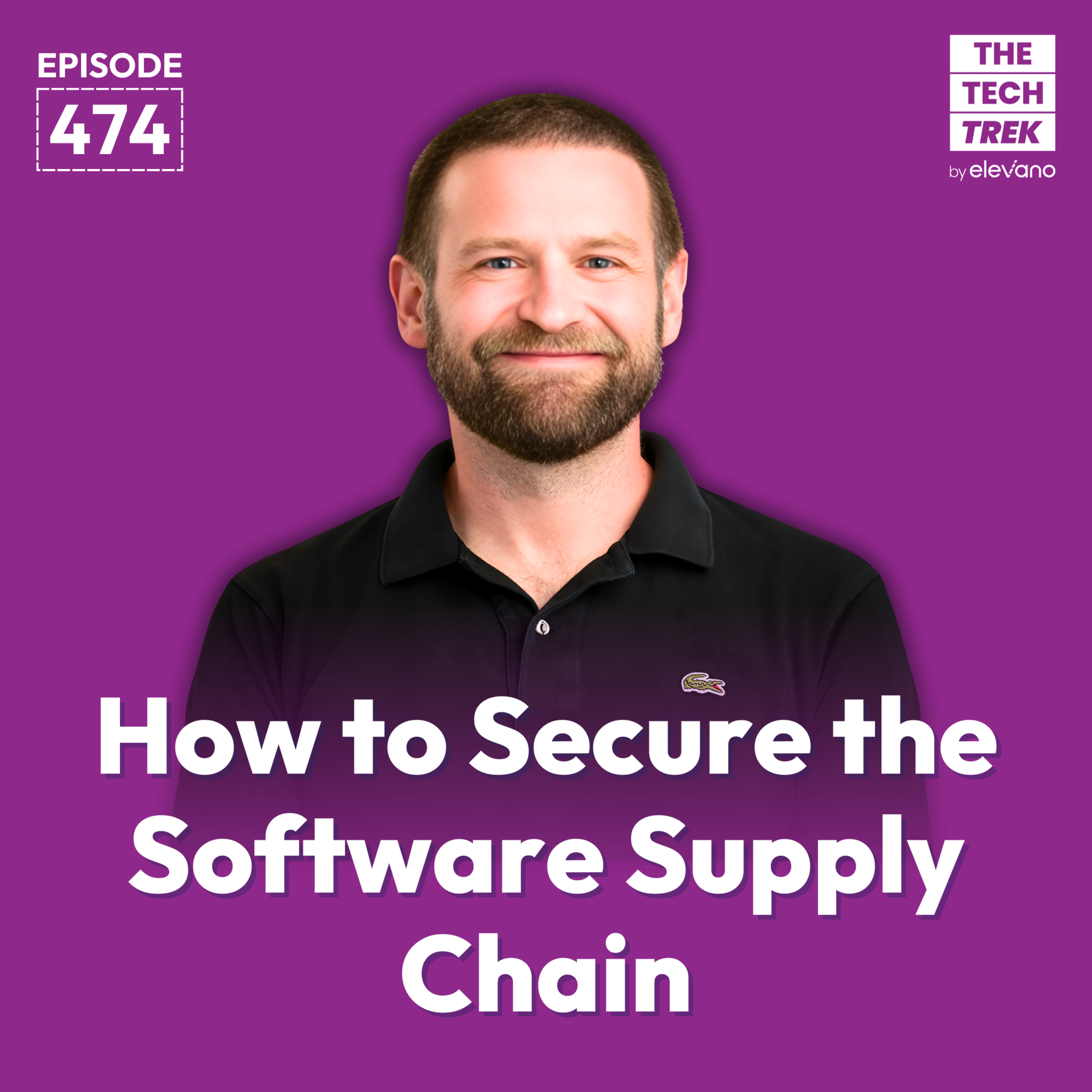
EPISODE · Jun 17, 2025 · 36 MIN
How to Secure the Software Supply Chain
from The Tech Trek · host Elevano
In this episode of The Tech Trek, Amir sits down with Matt Moore, CTO and co-founder of Chainguard, to explore the escalating importance of software supply chain security. From Chainguard’s origin story at Google to the systemic risks enterprises face when consuming open source, Matt shares the lessons, best practices, and technical innovations that help make open source software safer and more reliable. The conversation also touches on AI’s impact on the attack surface, mitigating threats with engineering rigor, and why avoiding long-lived credentials could be your best defense. 🔑 Key Takeaways: Security Starts with Engineering: Doing engineering right makes security (and even compliance) much easier. Control the Full Chain: Building from source and applying best practices at every build stage significantly reduces exposure to CVEs. Attackers Exploit the Edges: Most attacks start small—with a leaked credential or compromised dependency—and cascade through the ecosystem. AI Introduces New Vectors: As AI tools integrate deeper into dev workflows, they bring both value and new risks that require thoughtful containment. You Can’t Leak What You Don’t Have: Eliminating long-lived credentials is one of the simplest and most effective ways to reduce breach risk. ⏱ Timestamped Highlights: 00:45 – What Chainguard does: securing open source consumption and curating safe containers. 02:56 – Chainguard’s origin story and co-founders’ experience at Google. 06:50 – Building minimal, hardened container images from source to mitigate CVEs. 09:40 – Real-world example: how compiler hardening flags protected Chainguard from a high-severity CVE. 10:59 – The invisible sprawl of open source in enterprise stacks—from Kubernetes to AWS SDKs. 15:45 – How leaked credentials power cascading supply chain attacks. 22:30 – “You can't leak what you don't have”: Chainguard's credential-less auth approach. 24:30 – Most breaches come from known vulnerabilities—not zero-days. 25:38 – AI and security: new use cases, new threats, and the need for explainability. 30:41 – AI adoption in enterprises: security best practices still apply, just to new tools and risks. 34:43 – Learn more at chainguard.dev and explore hardened images at images.chainguard.dev. 💼 Career Tips (from the episode): Don’t wait for zero-days: Most real-world breaches stem from unpatched, well-known vulnerabilities. Ship secure, stay patched. Build from source: If you're in a security or DevOps role, aim to build and control your stack from the source code up—this provides auditability and trust. Engineering rigor is a differentiator: Whether you're launching a startup or working in enterprise tech, applying fundamental engineering principles helps you scale securely. 📚 Resources Mentioned: 🛡️ OpenSSF Projects – e.g., SIGstore, Scorecards, SLSA. 🛠 Projects Mentioned: Kubernetes, Istio, Flux, Tekton, Cert-Manager, Cloud Code. 💬 Quote of the Episode: “If you do engineering right, security becomes easier. And if you do security right, compliance becomes easier.” — Matt Moore
Embed this episode
Ready to play
How to Secure the Software Supply Chain
No transcript for this episode yet
Similar Episodes
No similar episodes found.
Similar Podcasts
No similar podcasts found.