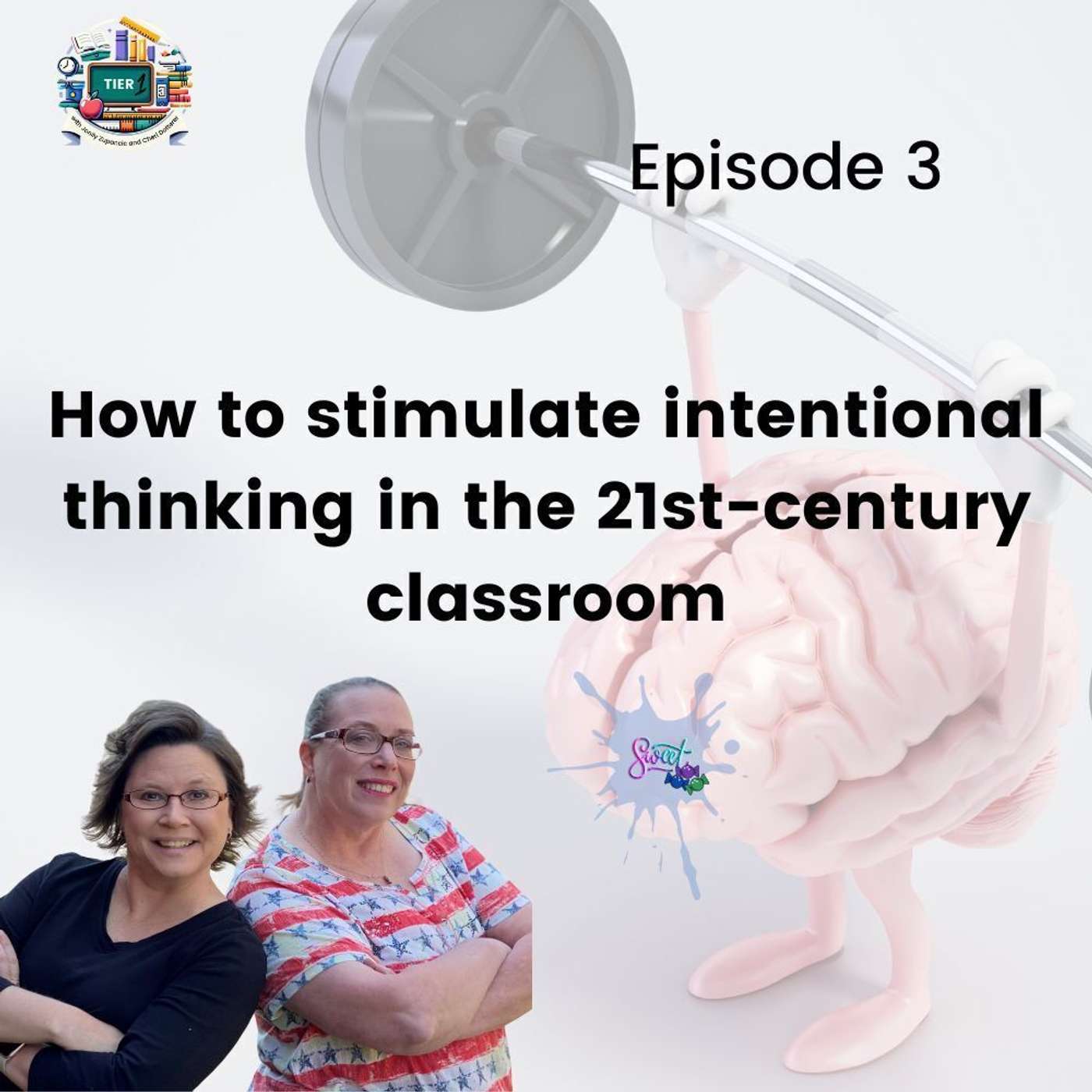
How to stimulate intentional thinking in the 21-century classroom: T1I E3 episode artwork

EPISODE · Mar 5, 2024 · 22 MIN

How to stimulate intentional thinking in the 21-century classroom: T1I E3

from Tier 1 Interventions · host Jonily Zupancic and Cheri Dotterer

Welcome to our latest episode of the "Tier One Interventions" podcast, where we delve into the critical role of foundational classroom strategies in maximizing learning for all students. This episode, hosted by Jonily Zupancic and Cheri Dotterer, explores the nuances of cognitive demand and load and how understanding these concepts can revolutionize classroom engagement and effectiveness.The Core of Tier One Interventions:Tier One interventions are the bedrock of a robust educational framework, focusing on the general classroom environment where all students, regardless of their abilities or disabilities, receive instruction. The strength of Tier One is crucial as it sets the foundation for higher-tier interventions and ensures that every student's needs are met within an inclusive setting. Teachers can create a conducive learning atmosphere that fosters deep understanding and retention by employing instructional strategies that cater to the student's body, brain, and emotions.Cognitive Load vs. Cognitive Demand:A pivotal distinction discussed in this episode is between cognitive load and cognitive demand. Cognitive load refers to the overwhelming influx of information that can lead to disconnection and frustration, often manifesting in negative student behaviors. In contrast, cognitive demand represents the "sweet spot" of learning, where students are engaged, focused, and motivated. Achieving this balance requires skillful facilitation incorporating visual, multisensory, and conceptual approaches, ensuring the content is accessible and stimulating for all learners.The Flow Cycle:Cheri Dotterer introduces the concept of the flow cycle, a four-step process that includes struggle, release, flow, and recovery. This cycle is essential for productive learning, as it allows for integrating new information with existing knowledge, leading to deeper comprehension and creativity. Authentic learning and engagement occur in the flow state, where cognitive demand is optimized. Teachers can facilitate this state by providing physical exercise, hydration, and social interaction opportunities, all of which contribute to the brain's readiness to absorb and process new information.Practical Strategies for Teachers:The episode offers practical strategies for teachers to implement to promote productive struggle and cognitive demand in their classrooms. Questions like "What do you see?" "What do you notice?" and prompts like "Tell me about..." encourage students to share their perspectives, differentiating instruction naturally. These techniques engage students and signal that their thoughts and contributions are valued, fostering a sense of belonging and motivation.The Importance of Research-Based Strategies:Jonily Zupancic emphasizes the importance of grounding instructional strategies in research. The podcast references influential works and experts in the field, such as "Make It Stick" and Steven Kotler, to underscore the scientific basis of their teaching approaches. These strategies are supported by cognitive science and proven to enhance learning outcomes by creating an environment where students can thrive intellectually and emotionally.In conclusion, this "Tier One Interventions" episode sheds light on the transformative power of understanding and implementing effective instructional strategies. Educators can create a dynamic and inclusive learning environment where students can achieve their full potential by focusing on cognitive demand, embracing the flow cycle, and employing research-based techniques.

Welcome to our latest episode of the "Tier One Interventions" podcast, where we delve into the critical role of foundational classroom strategies in maximizing learning for all students. This episode, hosted by Jonily Zupancic and Cheri Dotterer, explores the nuances of cognitive demand and load and how understanding these concepts can revolutionize classroom engagement and effectiveness.The Core of Tier One Interventions:Tier One interventions are the bedrock of a robust educational framework, focusing on the general classroom environment where all students, regardless of their abilities or disabilities, receive instruction. The strength of Tier One is crucial as it sets the foundation for higher-tier interventions and ensures that every student's needs are met within an inclusive setting. Teachers can create a conducive learning atmosphere that fosters deep understanding and retention by employing instructional strategies that cater to the student's body, brain, and emotions.Cognitive Load vs. Cognitive Demand:A pivotal distinction discussed in this episode is between cognitive load and cognitive demand. Cognitive load refers to the overwhelming influx of information that can lead to disconnection and frustration, often manifesting in negative student behaviors. In contrast, cognitive demand represents the "sweet spot" of learning, where students are engaged, focused, and motivated. Achieving this balance requires skillful facilitation incorporating visual, multisensory, and conceptual approaches, ensuring the content is accessible and stimulating for all learners.The Flow Cycle:Cheri Dotterer introduces the concept of the flow cycle, a four-step process that includes struggle, release, flow, and recovery. This cycle is essential for productive learning, as it allows for integrating new information with existing knowledge, leading to deeper comprehension and creativity. Authentic learning and engagement occur in the flow state, where cognitive demand is optimized. Teachers can facilitate this state by providing physical exercise, hydration, and social interaction opportunities, all of which contribute to the brain's readiness to absorb and process new information.Practical Strategies for Teachers:The episode offers practical strategies for teachers to implement to promote productive struggle and cognitive demand in their classrooms. Questions like "What do you see?" "What do you notice?" and prompts like "Tell me about..." encourage students to share their perspectives, differentiating instruction naturally. These techniques engage students and signal that their thoughts and contributions are valued, fostering a sense of belonging and motivation.The Importance of Research-Based Strategies:Jonily Zupancic emphasizes the importance of grounding instructional strategies in research. The podcast references influential works and experts in the field, such as "Make It Stick" and Steven Kotler, to underscore the scientific basis of their teaching approaches. These strategies are supported by cognitive science and proven to enhance learning outcomes by creating an environment where students can thrive intellectually and emotionally.In conclusion, this "Tier One Interventions" episode sheds light on the transformative power of understanding and implementing effective instructional strategies. Educators can create a dynamic and inclusive learning environment where students can achieve their full potential by focusing on cognitive demand, embracing the flow cycle, and employing research-based techniques.

NOW PLAYING

How to stimulate intentional thinking in the 21-century classroom: T1I E3

0:00 22:53

No transcript for this episode yet

We transcribe on demand. Request one and we'll notify you when it's ready — usually under 10 minutes.

The 48 Laws of Power by Robert Greene (Full Audiobook) Robert Greene Amoral, cunning, ruthless, and instructive, this multi-million-copy New York Times bestseller is the definitive manual for anyone interested in gaining, observing, or defending against ultimate control – from the author of The Laws of Human Nature.In the book that People magazine proclaimed “beguiling” and “fascinating,” Robert Greene and Joost Elffers have distilled three thousand years of the history of power into 48 essential laws by drawing from the philosophies of Machiavelli, Sun Tzu, and Carl Von Clausewitz and also from the lives of figures ranging from Henry Kissinger to P.T. Barnum.Some laws teach the need for prudence (“Law 1: Never Outshine the Master”), others teach the value of confidence (“Law 28: Enter Action with Boldness”), and many recommend absolute self-preservation (“Law 15: Crush Your Enemy Totally”). Every law, though, has one thing in common: an interest in t Welcome to the BeauMovation Podcast. Noluthando Tshabalala Season 1: The Power Of Identity with 11 dynamic guests. Temps de Dol Temps de Dol Soy 1 de 4. Lo he sido dos veces. Aquí te traigo mi tiempo de duelo para que, si también estás transitando un proceso de duelo gestacional sepas que no estás sola. Hablemos. Escuchemos. Visibilicemos. Y, sobretodo, acompañemos. KoperCrabb Podcast Navene Koperweis & Chaney Crabb The #1 place for underground musicians to hang out, KoperCrabb Podcast is a weekly podcast hosted by drummer Navene Koperweis and vocalist Chaney Crabb of the band Entheos.

Frequently Asked Questions

How long is this episode of Tier 1 Interventions?

This episode is 22 minutes long.

When was this Tier 1 Interventions episode published?

This episode was published on March 5, 2024.

What is this episode about?

Welcome to our latest episode of the "Tier One Interventions" podcast, where we delve into the critical role of foundational classroom strategies in maximizing learning for all students. This episode, hosted by Jonily Zupancic and Cheri Dotterer,...

Is there a transcript available for this episode?

Yes, a full transcript is available for this episode. You can read the complete transcript on the episode page.

Can I download this Tier 1 Interventions episode?

Yes, you can download this episode by clicking the download button on the episode player, or subscribe to the podcast in your preferred podcast app for automatic downloads.
URL copied to clipboard!