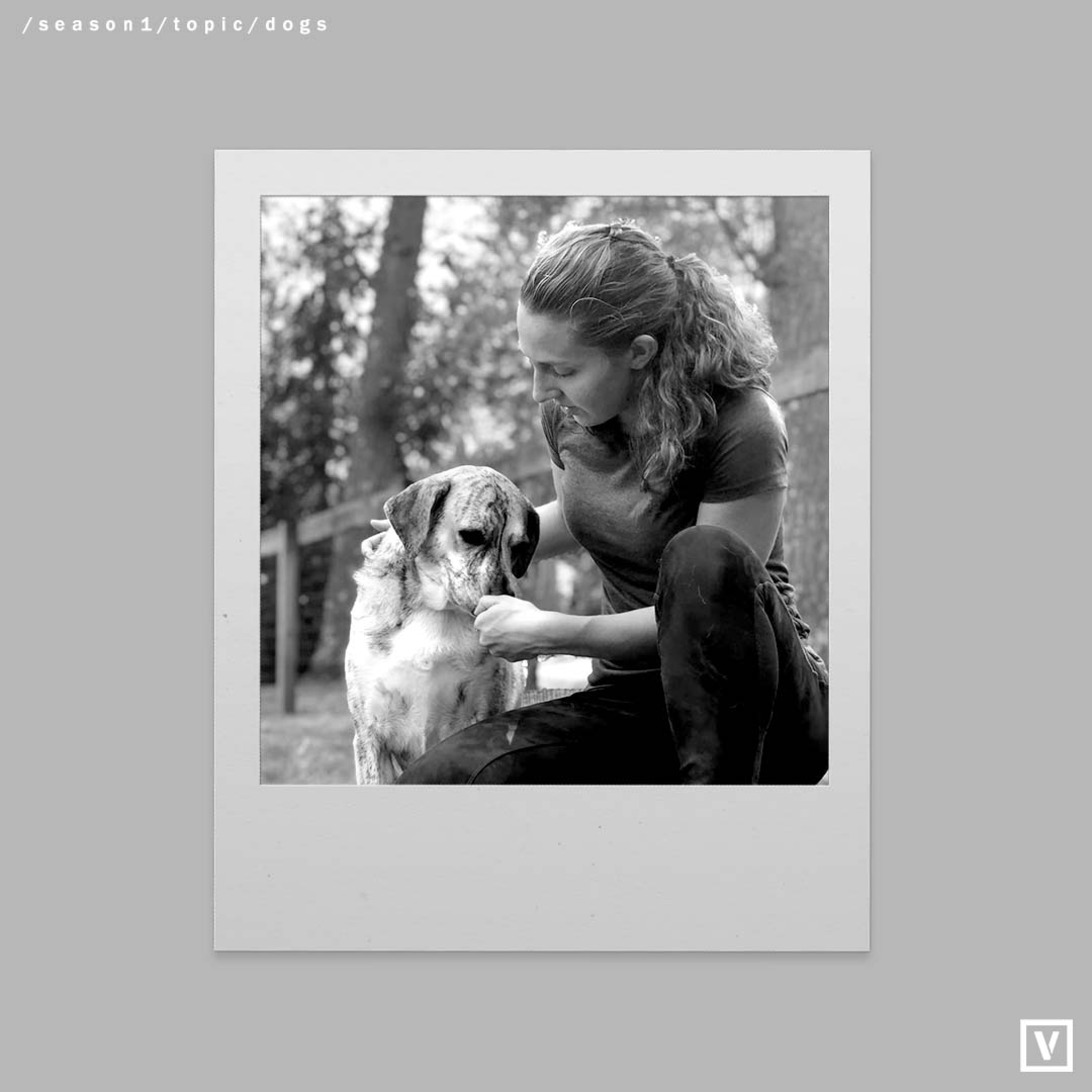
You're now listening to vices and vultures, a podcast on cultures. What's going on everybody? This is A2 and on Fridays we'll feature regular guests who will share the cultures that they're passionate about. Anna Rose is back so I'll let her introduce the next topic.
Hey everyone. In this episode we're playing back a conversation about three rules that I live by when working with dogs. Every time I talk to a new client we always discuss what their goals are for their dog. And what I hear a lot is like, oh my dog isn't trained or I need my dog trained and everyone's what I'm finding is everyone's definition of trained is different.
There hasn't been a way to standardize it. No, which is true of dog training overall but it's just like I almost haven't found two people that say a trained dog with the same definition. It's crazy. It's like you know I know that it's not a regulated industry.
There's not one way to train dogs or one definition of what is trained but it's literally that everyone has a different idea of what trained is and what it means. Does that bother or excite you? I don't know. I kind of neither I guess.
I guess it does excite me but it's kind of, it just means that I have to make sure that I'm on the same page as my clients very clearly. Like a lot of clarity on exactly what their expectations are and just be very clear as to like if I can meet them, how I will meet them and what they'll look like and timeframe to some degree and like what their dog is capable of and all that kind of stuff. I'm feeling like you might clarify a lot with the client. So much clarification for sure.
Which is just super important. I mean you know I'll talk to one client who says like my dog's not trained and what they mean is like he's jumping on them and you know doesn't know how to sit but maybe will you know come back when called sometimes and then you talk to the next person and it's just like the fact that they're not trained just means that they don't know what the word means and they just don't listen to know and they don't listen. It was just what someone kept telling me is like I don't listen and I was like okay well can you just like explain what you mean by that a little bit more like and they're really just saying like when I say no doesn't stop what he's doing. So it's like is that all you're telling him?
Right yeah and so then I have to have to dig a little bit about like why you know does a dog really not understand what no means is it not have a connection to like a correction with no like they have to don't just innately know what no means or anything. So it's command plus correction. Yeah. Almost all the time with dogs in situations like that.
Yeah. They just need they need a association with a word or sound for it to happen. Right. So for all the talk about what other people have to say about it like what do you think it is or like what do you as a professional go on the record is saying it should be as far as I think it means what I'm curious as to what you think a definition of a trained dog would be.
I haven't thought about it before to be honest but I think what a trained dog should should when I walk up and approach a dog my my expectation is that the dog listens to its owner like whoever it is whether they the dog is breeding at the door when I'm walking to somebody's house or the dog is walking up to me on the street and the owner has it by the leash. You know what I'm saying like in that moment in those three seconds like I understand like is this dog trained in that. So it's pretty much like if the dog jumps on you and then the person is the dog obedient because the dog it can't help itself. It's one of the smell you you know what I'm saying like I get that it's one of the bar because like you know who is this dude.
So pretty much if the person asks the dog to do something the dog complies. Yeah. You should see some degree of compliance you know what I'm saying and like you can tell when the dog is like ignoring like because it just hasn't been conditioned to do that. So my definition of a trained dog just like goes along with what each client or each owner is their expectations.
Right. I don't have I used to when I was like very early on when I first became a trainer like before I went to school I was like when I was first learning to I thought that there should be like a standard like whether it's you don't get on furniture you don't jump you know how to sit you know how to down you know how to whatever like there's like a group of things that a dog should know and to somewhere I still feel that way but it's like if a person wants their dog all over the couch I don't care like if you don't care I don't care it's kind of like what it is but people have to understand very clearly that like they have to be consistent about that it's not like okay you're allowed on the couch sometimes but not other times you know it's like you have to it has to be always or never so it's kind of whatever the owner whatever their goals are for their dog whatever makes them kind of comfortable and happy to live with their dog is like is my goal but it's you know within that as well I also have to take into consideration what the dog needs and a lot of dogs need more than what people want from them. So yeah so it's like if they I just want them to if the owner is just saying like I just want them to you know not jump on people and to listen when I say no well I have to teach the dog probably four or five things to reach that goal. Right.
Depending on the dog's disposition temperament that kind of stuff you know if the dog is very anxious then they're gonna need more structure so that they feel more secure and that's even though the owner may not feel like they need as much training or as much structure for their dog their dog needs it. So I'm gonna base it off of what the owner's goals are what the dog needs and then also a lot of people really don't know what dogs are capable of and then so I demo one of my dogs for them and they're like I want that you know like I want the off-leashial beadance now I want this I want that you know that they didn't really know was possible they're like a lot of people are like oh my dog's not capable of off-leashial beadance or right off is not capable of this or that and it's like honestly yes they are but it's just it's gonna take longer whatever but it's it's most dogs are way more capable of a lot more than what the situations they find themselves in. Yeah exactly. I think because like at the end of the day like you know it is case by case I understand like why that would be but at the same time it's like you are providing enlightenment and you're providing enlightenment for the dog you're training enlightenment for the clients you're providing enlightenment for yourself because you're understanding how both of those things work together so at the end of the day I think enlightenment is a huge step in resurrection because as you said when you demo your dogs people are like oh snap like now I understand and like a lot of people otherwise want to have that education.
Right one of my biggest goals is educating. Yeah exactly that's all it is that's all it is I think that's why like you know as an educator like I enjoy our conversations because there's a lot of parallels and like once you understand that it becomes easy to just you know empathize with people and empathize with situations and be able to like get stuff done so like in your case training dogs and so let's talk about more about the command and correction because as we've been saying for like oh wow now like dogs don't know English. Right. I want to like go into that more.
Yeah like we're saying the beginning it's like for a dog that that doesn't understand what no means chances are they haven't been conditioned to understand what no means so right so pretty much probably that what happened was the puppy came home and when it started to do something it wasn't supposed to do the owner just like said no or yell no or whatever like just almost just thinking that the puppy would understand what no means just because it's the word no. Right. We actually have to pair any word that we're going to teach a dog with something so if it's the word no then it needs to be paired with the correction that the dog sees as motivating to stop the behavior which is different for every dog. So right from the start like and something physically correcting usually like a pop on a collar or something like which is something we can talk more about corrections than another episode but primarily just something that that dog sees as motivating to stop the behavior.
I call those marker words no and good so when the dog chooses a behavior that you don't want them to do saying no marking the moment they make a decision with the word no and then following up with the correction right away and then eventually because you consistently said no and then follow up with the correction you don't need the correction anymore because they associate the word no with the correction. The same goes for good when they do the right thing saying good following up with the reward you eventually can space rewards out more and then don't necessarily even need rewards because they have a positive association with the word good. Even commands that's like you're teaching a dog sit there associating sit that word with putting about the ground. You can literally use any word you want to teach them anything because it's just a sound association so that's kind of it's just like a common misconception that like and it sounds silly to say dogs don't know English because it's like obviously but I don't think society out that way.
Yeah. I do think the dogs are like yeah. You know what dogs understand our full sentence is that kind of how like we know that Santa doesn't exist but like he appears in culture so much as if he does. Yeah but like we know that's not a real thing.
You know it's not a real thing. Yeah and I mean like the full sentence is another thing it's like dogs are just so much more in tune to us and to our body language our like actual energy and because that's the only way they can meet. Yeah exactly they they they're just oh and because they're what's their lives are kind of centered around us so they're always paying attention to what we're doing what we're feeling what we're you know just and I think with a pack of each other as well is where their pack will become to them. Yeah.
So even in like media such as like superhero stuff and if somebody's losing somebody doesn't have a sense like their devil doesn't have sight or you know somebody doesn't have like hearing or whatever like everything else kind of becomes more amplified so I think in that sense like dogs really just as you say like they really feed off of my language so I was teaching a lesson on Sunday and I was going up the stairs and the person that lived downstairs was like um I think it was like an apartment and first look downstairs they had their door open and it was like a small little white dog came out and so like I could tell like you should not smell me like and I could tell like immediately that this dog wasn't going to be loud anyways because you know if I think he barked once but like by the time I walk close to it I was just like you know he would have kept barking might not like I think this dog was actually kind of chill but I also had to like keep calm because I was like kind of tense and I was like if I if I show like I panic like in any way like a dog is gonna panic too and that's like my mindset going into it because they're gonna read off like what energy that you're going it's like you're panicking I should panic too obviously yeah so like whenever you bring like kind of in our over like I don't really know them that well like they haven't seen me last but like they smell like I don't really know this guy whatever it's like and me too I'm just like I've been seeing these dogs enough to know like once I feel like if I see them in nothing like okay I know this is right right right because there's more like that yeah I think no definitely they um they definitely like well they remember people too but they they they're way they're way more into with body language and energy than we like will then most people know and they're you know a lot of people will say that like they're done randomly started to act reactive or aggressive or just like randomly started this behavior um generally dogs don't randomly do anything there's usually some kind of warning or process or this has been like building in them in some way for a while but we just don't notice or even like they made a decision based off of what they were feeling or off of like something that triggered it from something in the past and like there's really like not random it's just like we missed something like we miss we didn't observe something we didn't catch something we didn't really like know them well enough to really recognize the slight changes or whatever right definitely definitely I just think it's super important for people to really like know their dogs really well too um and and learn to some degree how to read their body language and read kind of how their dog communicates right and when they're feeling uncomfortable in how to respond you know teaching and then teach their dog how to respond rather than react and like all that kind of stuff and and again going back to like corrections needing to be physical I mean dogs communicate physically with each other like you watch a bunch of dogs playing or anything they're like they're they're communicating like they're not just playing um it seems like all fun and games just observing because and it is like they're they're having good time but if you know about dog body language you see like this one this dog is putting its paw on this other dog's back where there's some dominance there you know this dog is is approaching the other dog from the side and that's you know they're just greeting each other calmly and respectfully this this puppy is dropping all over this older dog's face and the older dog snaps at the puppy well it's just correcting the puppy for being obnoxious like it's not you know so um or can we talk about remembering that video essentially oh yeah yeah with the mom and the pups and they were like mobbed her when like she came in and what did she say like the video said something like Ty Watts like experienced mom like yeah you think like she had like more kids than like more pubs than like all those are I think she probably had past letters without that. Gosh yeah yeah yeah yeah yeah yeah yeah yeah um and just like well yeah because she walked in she walked in she walked in calmly yeah yeah she just jumped over them and they were going there like all over her and they were older like they were probably almost eight weeks or so like which you know they're starting to wede off of you know milk and everything so she was teaching them like you don't just bombard me for food right you don't just like you know climb all over each other and be rude like she just she was yelling at them just correcting them yeah um and then they were like all scattered and you could see even like they were like what 10 puppies or something yeah there's none of them like all surrounding her yeah so they all just like rushed at her and then she like gave one correction um which was like vocal and physical for some yeah she had to like step in their face and like yeah exactly that's huge too like yeah moving towards a dog and like getting their space and like blocking like blocking all those doors up here like that's all body language too and physical communication and that's when they started to realize yeah there's like you were marking a mention before and some of them like walked away and laid down and stayed there and other ones were like I'm gonna try this again yeah yeah yeah yeah yeah yeah yeah yeah yeah yeah yeah yeah that's the correct them again so they're different like yeah you know temperance and everything within the the later yeah yeah yeah there were a lot of like personality showing and there's just there was so much to watch I was like I have to keep running it back because that you follow different like you learn so much from watching dogs with each other yeah for sure because usually they you know they communicate with each other because they understand how to communicate with each other and it's important for puppies and dogs to socialize with each other when they're younger right you know dogs that are for puppies to socialize with dogs that are well socialized because a lot of dogs are not well socialized don't want puppies are not well socialized so yeah I was gonna get into that I was like what you know obviously you know dogs communicate with each other for the better but also there are times where they don't yeah like so this tiny puppy jumping on the other one being obnoxious yeah poor communication especially if the other ones jump back necessarily learn exactly but that's when you see a dog doing that and like jumping like being acting like a puppy basically around other dogs it's usually like they'd really didn't learn as a puppy how to communicate respectfully because they just they didn't socialize or another dog didn't correct them for it or you know they're packed and didn't teach them how to like be gently you know and it's just like it's not necessarily and depending on the dog like it doesn't create issues but I've seen like when an older dog is acting but too much like a puppy and too crazy then you have like another older dog that hasn't socialized with many dogs and it's like what the heck are you doing like why are you so and then this older dog like over-corrects the other dog right because it's just like crazy or actually like physically hurts the other dog because it's like they neither of them really learned how to communicate with each other properly so it's on us just I'm agreed to you know well it's on us if you own a dog it's on you even like socialize them and teach them how to interact and how to respond in situations and how to right or and you don't have to do that on your own like find a trainer to help you obviously but right definitely so yeah talk about training a little bit more because you spoke earlier and you've spoken about this before about how the dog training industry in and of itself is not as regulated as others yeah so um but like what makes we talked about what makes a train dog what makes a dog trainer um and especially like given what your commentary is on the industry yeah um it's it's what is a dog trainer is as complicated of a question if not even more complicated than what is a trained dog because I mean literally you could just like decide you were a dog trainer decide you want to be a dog trainer and just call yourself one yeah like you could just make some business cars and say you were a dog trainer um it's like it's really it's kind of it's good and bad that the industry is like unregulated I think it's overall it's it's good um because it's kind of impossible to regulate because it's okay so in case there's no like one way to train dogs there's no cookie cutter this is how you train dogs and because dogs can be trained for so many different things and like people pet dogs need just so many different tools and ways of training and just there's it's just way too broad to regulate right um police dogs are going to do a different type of yeah yeah like then but even so like you could say okay we can regulate like pet industry but even still no because just every new client that I gotta have to just wife the slate clean and be like all right let me take this situation for what it is take this dog for who they are what they've been through potentially yeah or what they have been through or what they you know um what their read is what their temperament is and then like what's the family dynamic what's how much exercise like what's what are the people capable of with the dog what's um what's realistic what's it's just so many things to take into consideration for that case for that whole scenario um and I think a lot of trainers don't necessarily do that there are some trainers that that train using only positive motivation which is not necessarily bad for some dogs like but it's kind of incomplete yeah it's incomplete exactly it's not I mean I what I do is I start off with positive motivation I teach using positive motivation which is again you know something that that specific dog enjoys whether it's food or a toy or petting or just like being super excited and praising them a lot like um or leaving them alone whatever it is like whatever that dog sees as positive I'm going to use that to teach them um and then I'm going to use whatever they see as motivating just stop behavior or to or or to comply to behavior so once I've taught a command then if the dog knows if I know the dog knows the command and they choose to not comply then I can say hey you have to do this like you know using negative motivation something that they see as like all right I'll do it right as motivating to to listen to me yeah that's almost not even less did but like it's just like balanced it's like hey if you do this you're gonna get rewarded and if you don't there's a consequence you're showing both sides yeah and it's like because this is for your safety if I call you to come back to me and you're running towards the street and today you decide you don't want your treats you could get hit by a car dogs don't understand that we can't sit down and say okay you can't run to the street because you could get hit by a car like no they don't so we have to English so we have to teach them in a way that they understand it's like if you are running away from me and I call you and you don't come back you're gonna receive a physical correction that motivates you to come back to me because I want you to be safe you know so it's it's really important and every balance is different like some dogs need more correction some dogs like they get one correction for running towards the street and they never have to be corrected for it again other dogs are just like I'm gonna keep trying this until you don't want to make sure that you meet it you know I have four dogs and like each one of them is different with that it's like you know um they're correction levels and motivation levels all just it's all different so I mean it's just great we just bring it back around to like um there are really are like no two trainers that train the same way even if I even if two trainers have similar methods or the same methods like we're still all different people so you know we can have different energy that we don't even like realize that we're giving off like that the dog recognizes like the dog is gonna know we're two different people like so that's like some important um two of like making sure that training transfers to the owner because I work with the dog and get the dog somewhere in training and then I work with the people to like transfer the training to the people and make sure they understand how to work with the dog because dog is situational with that too so again it's really just like no two trainers are like I think that they're that it's very important for dog trainers to have experience working with dogs which sounds like obvious like that of course yeah you can definitely learn from books and from programs and videos and stuff like that for sure but until you work with a lot of dogs you can't really know what a dog's gonna throw at you right it's like no I would want that like somebody who later wants to own the dog yeah at least one I would want that but uh yeah for sure and like it's important I'm glad you're doing this so you know I am a certified professional dog trainer certified by the Tom Rose school right right um but if you get an online certification you you can call yourself a certified professional dog trainer right um it's the same title totally different schooling and when people just don't have any idea like like my schooling is in not only like basic obedience advanced obedience um competition agility protection dogs um scent detection kind of like any field of training we touched on it and then like but it's still the same title of like certified dog trainers certified professional dog trainer um yeah it's the same thing like you know people can put like producer in their bio or on their bio well and anybody can call themselves a master dog trainer or like whatever you want if you don't say certified but this just because so people again I just want to make sure that people understand educate people on like really do your research on dog trainers because there are just so many not that even necessarily people are malicious in their intent of saying their dog trainer at all but like depending on what you need is going to depend on the trainer that you want to get like the trainer that you need depending on your dog and what's going on and like taking the time to understand the type of dog that you have as well yeah the type of dog that you have the type of behaviors that they're exhibiting the like the kind of training that that they need and that's out there and just like you know the type of person that they are versus the type of person the type of dog that they have and like if that's like compatible because I know I've texted you about like hey like what about this dog is like not like this isn't really like a house dog kind of thing so people don't people don't consider that they're just like I like this dog right this dog looks cool yeah do your research before you get it up for sure I mean I'm even still like breeds have certain traits but even within that we've talked about this before it's like you are going to get different temperaments everything different personalities and whatever but it really just like it does come down to kind of research and knowledge and education and there's just so much more to dogs and to dog training than most people know thank you for tuning into this episode my goal is to educate and future Fridays allow me to share what I have learned and I'm learning about dogs thank you for taking the time to listen to this episode of Vices and Vultures and considering being a supporter of this project even leaving a review on your preferred podcast platform it was a long way for us there's more information about this episode as well as who we are in the show notes this includes all our social media links so you can see us and not just hear us vices and vultures is brought to you by aesthetic and it's based in a great state of New York be sure to subscribe to this podcast for more episodes and tune in next time to vices and vultures