
EPISODE · Dec 19, 2025 · 15 MIN
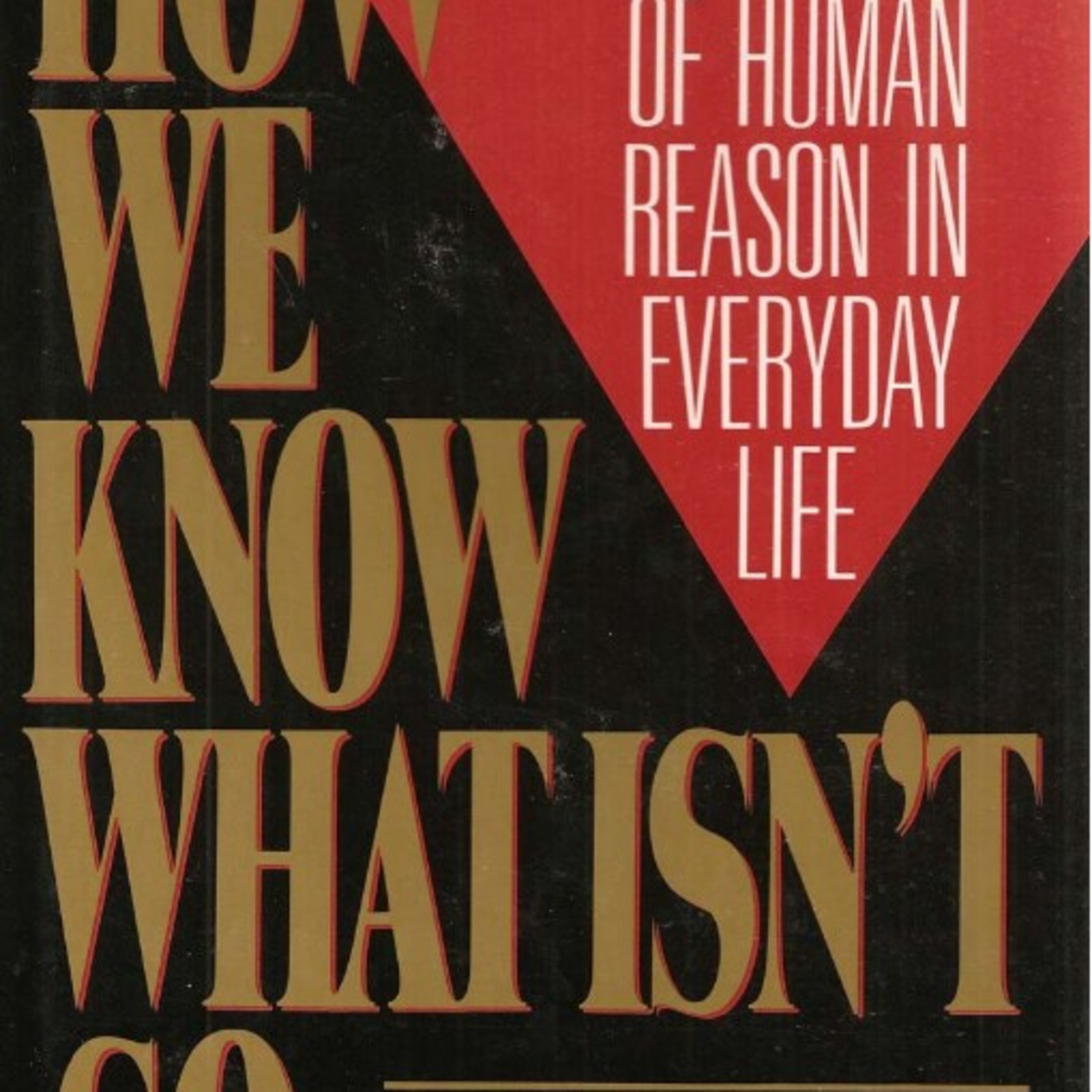
How We Know What Isn’t So — Why Smart People Believe False Things | Crisis in Perception
from Crisis in Perception · host Crisis in Perception
In this episode of Crisis in Perception, we explore How We Know What Isn’t So by psychologist Thomas Gilovich — a foundational work on why false beliefs persist even among intelligent, well-intentioned people.Rather than portraying human thinking as irrational, Gilovich shows how perfectly reasonable mental processes—pattern recognition, causal inference, reliance on experience, and social trust—often lead us to incorrect conclusions.This Deep Dive examines:Why humans see patterns in randomness (the “hot hand” fallacy)How confirmation bias and selective memory reinforce false beliefsThe role of secondhand information, anecdotes, and cultural transmissionWhy correlation is so easily mistaken for causationHow incomplete data and small samples mislead intuitionThe persistence of ineffective practices despite contrary evidenceWhy confidence and repetition often outweigh accuracyGilovich argues that many errors in belief arise not from stupidity or deception, but from normal cognitive shortcuts operating in complex, uncertain environments.Rather than offering simple debiasing tricks, this Deep Dive focuses on epistemic humility — understanding the limits of intuition, the value of scientific reasoning, and why skepticism must be applied to our own beliefs first.▶ MINI EXPLAINER VERSION👉 https://youtu.be/C5eeOM6Bs0gSupport Crisis in Perception on Patreon:👉 https://patreon.com/CrisisInPerception
What this episode covers
In this episode of Crisis in Perception, we explore How We Know What Isn’t So by psychologist Thomas Gilovich — a foundational work on why false beliefs persist even among intelligent, well-intentioned people.Rather than portraying human thinking as irrational, Gilovich shows how perfectly reasonable mental processes—pattern recognition, causal inference, reliance on experience, and social trust—often lead us to incorrect conclusions.This Deep Dive examines:Why humans see patterns in randomness (the “hot hand” fallacy)How confirmation bias and selective memory reinforce false beliefsThe role of secondhand information, anecdotes, and cultural transmissionWhy correlation is so easily mistaken for causationHow incomplete data and small samples mislead intuitionThe persistence of ineffective practices despite contrary evidenceWhy confidence and repetition often outweigh accuracyGilovich argues that many errors in belief arise not from stupidity or deception, but from normal cognitive shortcuts operating in complex, uncertain environments.Rather than offering simple debiasing tricks, this Deep Dive focuses on epistemic humility — understanding the limits of intuition, the value of scientific reasoning, and why skepticism must be applied to our own beliefs first.▶ MINI EXPLAINER VERSION👉 https://youtu.be/C5eeOM6Bs0gSupport Crisis in Perception on Patreon:👉 https://patreon.com/CrisisInPerception
NOW PLAYING
How We Know What Isn’t So — Why Smart People Believe False Things | Crisis in Perception
No transcript for this episode yet
Similar Episodes
Mar 19, 2026 ·34m
Feb 18, 2026 ·11m
Feb 11, 2026 ·45m
Nov 12, 2025 ·35m
Oct 17, 2025 ·40m