
EPISODE · Aug 7, 2026 · 1H 28M
How we've long misread gun violence (and ways to prevent it)
from Berkeley Talks
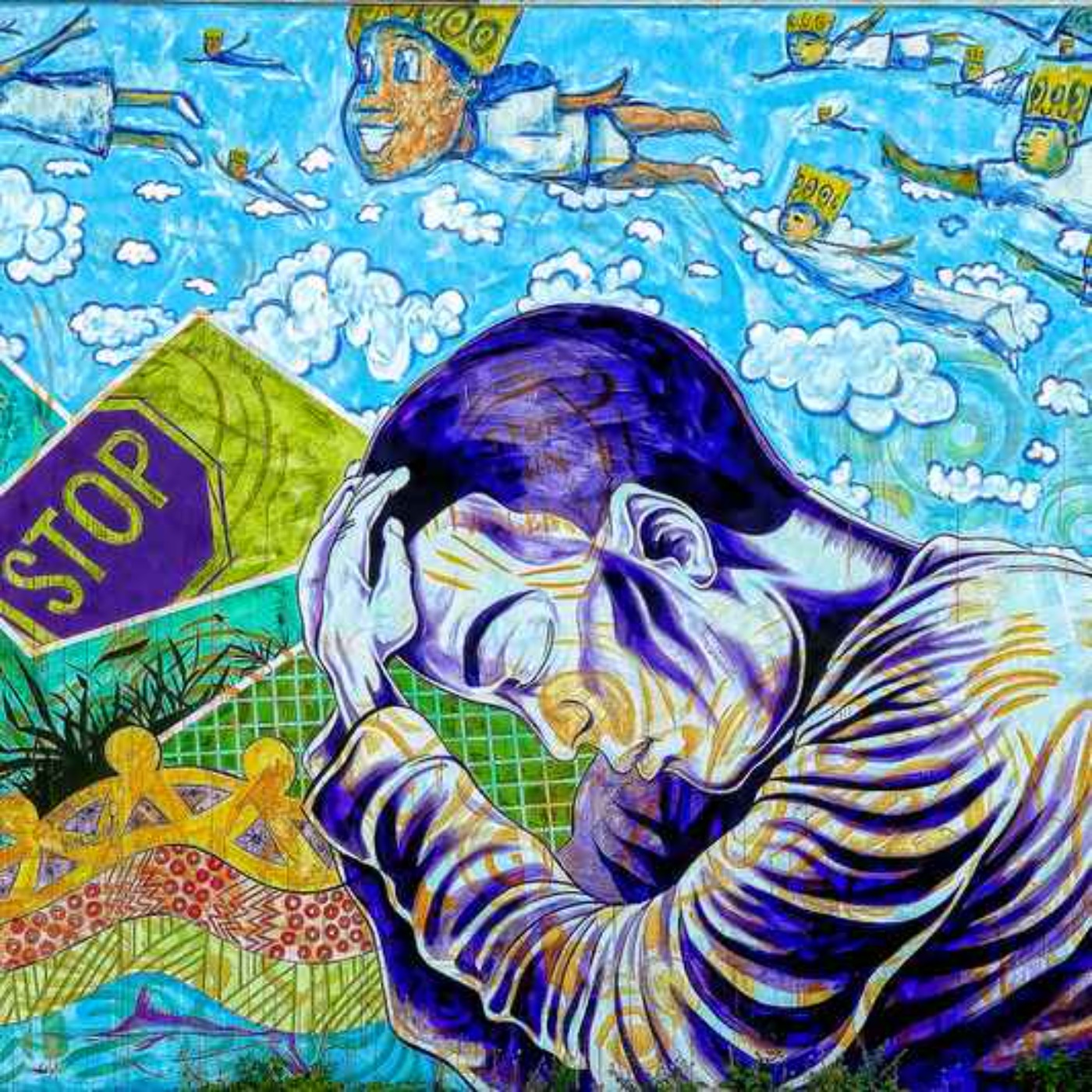
In the early hours of November 2007, Amadou Cisse, a 29-year-old University of Chicago chemistry graduate student, was walking home when Demetrius Warren, then 17, and Benjamin Williams, 21, approached him. According to trial testimony, Warren pointed a gun at Cisse while Williams attempted to grab his backpack. A struggle ensued, and Warren shot Cisse in the chest. Cisse died from the wound.“Behind every news headline and every statistic, there is a mom who has just lost the most important person in their life,” says Jens Ludwig, a University of Chicago economics professor and director of its Crime Lab. “And in this particular case … Warren is currently spending 150 years downstate in the Illinois Department of Corrections. So in this case, two moms lost the most important people in their lives.”Delivering the 2026 Wildavsky Lecture in Public Policy at UC Berkeley’s Goldman School of Public Policy this past April, Ludwig, author of Unforgiving Places: The Unexpected Origins of American Gun Violence, argues that both major political parties misdiagnose gun violence as a deliberate, rational choice, when in fact it’s almost always an impulsive one."Both sides of that debate implicitly think that before anybody ever pulls a trigger, they're engaging in some sort of deliberate, rational weighing of pros and cons,” he says. But in reality, he contends, roughly 80% of gun homicides stem from everyday arguments that rapidly escalate in brief, uncalculated moments. Drawing on insights from behavioral economics, Ludwig says there are several low-cost, scalable tools — from youth programs and de-escalation training for police to simple urban fixes like greening vacant lots — that deliver meaningful public-safety gains. He points to “Becoming a Man,” a school-based group counseling program that helps teenage boys slow down their thinking in high-stakes situations. Randomized research trials found that it reduced participants’ violent-crime arrests by up to 50% — evidence, he argues, that communities don’t need to wait for sweeping political overhauls to make real progress.Listen to the episode, read the transcript and watch a video of the lecture on UC Berkeley News (news.berkeley.edu/podcasts/berkeley-talks).Music by by HoliznaCC0.Detail of a mural by Kyle Holbrook and local youth in Miami, Florida. (Photo by Terence Faircloth via Flickr) Hosted on Acast. See acast.com/privacy for more information.
Embed this episode
NOW PLAYING
How we've long misread gun violence (and ways to prevent it)
No transcript for this episode yet
Similar Episodes
No similar episodes found.