
EPISODE · Aug 6, 2025 · 22 MIN
HR Analytics with Microsoft Fabric + Dynamics 365 Human Resources
from M365.FM - Modern work, security, and productivity with Microsoft 365 · host Mirko Peters - Founder of m365.fm, m365.show and m365con.net
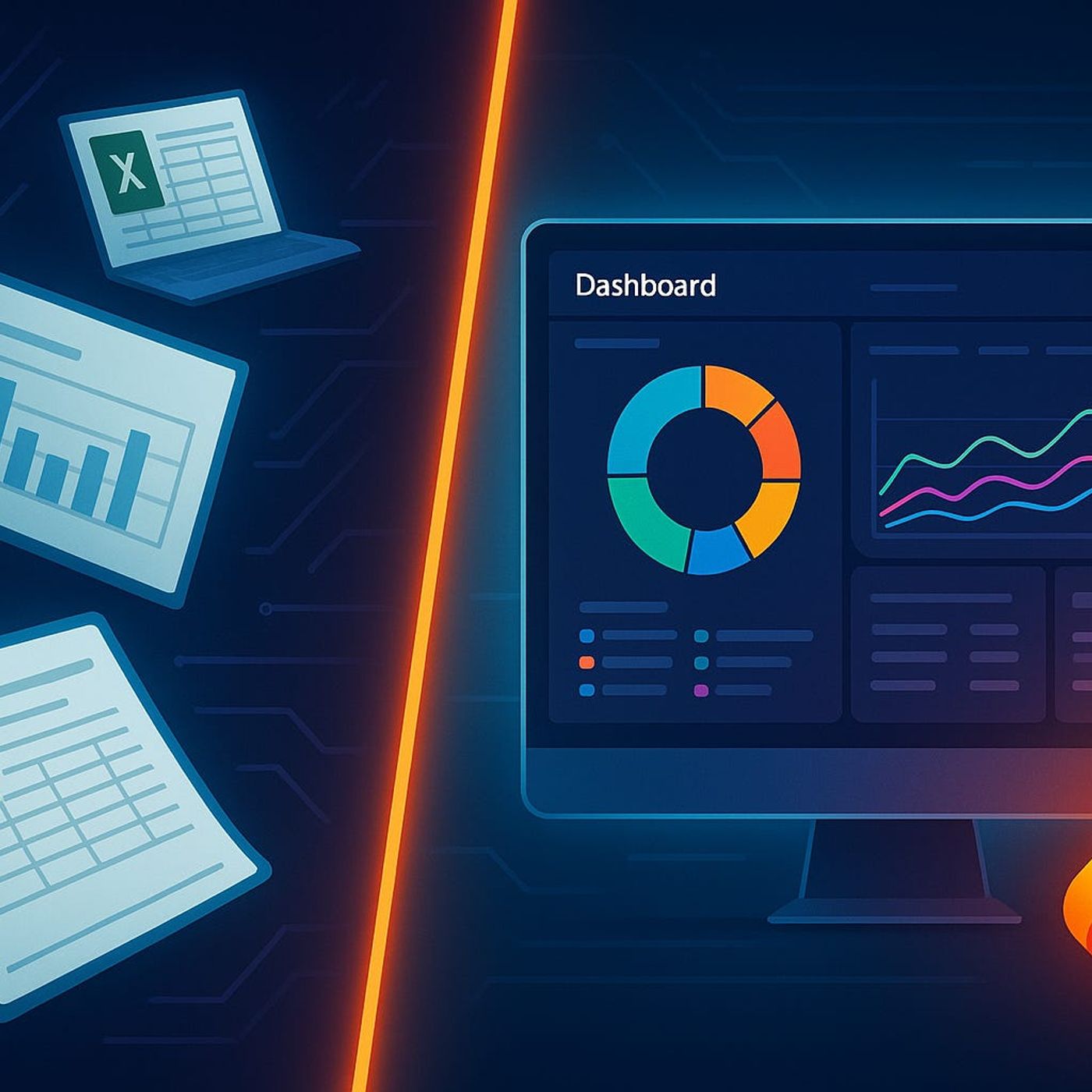
HR reports don’t fail because you lack data—they fail because your data lives in too many places, updates at different speeds, and never quite agrees when it finally lands in a spreadsheet. In this episode, we start from the exact chaos you describe in the current text—onboarding stats in one system, payroll in another, time off somewhere else, plus endless CSV exports—and show how Microsoft Fabric gives you a single, governed foundation for HR analytics that actually matches reality.We first zoom in on why siloed HR data is more than an annoyance; it directly changes how decisions get made. You’ll hear how headcount, attrition, leave, and onboarding metrics drift across Dynamics 365 HR, payroll, time tracking, and IT systems until nobody can say which version is “right”—and how that leads to guesswork on burnout, hiring needs, and budget planning. We connect hybrid work and faster talent movement to the cost of running HR on last week’s numbers: missed burnout patterns, late reactions to attrition spikes, and onboarding bottlenecks that show up only after projects slip.From there, we break down what actually powers HR analytics in Microsoft Fabric. Instead of leaning on Power BI alone, we walk through how Fabric’s lakehouse, Dataflows Gen2, and Power BI work together: Dataflows pull and clean data from Dynamics 365 HR and external systems, the lakehouse becomes your single source of truth for all HR data (from core records to survey files), and Power BI sits on top as the front end to that unified model. You’ll see why this architecture replaces fragile, one‑off exports with scheduled, reusable transformations, so your HR dashboards reflect the same definitions Finance, IT, and leadership rely on.Finally, we connect this technical foundation back to HR’s role in the business. With unified data, you can track attrition, onboarding time, leave, DEI metrics, and burnout signals in near real time instead of arguing over mismatched spreadsheets. That shift lets HR move from reconciling last month’s numbers to proactively flagging risks, backing up workforce plans with evidence, and earning a consistent seat at the strategy table—because the numbers are finally trustworthy, timely, and shared.WHAT YOU LEARNWhy disconnected HR systems (Dynamics 365 HR, payroll, time tracking, IT) create constant reconciliation work and shaky trust in reports.How hybrid work and faster talent movement raise the stakes for slow, siloed HR data.How Microsoft Fabric’s lakehouse, Dataflows Gen2, and Power BI combine into a real HR analytics platform instead of just nicer dashboards.How automating data prep in Fabric replaces manual CSV juggling and reduces the risk of mismatches across departments.How unified HR data changes HR’s position—from reporting what went wrong to predicting and influencing what happens next.CORE INSIGHTThe core insight of this episode is that HR analytics problems aren’t solved by prettier reports—they’re solved by fixing where and how the data lives. When you use Microsoft Fabric to unify Dynamics 365 HR and all your other HR sources into one lakehouse, your dashboards stop exposing data chaos and start telling a single, reliable story the whole business can act on.WHO THIS IS FORHR leaders tired of reconciling headcount, attrition, and onboarding numbers across multiple systems.People analytics and BI teams building HR dashboards on top of Dynamics 365 Human Resources.IT and data architects designing Fabric‑based analytics platforms for HR and Finance.Executives who need timely, trustworthy workforce insights instead of backward‑looking, disputed reports.ABOUT THE HOSTMirko Peters is a Microsoft 365 and cloud consultant and the host of M365.FM, focused on modern work, security, and data architectures in the Microsoft ecosystem. He helps organizations move from spreadsheet‑driven HR reporting to context‑driven systems on Microsoft 365, Dynamics 365, and Fabric, where people metrics are unified, governed, and built for decision‑making—not just compliance. In M365.FM, Mirko turns long, messy HR data stories—like the one behind this episode—into practical patterns teams can apply in their own environments.Become a supporter of this podcast: https://www.spreaker.com/podcast/m365-fm-modern-work-security-and-productivity-with-microsoft-365--6704921/support.
Embed this episode
NOW PLAYING
HR Analytics with Microsoft Fabric + Dynamics 365 Human Resources
No transcript for this episode yet
Similar Episodes
No similar episodes found.
Similar Podcasts
No similar podcasts found.