Hunting Dogs - Part 2
from From A Dog's Eye View Hosted by Susan Coleman
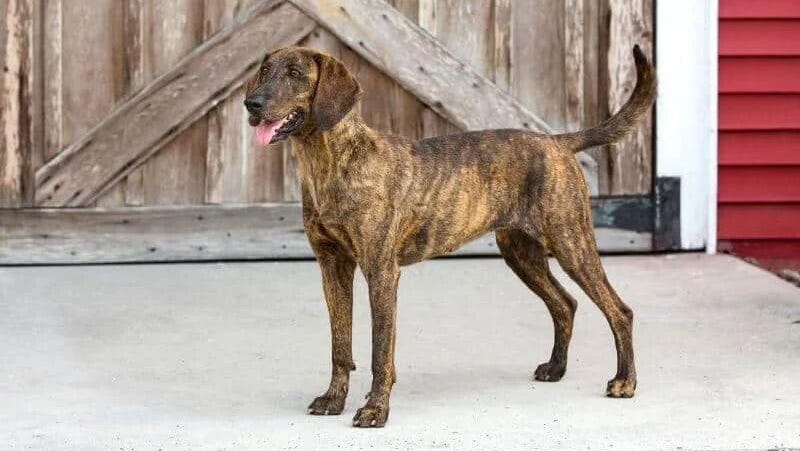
Regulated hunting in the United States is a safe activity enjoyed by over 14 million adults. The Ohio Department of Natural Resources recorded almost 400,000 paid hunting license holders. This number includes hunting of birds, small animals and deer. Regulations exist to preserve, protect and control wildlife populations. Hunting can bring communities together and help feed those in need. It is a skill that can be learned through hunting clubs and trusted family members. In Part One of the Hunting Dogs podcast, my guest, Gary Flynn, shares stories about how he learned about the many facets of hunting from family members. Not all hunters use dogs, but Gary’s initiation to the world of hunting at a young age included neighborhood and family dogs to help in the process. He was able to witness how motivated a dog can become while pursuing their prey. He also experienced a “pecking order” amongst dogs gathered under a tree with a raccoon hanging on for dear life. Everyone knew which dog had the tenacity and skills to snatch the coon out of the tree. It helped Gary learn about individual and pack dog behavior. Living at home versus living in kennels Hunting dogs can live in the house with their humans. Gary can’t imagine not having his dogs live in his house. He trains them with obedience skills that are a necessity when out in the field. He also makes it a priority to teach them manners so he can socialize them inside hunting clubs and with guests coming to his house. Many hunters will keep their dogs separate from social gatherings inside the clubs. They do not go to the extent that Gary does in socializing and training his dogs. Some are of the opinion that hunting dogs will not be effective hunters if they become family dogs. Some hunters prefer to board their dogs at kennels. It provides a safe environment for hunting breeds who like to run and roam over great distances. They will climb over fences and dig their way out of a common crate. These kennels are designed with secure slats that are impossible to bend and are cemented to the ground. The boarding staff is often trained on the specific traits of the different hunting breeds. They are also exercised daily so they stay in good shape in between hunts and during the off season. Over the past 15 years as a dog trainer, there are hunting breeds I frequently see in my obedience classes and private home sessions. I work with a lot of doodles that have either Golden Retriever or Labrador Retriever combined with a poodle, as well as many from the terrier group. It is important to remember that all three of these breeds are hunting dogs by nature. There are also breeds I have never seen before. For example, the Black and Tan Coonhound, pictured on top of the video of the podcast above, the Plott Hound or the Mountain Cur. Regardless of the type of hunting dog you may have, it is highly recommended to fulfill their physical and mental needs in order to maintain a balanced dog. Plott Hounds As with many hunting breeds, Plott Hounds have a unique bark that can drive a lot of families crazy. They require lots of daily exercise with plenty of space to roam. They are used primarily for hunting larger animals such as bears and boars. They are an intelligent breed which means they need to be challenged not just physically but also mentally. As Gary mentions, some breeds like the Plott Hound can be a challenging family pet due to their high energy and strong prey drive. They can also be difficult to potty train. They may eliminate whenever and wherever they feel like it. Gary advises families with Plott Hounds to put in durable, waterproof vinyl flooring. It may take awhile to fully potty train them! Bloodhounds Another hunting breed that can be challenging to have as a family pet is a Bloodhound. I have only experienced one Bloodhound in my career as a dog trainer. A woman brought one to Petco for my six week obedience class. He lasted two weeks. He was already a huge dog at 10 months old, which made it difficult to control his urge to jump on everyone and everything. Petco discouraged and forbade their dog trainers from using pinch collars, but when my manager saw how out of control this dog was, he handed me one! Gary jokes about how many Bloodhounds should be in an obedience class - one! Their independent nature requires very patient and consistent training. Their intense tracking instinct sets them in a class above all others. Gary has fond memories of working search and rescue sites with a man who handled Bloodhounds. Tracking vs Trailing We have all seen our dogs sniffing the ground wherever they walk. If you observe your dog long enough as they are sniffing, sometimes they sniff intensely and seem to follow a path. This is called tracking. When this is done in a hunting environment, it is sometimes done as the dog drags a long leash or the handler is holding a leash. Handlers use the keen sense of smell of scent hounds to detect, follow and locate a specific scent, such as a wounded or dead deer. Most of us have seen shows on television where the scent hound is used in search and rescue missions. Handlers will have their dogs search for a scent left by footprints, blood, or broken vegetation where animals may have passed through. Trailing dogs follow a specific scent in the air or around obstacles. They can locate a deer that may have fallen when wounded, but then got back up and kept walking. Their heads are usually level or held in the air. They are usually ahead of their handler and operate independently. If they lose the scent, they will start to circle around to find the scent again. Many dogs will be adept at both tracking and trailing to assist the hunter. Gary talks about how dogs are highly skilled at staying on the scent trail. They know that the scent is stronger on the shady side of a hill covered with dew in the morning versus the sunny side where the scent has been baked off. Another type of hunting dog is a scent dog. Their powerful sense of smell allows them to track prey over long distances. Their alluring long ears is a characteristic that aids them in sweeping the scent of their prey towards their nose. Beagles, Bloodhounds, and Coonhounds are all scent dogs with the Bloodhound being the apex scent dog. Just look at those ears in the picture above! Beagles make excellent hunting dogs and family pets. They are known for their nose to the ground while running approach to sniff out and direct rabbits and small game towards their hunter. They work well in a pack to flush out bunnies in the brush. Their baying (type of bark) is unique and can alert their hunters from far away. If you have ever heard a beagle baying, I think you would agree with me that it sounds like he’s being tortured. We had one in our neighborhood we called Torture Dog! However, their curious, clown-like nature makes them fun family pets. They do very well in obedience classes and can learn any skill presented to them. When referring to hunting dog breeds, there are sight hounds like the Greyhounds, Whippets and Salukis. They rely on their sense of sight over their sense of smell to spot and chase prey. They are notorious for their incredible speed and aerodynamic build. They also make wonderful couch potato loving companions but must be socialized and exercised daily. Training Hunting Dogs According to Gary, the most important skill you can teach your hunting dog is the recall, or the “Come” command. Most 8 week old puppies have an innate desire to follow you around. Foster that instinct and develop it by increasing the distance between you and your… This is a public episode. If you would like to discuss this with other subscribers or get access to bonus episodes, visit canineconcierge.substack.com
Embed this episode
No transcript yet.