
EPISODE · Jun 10, 2026 · 8 MIN
Hydraulic Repair Near Me: Expert Services Guide 2026
from Industrial Fab, Welding & Machining · host Aaron Sova
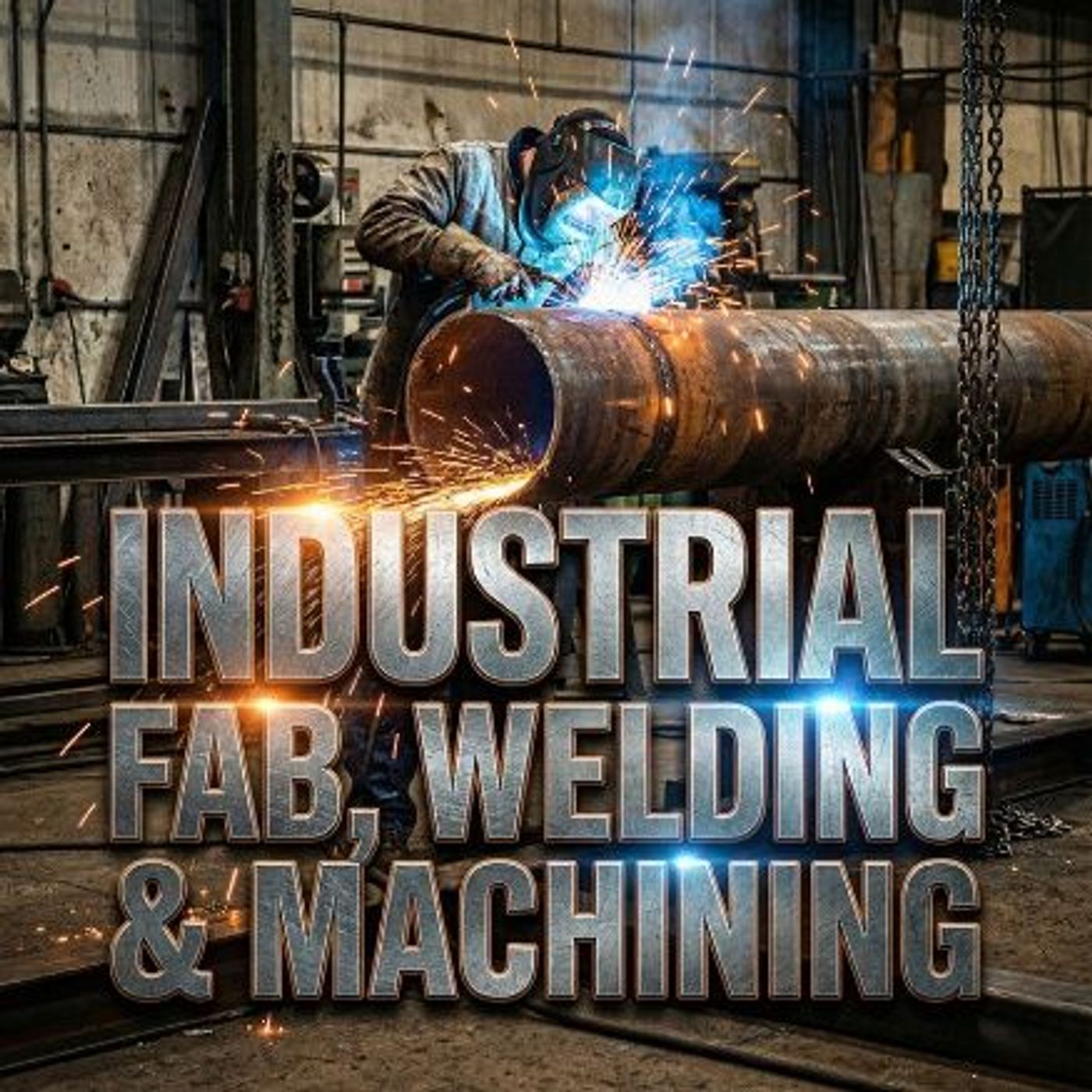
Overcoming High-Pressure Seal Degradation, Deploying Rapid Mobile Fluid Dispatch Teams, and High-Yield Component Rebuild EconomicsModern industrial heavy equipment relies on a high-pressure hydraulic network that functions much like a human cardiovascular system, pumping vital fluid under extreme pressure to drive mechanical output. Operating continuously at thresholds exceeding 3,000 PSI means that ignoring simple warning signs—such as minor heat changes or faint pump whining—can trigger a sudden, catastrophic system breakdown. In this fluid-power optimization installment of The Industrial Fab, Welding & Machining Podcast, the mechanical infrastructure experts at LTJ Industrial Services break down the diagnostic steps, fluid physics, and material science needed to protect complex hydraulic operations.Host and the LTJ engineering group move past basic surface-level fixes to analyze how destructive forces like cavitation and abrasive particulate contamination eat away at internal metal surfaces from the inside out. Discover how to identify early signs of internal seal bypass before it causes erratic cylinder stuttering, why proactive fluid testing serves as an early health report for heavy machinery, and how to evaluate the economics of rebuilding large pump assemblies versus purchasing new units. Learn how to optimize equipment performance across harsh Western US environments by upgrading to advanced proportional valves and variable displacement pumps.Chapter Sections00:00 – The Industrial Cardiovascular Metaphor: Comparing closed-loop fluid networks to the vital blood supply of heavy production machinery.01:45 – The Domino Effect of Pressurized Fluid Failures: Tracking how localized seal degradation leads to systemic pressure loss and component damage.03:20 – The Physics of Cavitation Erosion: Explaining how microscopic imploding air bubbles generate extreme force that pits internal metal surfaces.04:55 – Acoustic Warning Diagnostics: Identifying the underlying operational issues behind distinct pump whining, knocking, and grinding sounds.06:30 – High-Velocity Mobile Field Support: Deploying specialized service trucks to handle urgent hose swaps on-site within a tight two-hour window.08:10 – Fluid Analysis as a Health Baseline: Utilizing regular lab sampling to catch harmful water intrusion and abrasive dirt before parts lock up.09:45 – Sector-Specific Maintenance Strategies: Customizing machinery cleaning and screening protocols to separate mining operations from recycling sectors.11:20 – Rebuild vs. Replace Cost Formulations: Evaluating the real long-term savings of component overhauls compared to long manufacturing lead times.13:00 – Upgrading to Advanced High-Efficiency Valves: Integrating modern proportional valves, digital sensors, and variable pumps to cut energy costs.15:15 – Closing: Moving past high emergency fees to install proactive maintenance software and requesting a quote at LTJIndustrial.com.Key Episode HighlightsThe High High-Stress Physics of 3,000 PSI Loops: Heavy aggregate and energy extraction machinery depend on highly pressurized fluid loops to do the heavy lifting. Operating continuously at these extreme thresholds means any small drop in fluid quality or seal integrity can cause an immediate system shutdown.The Destructive Physics of Internal Cavitation: Allowing air to enter a pressurized hydraulic loop introduces severe mechanical risks. When trapped air bubbles travel from low-pressure lines into high-pressure pumps, they collapse with enough explosive force to literally erode solid metal, pitting internal valves and barrels.Fluid Analysis as the Primary Health Baseline: Implementing regular fluid analysis gives industrial maintenance managers a clear look inside closed systems. Tracking precise microscopic element counts isolates exactly which internal bronze bushings or steel valves are wearing out before a catastrophic lockup occurs.Rapid Emergency Stabilization via Field Trucks: When sudden high-pressure hose ruptures stall your equipment, every minute counts. Having a local mobile service fleet close by means they can dispatch fully equipped trucks to execute on-site fixes within two hours, keeping your project timelines fully intact.The Structural Connection of Mechanical Frameworks: Tracking down complex hydraulic drop-offs requires looking past individual valves or pumps. Recurring seal damage is often triggered by an outside issue, such as an unmonitored structural alignment twist or a worn mounting bracket applying uneven side loads.Western Slope Geotechnical & Industrial System BenchmarksThe Proactive Prevention Dividend: Transitioning from a run-to-failure model to a structured preventative maintenance schedule cuts overall heavy machinery repair costs by 30% to 40%.The Rapid Hose Deployment Window: Utilizing an integrated regional partner with pre-screened trade databases allows plant managers to secure on-site mobile hose replacements in as little as two hours.The Capital Upkeep Reinvestment Yield: Upgrading older manual valves to variable displacement pumps and smart digital sensors lowers fuel use and pays for itself within 18 to 36 months.Secure Your Production Infrastructure with LTJ Industrial ServicesThe Western United States’ Elite Manufacturing Authorities: Operating from 22505 US-6, Rifle, CO, LTJ Industrial Services combines advanced CNC precision with decades of rugged field experience to support energy, aggregate, mining, and recycling operations across Colorado and Utah.Turnkey Machining, Fabrication, and Field Repair: We eliminate the scheduling vulnerabilities of uncertified sub-contractor networks. Our industrial facility handles your entire project in-house—from initial CAD/CAM blueprinting and high-pressure waterjet cutting to multi-axis CNC milling, certified ASME/AWS code welding, specialized industrial hydraulic rebuilds, and mobile on-site line boring.Request an Advanced Heavy Equipment or Repair Evaluation: Ready to protect your heavy equipment assets from high-cost mechanical wear and secure high-precision replacement components? Visit ltjindustrial.com or call our regional manufacturing center at (970) 625-9353 to review your blueprints with our estimating team today.Click here to read moreLearn more about LTJ Industrial Services at www.ltjindustrial.com/
Embed this episode
What this episode covers
Overcoming High-Pressure Seal Degradation, Deploying Rapid Mobile Fluid Dispatch Teams, and High-Yield Component Rebuild Economics Modern industrial heavy equipment relies on a high-pressure hydraulic network that functions much like a human cardiovascular system, pumping vital fluid under extreme pressure to drive mechanical output. Operating continuously at thresholds exceeding 3,000 PSI means that ignoring simple warning signs—such as minor heat changes or faint pump whining—can trigger a sudden, catastrophic system breakdown. In this fluid-power optimization installment of The Industrial Fab, Welding & Machining Podcast , the mechanical infrastructure experts at LTJ Industrial Services break down the diagnostic steps, fluid physics, and material science needed to protect complex hydraulic operations.Host and the LTJ engineering group move past basic surface-level fixes to analyze how destructive forces like cavitation and abrasive particulate contamination eat away at internal metal surfaces from the inside out. Discover how to identify early signs of internal seal bypass before it causes erratic cylinder stuttering, why proactive fluid testing serves as an early health report for heavy machinery, and how to evaluate the economics of rebuilding large pump assemblies versus purchasing new units. Learn how to optimize equipment performance across harsh Western US environments by upgrading to advanced proportional valves and variable displacement pumps. Chapter Sections 00:00 – The Industrial Cardiovascular Metaphor: Comparing closed-loop fluid networks to the vital blood supply of heavy production machinery. 01:45 – The Domino Effect of Pressurized Fluid Failures: Tracking how localized seal degradation leads to systemic pressure loss and component damage. 03:20 – The Physics of Cavitation Erosion: Explaining how microscopic imploding air bubbles generate extreme force that pits internal metal surfaces. 04:55 – Acoustic Warning Diagnostics: Identifying the underlying operational issues behind distinct pump whining, knocking, and grinding sounds. 06:30 – High-Velocity Mobile Field Support: Deploying specialized service trucks to handle urgent hose swaps on-site within a tight two-hour window. 08:10 – Fluid Analysis as a Health Baseline: Utilizing regular lab sampling to catch harmful water intrusion and abrasive dirt before parts lock up. 09:45 – Sector-Specific Maintenance Strategies: Customizing machinery cleaning and screening protocols to separate mining operations from recycling sectors. 11:20 – Rebuild vs. Replace Cost Formulations: Evaluating the real long-term savings of component overhauls compared to long manufacturing lead times. 13:00 – Upgrading to Advanced High-Efficiency Valves: Integrating modern proportional valves, digital sensors, and variable pumps to cut energy costs. 15:15 – Closing: Moving past high emergency fees to install proactive maintenance software and requesting a quote at LTJIndustrial.com. Key Episode Highlights The High High-Stress Physics of 3,000 PSI Loops: Heavy aggregate and energy extraction machinery depend on highly pressurized fluid loops to do the heavy lifting. Operating continuously at these extreme thresholds means any small drop in fluid quality or seal integrity can cause an immediate system shutdown. The Destructive Physics of Internal Cavitation: Allowing air to enter a pressurized hydraulic loop introduces severe mechanical risks. When trapped air bubbles travel from low-pressure lines into high-pressure pumps, they collapse with enough explosive force to literally erode solid metal, pitting internal valves and barrels. Fluid Analysis as the Primary Health Baseline: Implementing regular fluid...
NOW PLAYING
Hydraulic Repair Near Me: Expert Services Guide 2026
No transcript for this episode yet
Similar Episodes
No similar episodes found.
Similar Podcasts
No similar podcasts found.