
EPISODE · Jun 16, 2026 · 13 MIN
Hypermobility in Ballet | Gift or Dangerous Injury Risk?
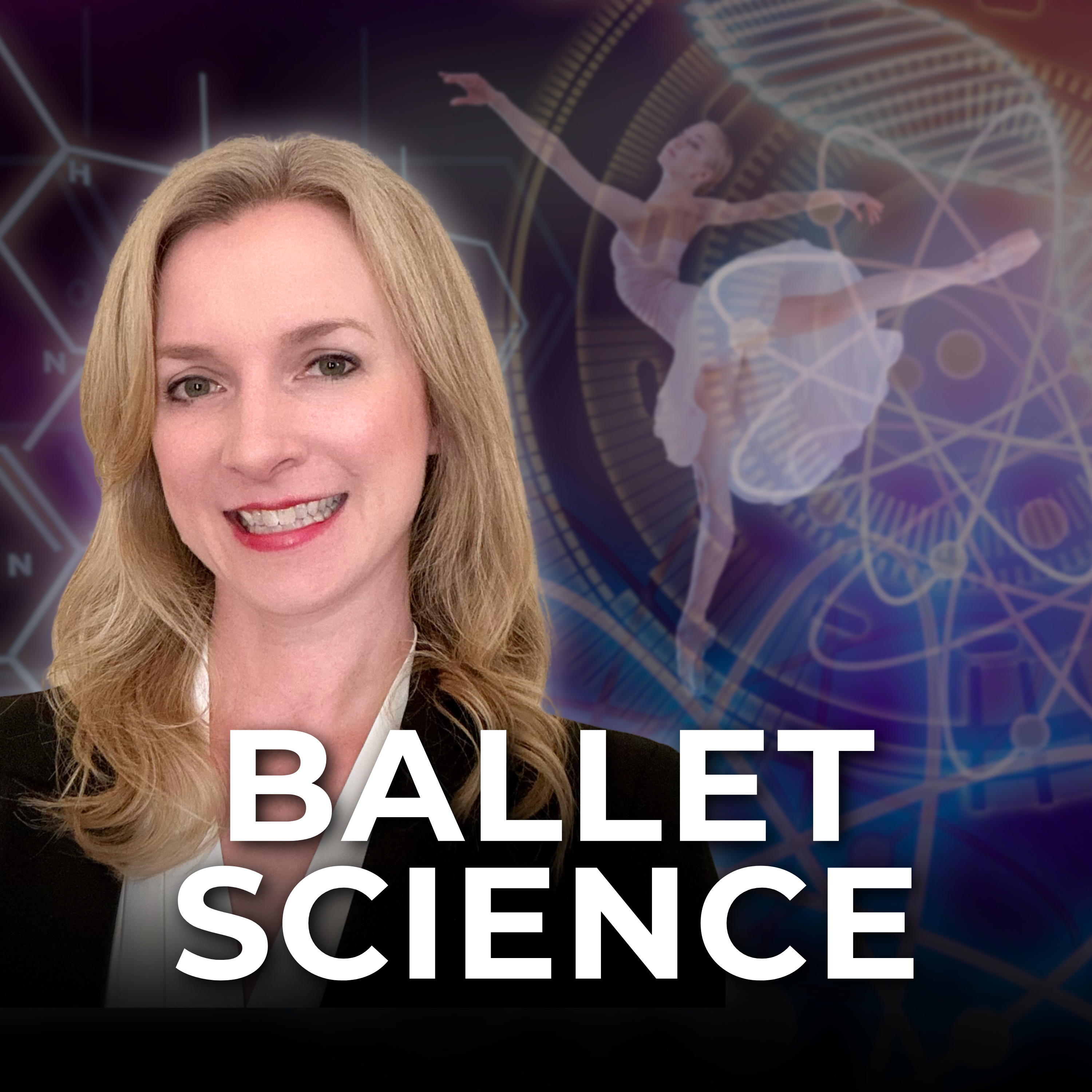
from Ballet Science · host Caroline Simpkins, Ph.D.
Can hypermobility help ballet dancers... or increase injury risk? In this episode, we explore the science of hypermobility and its role in ballet training. Learn the difference between flexibility and hypermobility, why hypermobile dancers are often drawn to ballet, how conditions such as Ehlers-Danlos Syndrome (EDS) fit into the conversation, and why strength and stability may be even more important than flexibility.Whether you've been told you're "double-jointed," struggle with hyperextended knees, or simply want to better understand how hypermobility affects ballet technique and injury prevention, this video is for you.Join the Ballet Science E-mail ListWatch This Video On YouTubeWant to go deeper into the science of ballet? Subscribe to Ballet Science Backstage for bonus Ballet Science content including exclusive episodes, early access, and more. Your support helps keep evidence-based dance education accessible for dancers, teachers, and movement lovers everywhere.Subscribe on SpotifyConnect With Ballet Science:WebsiteInstagramFacebook XAmazon StorefrontE-mail: [email protected] Science is hosted by Caroline Simpkins, Ph.D., former professional ballerina and biomechanics researcher. The podcast explores injury prevention, biomechanics, nutrition, mindset, and the science behind dance performance.Disclaimer: This content is intended for educational purposes only and should not be considered medical advice. Always consult a qualified healthcare professional regarding medical concerns, injuries, or suspected connective tissue disorders.Filming Equipment Affiliate Links:MicrophonePop FilterMic StandPrompterLarge Key LightSmall Key LightEve Flare LightLogo photo: Richard Calmes
Embed this episode
NOW PLAYING
Hypermobility in Ballet | Gift or Dangerous Injury Risk?
No transcript for this episode yet
Similar Episodes
No similar episodes found.
Similar Podcasts
No similar podcasts found.