
EPISODE · May 22, 2023 · 20 MIN
Hypertension on the Couch
from Mental Health Training · host Emilia
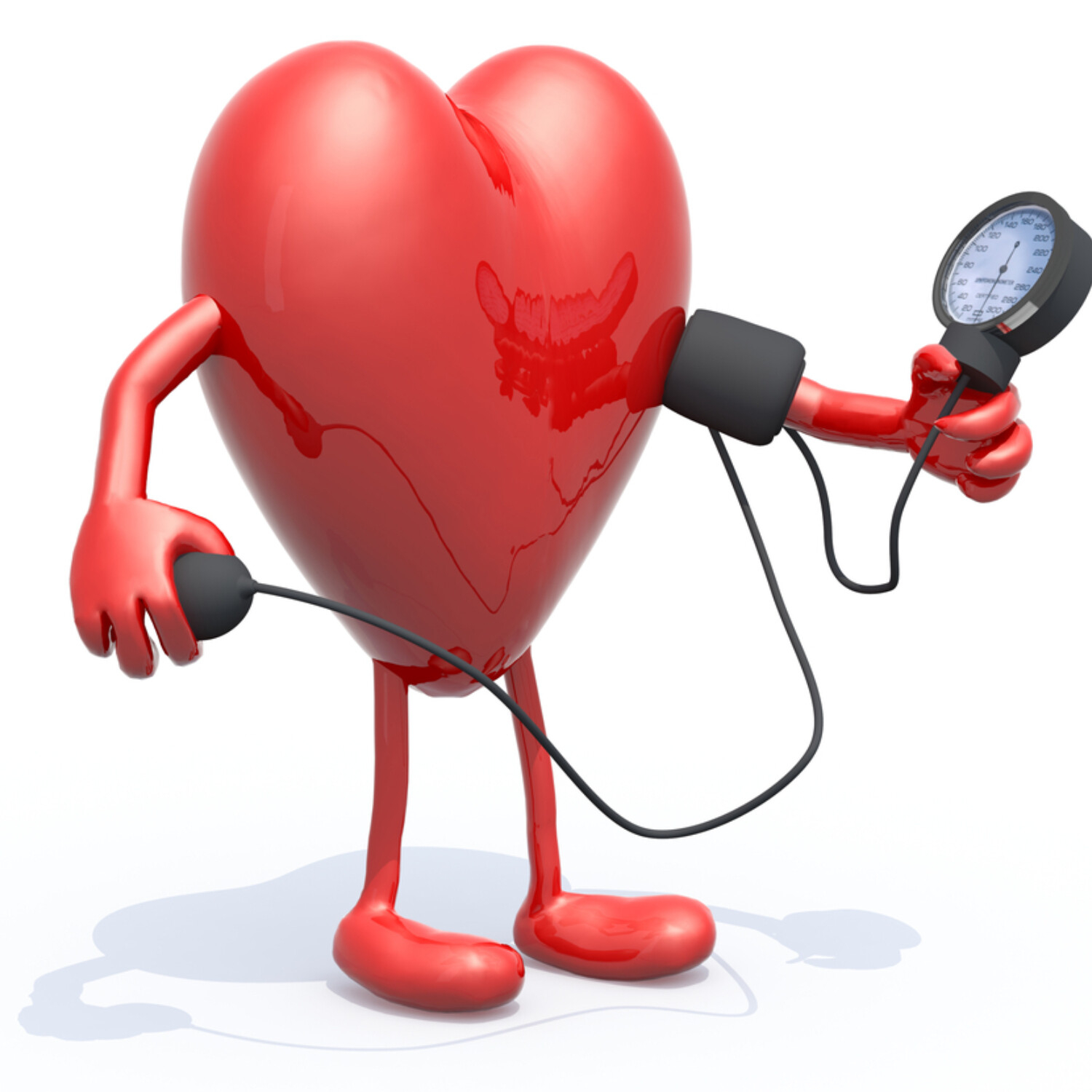
Hypertension, commonly known as high blood pressure, is often called the “silent killer” because it can go unnoticed until it causes severe health problems. In fact, hypertension affects over 1 billion people worldwide and is responsible for an estimated 7.5 million deaths annually. Understanding the risks of hypertension and how to prevent it is crucial for maintaining good health and longevity. What is Hypertension? Hypertension is a condition that occurs when the force of blood pushing against the walls of the arteries is consistently too high. Blood pressure is measured in two numbers - the systolic pressure (when the heart beats) and the diastolic pressure (when the heart is at rest). A normal blood pressure reading is typically around 120/80 mmHg. However, a reading consistently above 140/90 mmHg can be considered hypertensive and requires medical attention. Hypertension is classified according to severity: Stage 1 hypertension — clinic blood pressure ranging from 140/90 mmHg to 159/99 mmHg and subsequent ABPM daytime average or HBPM average blood pressure ranging from 135/85 mmHg to 149/94 mmHg.Stage 2 hypertension — clinic blood pressure of 160/100 mmHg or higher but less than 180/120 mmHg and subsequent ABPM daytime average or HBPM average blood pressure of 150/95 mmHg or higher.Stage 3 or severe hypertension — clinic systolic blood pressure of 180 mmHg or higher or clinic diastolic blood pressure of 120 mmHg or higher.Accelerated (or malignant) hypertension is a severe increase in blood pressure to 180/120 mmHg or higher (and often over 220/120 mmHg) with signs of retinal haemorrhage and/or papilloedema (swelling of the optic nerve). Ambulatory blood pressure monitoring (ABPM) Home blood pressure monitoring (HBPM) Essential hypertension, or primary hypertension, is the most common type of high blood pressure. It means no specific underlying medical condition causing high blood pressure. Factors contributing to essential hypertension include genetics, lifestyle factors (such as diet and exercise), stress, and age. Managing essential hypertension is important, as it can lead to serious health problems, such as heart disease and stroke. Treatment may include lifestyle changes, such as adopting a healthy diet, increasing physical activity, and medication to lower blood pressure. Regular check-ups with a healthcare provider are important for monitoring and managing essential hypertension. Primary hypertension (which occurs in about 90% of people) has no identifiable cause. Secondary hypertension (about 10% of people) has a known underlying cause, such as renal, endocrine, or vascular disorder or the use of certain drugs. Symptoms and Risks of Hypertension Hypertension is often called the “silent killer” because it typically presents no noticeable symptoms. However, over time it can cause severe damage to the arteries, heart, brain, kidneys and eyes. Hypertension-related health problems include heart attacks, strokes, aneurysms, kidney failure, and vision loss. Hypertension is also a leading cause of dementia and cognitive impairment in the elderly. Long-term effects of Hypertension Hypertension affects a quarter of the adult population in the United Kingdom. It accounts for 60% of all strokes in the UK and half of all heart attacks, but because the condition is usually symptomless, most people have no idea they are at risk until it is too late. Hypertension and chronic pain Hypertension and mental health High blood pressure in young people may cause long-term brain issues. Brain damage caused by Hypertension could contribute to dementia. Hormones and Hypertension Salt and Hypertension Alcohol on hypertension Managing Hypertension and Mental Health Prevention and Treatment of Hypertension Learn more:
Embed this episode
NOW PLAYING
Hypertension on the Couch
No transcript for this episode yet
Similar Episodes
No similar episodes found.
Similar Podcasts
No similar podcasts found.