I Cancelled the Subscription. I Kept the Habit.
from Brandistry Buzz Hosted by Nate Challen
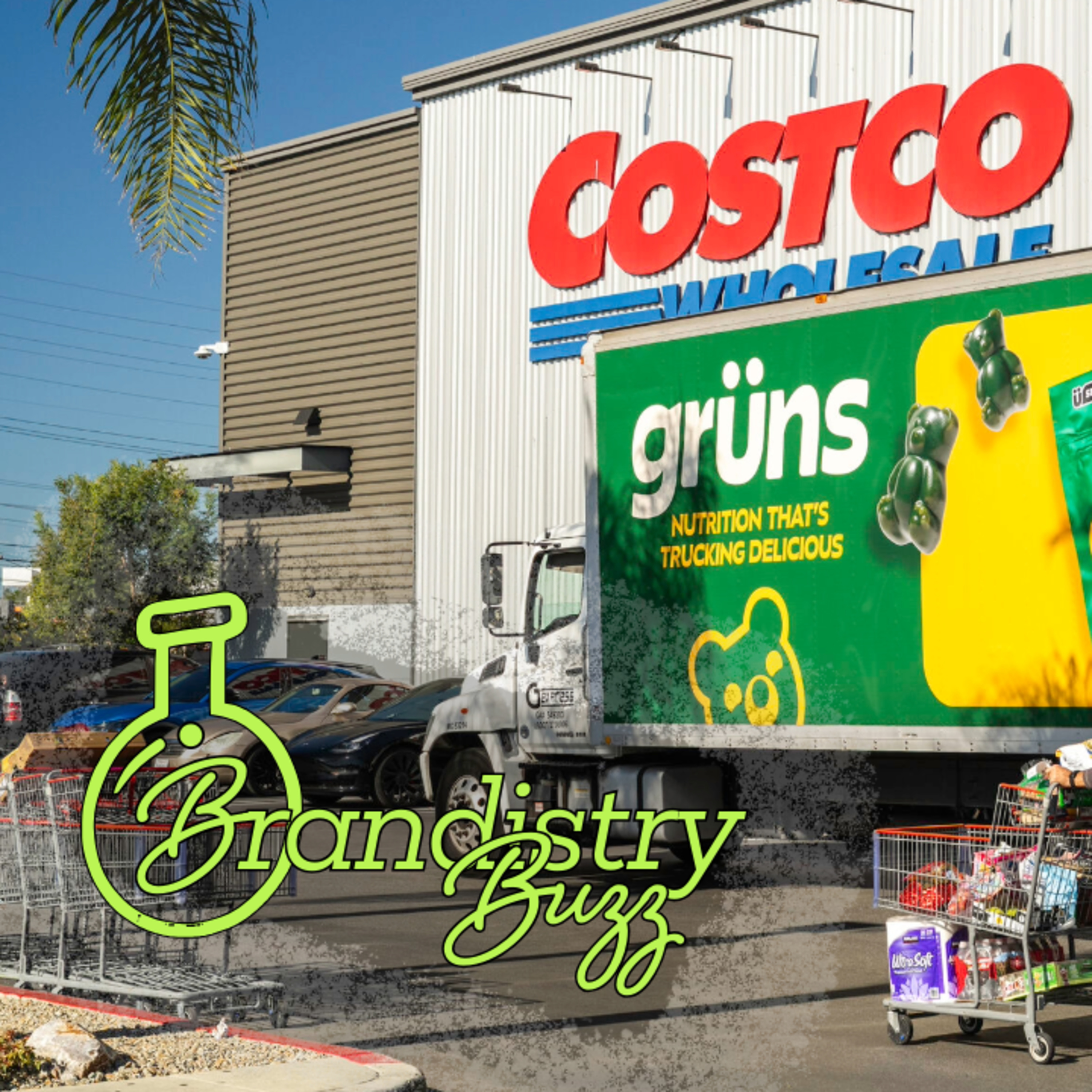
Full DescriptionI started taking Grüns last month after hearing about the superfood gummies on a few podcasts. The first order was forty-four dollars for twenty-eight packs, which felt like a reasonable dollar a day. What surprised me wasn't the product - it was everything around it. Reminders, check-ins, small nudges aimed at the one thing that decides whether a supplement works at all, which is whether you actually take it. Within a few weeks I didn't need the reminders. I had a spot on my desk and a time in the morning. They'd built the habit. Then month two arrived at seventy-three dollars, and that same day I found thirty-five packs at Costco for $44.99. I bought two boxes and cancelled as soon as I got home. In this episode, I work through what that says about every direct-to-consumer brand headed for a retail shelf. In This Episode• The Costco aisle moment - and the $73 bill that arrived the same morning• Why compliance, not flavor, is the hard part of the supplement category• The difference between a channel and a capability, and why brands defend the wrong one• How Grüns reached 6,000+ doors in eighteen months before the Unilever deal closed• Limited-time flavors as a direct-channel strategy - and the pricing gap it doesn't cover• Warby Parker's ecommerce falling to about a quarter of revenue, on purpose• Glossier's first profitable year, powered by the retail model it once refused• The Honest Company taking its own site to zero• Nike running the same decision backwards, and what it cost to undo• Dollar Shave Club versus Grüns - two billion dollar bets, different order of operations• All five READY drivers re-audited for the move from direct to retail• Five things to settle before you put a direct brand on a shelf________________________________________Key Takeaways1. A channel is not a capability. What you got good at can travel. The transaction can't. Grüns didn't just get good at selling gummies. It got good at getting people to take them on a Tuesday in month four. That knowledge can move to a package, an insert, an app. The subscription revenue can't.2. Winning at DTC often looks like DTC shrinking. Ask what job it's holding, not how much ground. Warby Parker's direct channel went from about sixty percent of revenue at IPO to roughly a quarter today. Nobody there considers that a loss. It's the plan.3. Ease has a ceiling and a price. Convenience is real value, just not infinite value. Costco never beat the subscription on convenience. It just put a number on my convenience, and that number was more than I'd pay.4. Price the second order before you price the first. An acquisition offer that punishes loyalty is a cancellation with a delay built in. The deal that won me became the reason I left, at the exact moment a warehouse club offered a bigger box for less.5. Distinctiveness has to survive the shelf. An inbox comparison and an aisle comparison are not the same test. Online you're measured against your own last order. On the shelf you're measured against eleven competitors at once, in about three seconds.6. Choose which channel is the real business. Both answers are legitimate. Not answering isn't. Honest picked and said so out loud. Nike picked wrong and needed two years and a new CEO to undo it.________________________________________Mentioned in This Episode• Grüns and founder Chad Janis• Unilever, and the Dollar Shave Club acquisition• Costco, Target, Walmart, Sam's Club• Warby Parker• Glossier and Sephora• The Honest Company• Nike, John Donahoe, and Elliott Hill• Gillette• The READY framework - Relevance, Ease, Agility, Distinctiveness, Curiosity A Line Worth Remembering"They earned the habit. They didn't keep the direct sale."
Embed this episode
No transcript yet.