
EPISODE · Jul 25, 2025 · 14 MIN
I hate you
from Meditate Your Face Off · host Cara Lai
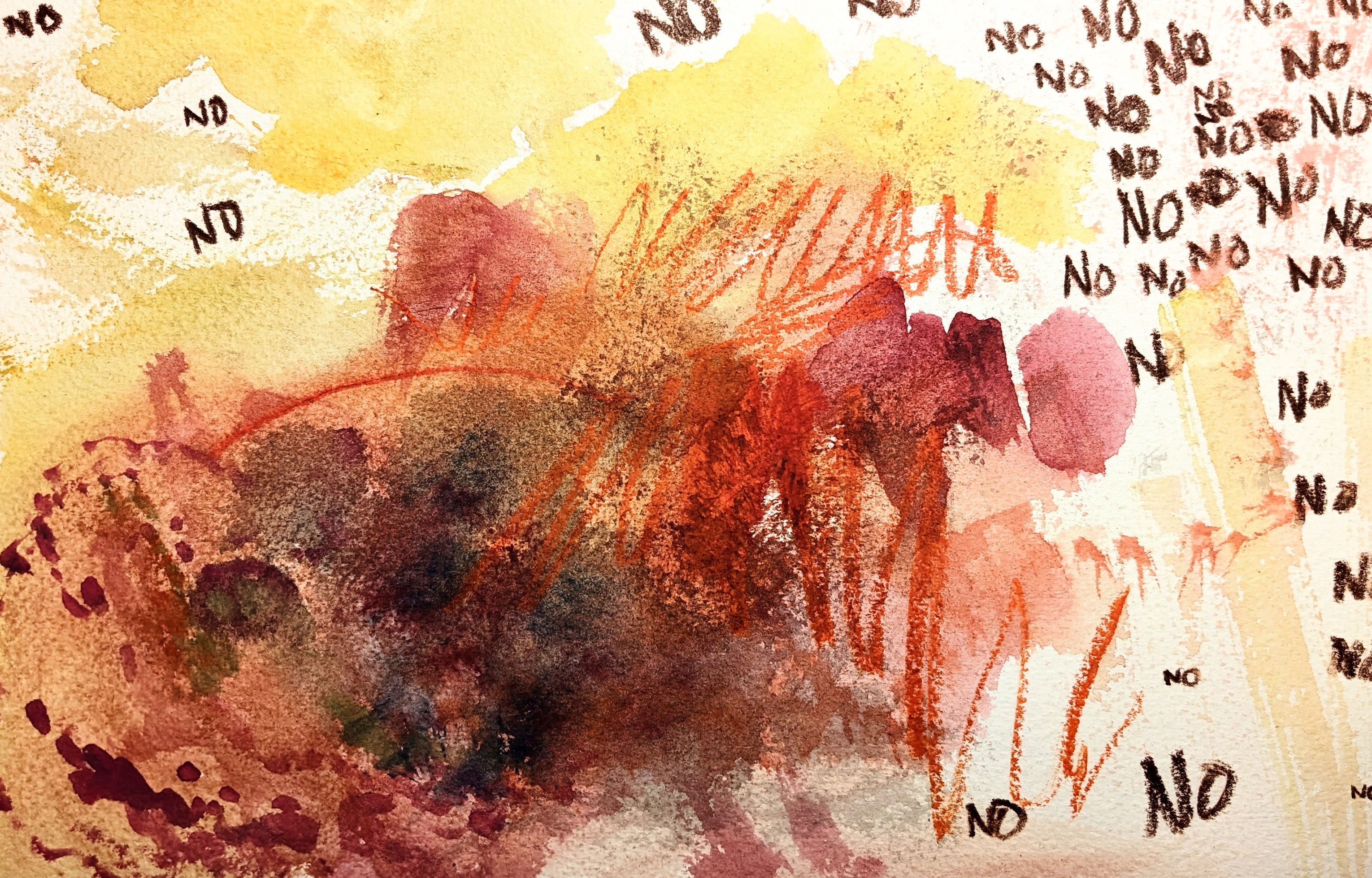
This guided meditation came out of a recent Meditate Your Face off class. The audio dharmette from that class is available to paid subscribers here.I spent a stupid amount of time on my year-long retreat back in 2020 in a state of rage. Fury so strong that it would wake me up at 3 am, so hot and bothered that I’d have to get out of bed, pace, and scream; sometimes until the sun rose. Yes, it was a lot.And it was horrible. So deeply painful that I could barely observe it, despite the fact that the whole point of my being there was to observe my feelings.Even so, I learned a lot about anger. I learned that it needs a lot of quiet listening, a lot of space to exist, to breathe, to run wild and to express itself. I learned that its connected to shame, and also to fear, and to vulnerability. That it comes up when I’ve been harmed, there to protect me, that it’s always trying to keep me safe. But one of the most interesting and useful things I learned about anger was that, when it came right down to it, the person I was the most angry with was always myself. Because how could I have let this happen to me? I was too soft, too weak, I didn’t stand up for myself enough, I didn’t have enough boundaries.This Substack is reader-supported. To receive new posts and support my work, consider becoming a free or paid subscriber.There’s a weird comfort in being angry with yourself, because it means you might still be able to have control. It means you may still have a shot at not getting hurt. But what we don’t tend to look at is how much pain we are already in from the anger itself. Maybe we think pain is better if we’re the ones responsible for inflicting it on ourselves. But pain is pain. Causing pain now to prevent pain later sounds as crazy as it is, but we do it all the time.If we know that when we’re angry, we’re really just angry at ourselves, this brings a whole new dimension to all of the things we get angry about. If I’m angry at my son for purposely doing the opposite of what I’m asking him to do, maybe I’m really angry at myself for not knowing what to do, or because I’m afraid that I might not be a good mom. I might even be angry at myself for being angry at all— isn’t a good mom supposed to be patient and constantly loving?And if I’m angry when I read the news, angry at the people in charge, the people who voted for the people in charge? Maybe I’m really angry at myself because I think I should be doing more to help this fucked up world but I don’t know what to do and I feel helpless. Maybe I’m mad at myself for enjoying a life of comfort and privilege while other people are suffering. But to look at my own shame is far too painful, so I’d rather get angry at everyone else. At least then it feels like I’m doing something about it and not just feeling more and more like the very privileged, useless political leaders that I’m so mad at.In case you didn’t know, you’ve always been trying your best to not get hurt. Maybe you haven’t stood up for yourself or yelled when you felt like yelling, but maybe it was because you were afraid, or trying not to hurt someone, and maybe the fear and restraint was also trying to protect you and other people from getting hurt.How do we work with anger skillfully? There’s so much to say here, but for me, a big part of it is about making space for it to exist. Not judging it, because that’s just more aversion. I’ve also found it important to allow myself to express it, to experiment with it, and to not have a right way of dealing with it. Permission to try different things and see what works and what doesn’t, all with the intention of balancing spacious allowing with non-harm. Slam a door? Punch a pillow? Scream? Cry? Yell? Expressing my feelings, but using words that aren’t blaming or judging or condescending in any way. It’s an art. And we can learn the art by trying different things and seeing what happens.I’ve come to have a lot of respect for anger. It’s shown me parts of myself that are powerful, fearless, and beautiful. These are things I get to see when I allow the anger to flow, to see the depth that lies beneath it. Beneath the anger at another, and beneath the anger at myself, there’s often a feeling of helplessness. Meeting that helplessness tends to be what happens just before we cry, mourning the fact that we don’t have control. And then there’s peace. Underneath all of it is a deep kind of peace that’s been there with us all along. Because all along, we’ve known that we don’t have control, that we’re vulnerable, and that that’s okay. That it is, in fact, awesome.To not have control means we don’t have to be so responsible for life going the way we think it should go. To not have control means we get to see where life could take us, where it’s been wanting to take us. Your life has been wanting to take you to new places that you’ve never experienced before, to a kind of freedom that is way, way freer than having things go the way you think they should go. It’s time to let go. This is a public episode. If you'd like to discuss this with other subscribers or get access to bonus episodes, visit caralai.substack.com/subscribe
NOW PLAYING
I hate you
No transcript for this episode yet
Similar Episodes
Mar 19, 2026 ·34m
Feb 18, 2026 ·11m
Feb 11, 2026 ·45m
Nov 12, 2025 ·35m
Oct 17, 2025 ·40m