
EPISODE · May 30, 2026 · 4 MIN
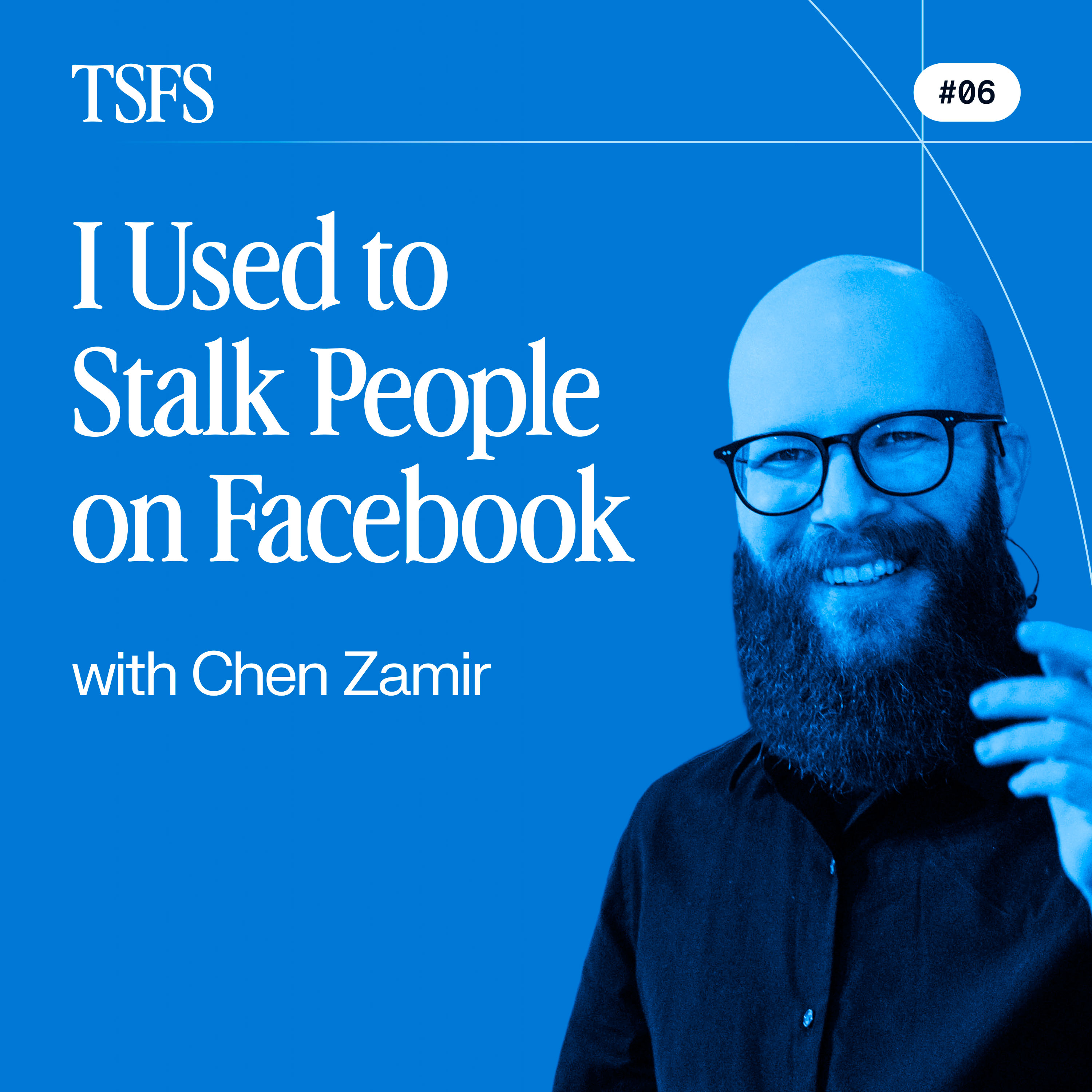
I Used to Stalk People on Facebook
from The Saturday Fraud Strategist
Back in 2009, when I started working in fraud prevention at PayPal, we had this saying: “Good people leave tracks.”And honestly, that was kind of the whole job.Fraudsters tried to erase themselves. Fake identities, disposable emails, wiped browser cookies, brand-new accounts. Legitimate users, meanwhile, usually left digital breadcrumbs everywhere because nobody really thought much about online privacy back then.So yes, part of the job was basically social media investigation.And honestly, I got weirdly good at it.In this episode, I tell the story of how a random Facebook profile picture, a colonial-looking building, and an old backpacking trip through Vietnam helped us approve a transaction that initially looked like obvious fraud.Now, if listening to that story makes you cringe a little, good. It should.The bigger conversation here is not really about Facebook stalking. It is about how fraud prevention changed once online privacy, customer privacy, and data privacy became much more serious priorities across the internet.And now we have this strange tradeoff.As private citizens, most of us are probably happy that publicly available information is harder to access than it was 15 years ago. But as fraud professionals, we also lost a huge amount of visibility that once helped us understand identity intelligence, behavior patterns, and fraud risk.Not a simple problem.What you’ll hear in this episode:How social media investigation worked inside fraud teams in the early days of fintech fraud preventionWhy fraud analysts relied heavily on publicly available information and digital breadcrumbsA real fraud investigation story involving Facebook, geolocation mismatch, and identity verificationHow online privacy and data privacy reshaped fraud prevention workflowsWhy social media OSINT became harder as platforms tightened customer privacy controlsHow open source intelligence techniques evolved from manual investigation into AI OSINT toolsWhy identity intelligence became more difficult once social networks reduced public visibilityA practical discussion about OSINT for fraud prevention and its limits todayHow scammers and social engineering scams changed the privacy conversation entirelyWhy fraud fighters may need to rethink their relationship with privacy regulationsA conversation that starts with an old-school fraud investigation story that turns into a broader discussion about whether losing access to personal data may have actually protected us in the long run.Who should listen:Fraud leaders and fraud investigatorsTrust and safety professionalsFinTech fraud prevention teamsRisk and compliance professionalsOSINT and digital investigation practitionersCybersecurity and identity teamsAnyone interested in social media OSINT, online privacy, identity intelligence, or open source intelligence techniques.Basically, if you ever used Facebook like an investigative database, this episode is probably going to make you a little uncomfortable.
Embed this episode
Ready to play
I Used to Stalk People on Facebook
No transcript for this episode yet
Similar Episodes
No similar episodes found.
Similar Podcasts
No similar podcasts found.