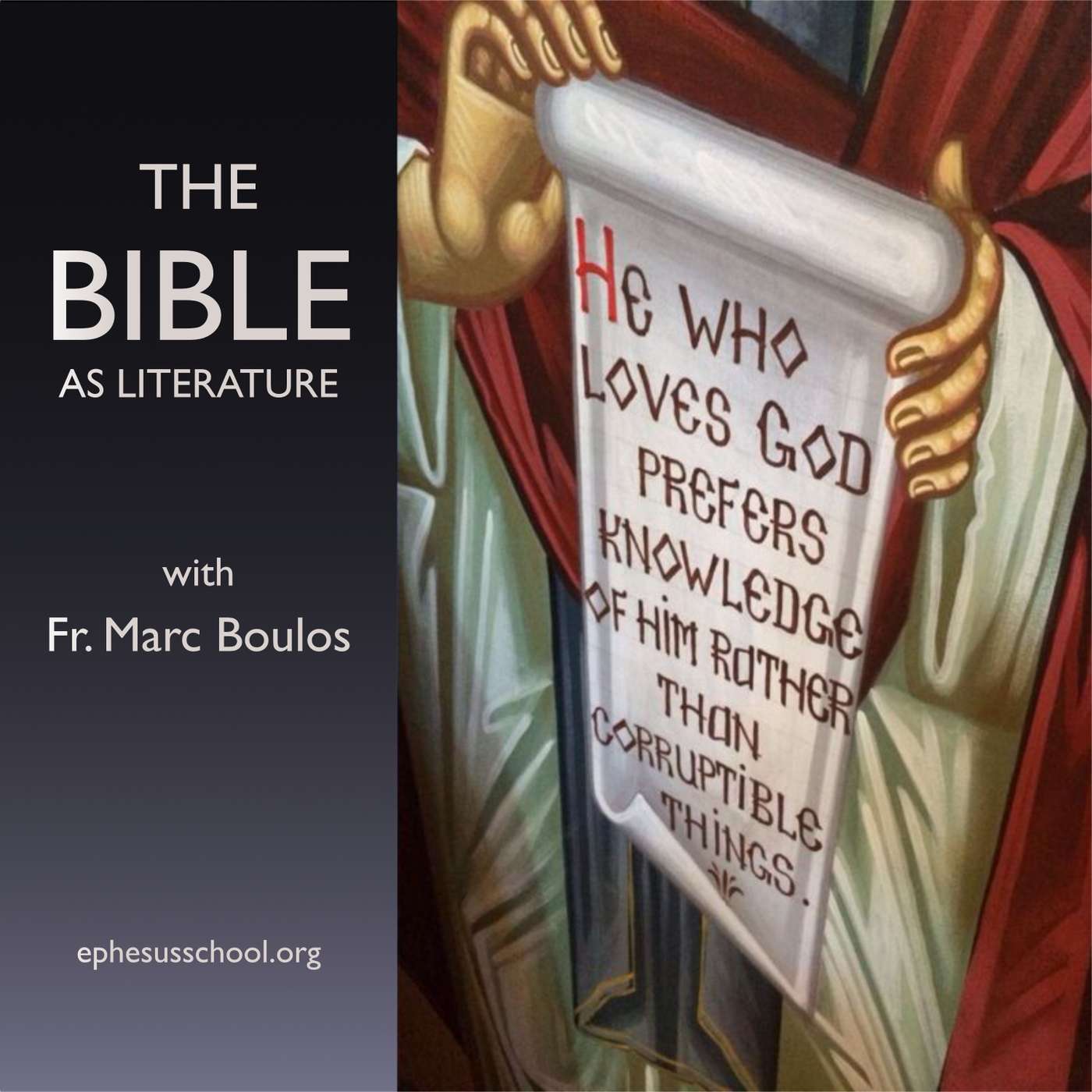
Ideological Entrapment episode artwork

EPISODE · Aug 24, 2017 · 24 MIN

Ideological Entrapment

from The Bible as Literature · host The Ephesus School

All ideology is self-referential: it begins with a desire for self-preservation and achieves fulfillment by exercising power. Whether we wield this power ourselves or ask others to wield it for us--because it is self-referential--it is always employed at the expense of others, especially those who are weaker than us. All ideology is self-justifying and therefore destructive, but the worst kind operates under the pretense of morality. We see this all the time in traditional and social media: If my idea is morally right, then I am right and I have the right to exercise might. So you go ahead and post that meme that shows how stupid or evil “they” are. You took a stand. You stood up for right. You feel good. Congratulations, you're a hypocrite. When the Pharisees and the Herodians approach Jesus to entrap him, they too operate under the pretense of morality. As the prophets proclaim, you cannot serve God and at the same time seek security from worldly powers. You have to make a choice. So they accuse Jesus with a question. But their question, itself preoccupied with self-preservation, pertains neither to the Prophets nor the Law. On the contrary, their false question concerns the one from whom they seek security at the expense of God's teaching: the Emperor of Rome. Richard and Fr. Marc discuss Mark 12:13-17. Episode 188 Mark 12:13-17; Subscribe: http://feedpress.me/the-bible-as-literature; “Truth in the Stones” Kevin MacLeod (incompetech.com (http://incompetech.com/)) Licensed under Creative Commons: By Attribution 3.0 License http:// creativecommons .org/ licenses /by/3.0/ ★ Support this podcast on Patreon ★

All ideology is self-referential: it begins with a desire for self-preservation and achieves fulfillment by exercising power. Whether we wield this power ourselves or ask others to wield it for us--because it is self-referential--it is always employed at the expense of others, especially those who are weaker than us. All ideology is self-justifying and therefore destructive, but the worst kind operates under the pretense of morality. We see this all the time in traditional and social media: If my idea is morally right, then I am right and I have the right to exercise might. So you go ahead and post that meme that shows how stupid or evil “they” are. You took a stand. You stood up for right. You feel good. Congratulations, you're a hypocrite. When the Pharisees and the Herodians approach Jesus to entrap him, they too operate under the pretense of morality. As the prophets proclaim, you cannot serve God and at the same time seek security from worldly powers. You have to make a choice. So they accuse Jesus with a question. But their question, itself preoccupied with self-preservation, pertains neither to the Prophets nor the Law. On the contrary, their false question concerns the one from whom they seek security at the expense of God's teaching: the Emperor of Rome. Richard and Fr. Marc discuss Mark 12:13-17. Episode 188 Mark 12:13-17; Subscribe: http://feedpress.me/the-bible-as-literature; “Truth in the Stones” Kevin MacLeod (incompetech.com (http://incompetech.com/)) Licensed under Creative Commons: By Attribution 3.0 License http:// creativecommons .org/ licenses /by/3.0/

NOW PLAYING

Ideological Entrapment

0:00 24:41

No transcript for this episode yet

We transcribe on demand. Request one and we'll notify you when it's ready — usually under 10 minutes.

Frequently Asked Questions

How long is this episode of The Bible as Literature?

This episode is 24 minutes long.

When was this The Bible as Literature episode published?

This episode was published on August 24, 2017.

What is this episode about?

All ideology is self-referential: it begins with a desire for self-preservation and achieves fulfillment by exercising power. Whether we wield this power ourselves or ask others to wield it for us--because it is self-referential--it is always...

Can I download this The Bible as Literature episode?

Yes, you can download this episode by clicking the download button on the episode player, or subscribe to the podcast in your preferred podcast app for automatic downloads.
URL copied to clipboard!