
EPISODE · Sep 4, 2026 · 48 MIN
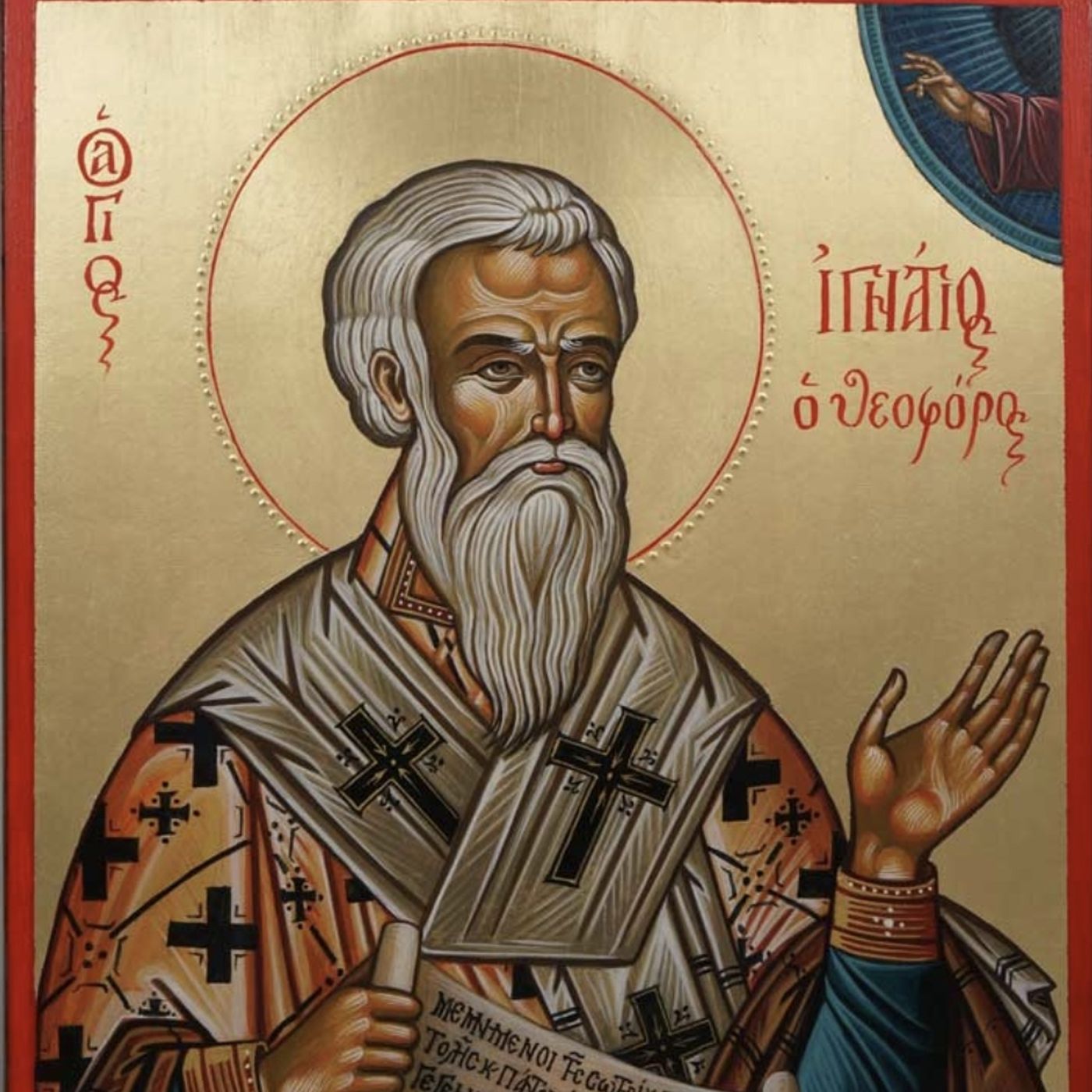
Ignatious of Antioch
from Walking the Land - 10 Days 9 Nights in Israel · host Andre Moubarak
Ignatius of Antioch Ignatius of Antioch lived approximately AD 35–107. According to early Christian tradition, he served as bishop of Antioch, one of Christianity's earliest and most important centers. He is often called Ignatius Theophoros (Ἰγνάτιος ὁ Θεοφόρος), usually understood as “Ignatius the God-bearer.” Ignatius belonged to the generation immediately following the apostles. Later tradition connects him with the apostolic generation, especially Peter and John, although we cannot historically demonstrate all the details later traditions give about these relationships. His Arrest and Journey to Rome During the reign of Emperor Trajan (AD 98–117), Ignatius was arrested and condemned. He was taken under Roman military guard from Antioch toward Rome, where he expected to be executed. This journey became extraordinarily important for Christian history because Ignatius wrote letters to Christian communities along the way. These letters provide one of our earliest windows into the organization, theology, worship, and struggles of Christianity in the early second century. Seven letters are traditionally accepted as authentic: EphesiansMagnesiansTralliansRomansPhiladelphiansSmyrnaeansTo Polycarp, bishop of Smyrna What Did Ignatius Teach? A central theme in Ignatius is unity. Again and again he urges Christians to remain united around the bishop, presbyters, and deacons. His writings therefore provide extremely important evidence for the development of the threefold ministry of bishop (ἐπίσκοπος), presbyters (πρεσβύτεροι), and deacons (διάκονοι). The Eucharist is also central to his theology. For Ignatius, Christianity was not merely a collection of ideas. The Church was a living community gathered around Christ, particularly expressed in the Eucharistic assembly. He also strongly opposed teachings that denied the genuine humanity and suffering of Jesus. Against tendencies later associated with Docetism—the idea that Christ only appeared to suffer—Ignatius insisted that Jesus was genuinely born, genuinely suffered, and genuinely died. The Famous Expression “Catholic Church” Ignatius is especially important because his Letter to the Smyrnaeans contains the earliest surviving written occurrence of the expression: ἡ καθολικὴ ἐκκλησία — hē katholike ekklēsia Here καθολικός (katholikos) carries the sense of “universal,” “according to the whole,” or “the whole Church.” Ignatius writes essentially: “Wherever Jesus Christ is, there is the catholic Church.” At this early date, we should be careful not simply to read all later denominational meanings of the word Catholic back into Ignatius. His emphasis is fundamentally on the whole, universal Church gathered in Christ. His Martyrdom Ignatius expected to die in Rome, traditionally by being thrown to wild beasts. His Letter to the Romans contains some of the strongest martyrdom language in early Christianity. He famously describes himself as: “God's wheat.” He imagines being ground by the teeth of wild beasts so that he might become the “pure bread of Christ.” The imagery reflects how deeply Ignatius connected martyrdom, imitation of Christ, Eucharistic imagery, and discipleship. Why Ignatius Matters for the Early Eastern Church For your students, Ignatius is especially important because he stands at a crossroads between the apostolic age and the developing institutional Church of the second century. He gives us evidence for Christianity moving outward from its Jewish and Jerusalem beginnings into the multilingual world of Syria and Asia Minor. Antioch itself was culturally complex: Greek was prominent, while the wider Syrian environment was deeply Semitic and Aramaic-speaking. Yet the surviving authentic letters of Ignatius are Greek, not Aramaic or Syriac. So Ignatius should be understood as an Eastern Christian bishop operating within a Greek-speaking literary environment while emerging from the Syrian Christian world. Simple conclusion for your students: Ignatius of Antioch was an early second-century Syrian bishop and martyr who helped define Christian thinking about Church unity, bishops, presbyters, deacons, the Eucharist, the real humanity of Christ, and martyrdom. His seven letters form one of our most valuable bridges between the New Testament Church and Christianity of the second century.
Embed this episode
Ready to play
Ignatious of Antioch
No transcript for this episode yet
Similar Episodes
No similar episodes found.
Similar Podcasts
No similar podcasts found.