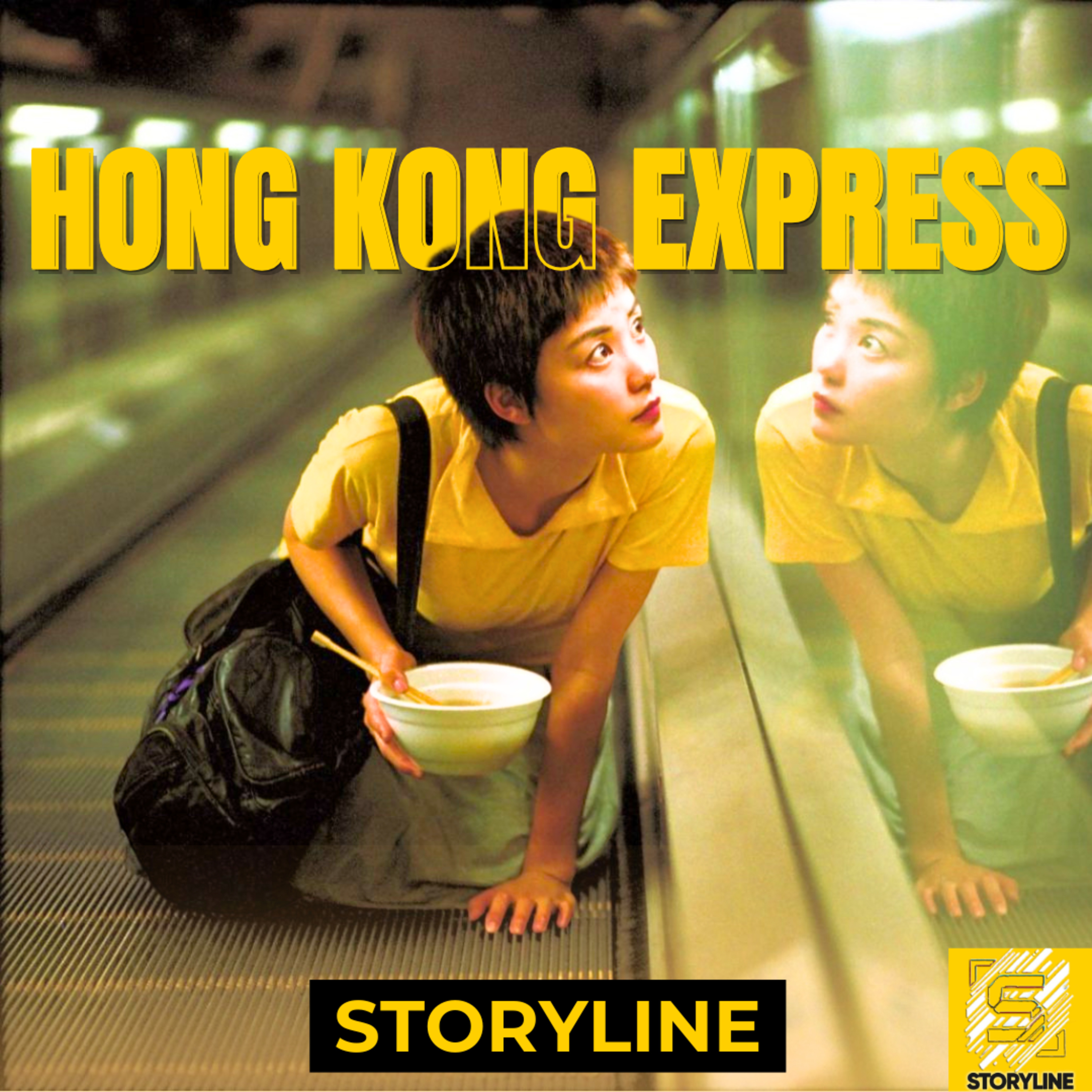
Il film che ha creato WON KAR-WAI episode artwork

EPISODE · Jun 30, 2026 · 27 MIN

Il film che ha creato WON KAR-WAI

from Storyline · host Gabriele Niola

Hong Kong Express nel 1994 ha trasformato Wong Kar-wai nel più grande regista d'autore di Hong Kong: girato in 23 giorni per liberarsi dalla lavorazione impossibile di un altro film, improvvisato ogni mattina, con dialoghi scritti la notte prima.Acquista "Fare film è un inferno": https://bit.ly/InfernoUTETWong Kar-wai era entrato nel cinema di Hong Kong attraverso la televisione e la collaborazione con Patrick Tam, uno dei registi chiave della New Wave locale. Il suo primo film, As Tears Go By, aveva già mostrato le ossessioni che lo caratterizzeranno, ma era ancora ancorato al racconto di periferia. Nel 1994 si trova nel mezzo della produzione di Ashes of Time — un wuxia epico e complicatissimo, in ritardo, fuori budget, senza fine in vista — e decide di staccare. Chiama Christopher Doyle, che stava lavorando su un altro set: tre giorni dopo Doyle è a Hong Kong, senza preparazione, e cominciano a girare. Ogni giorno si improvvisa tutto: le scene, i dialoghi (scritti da WKW la notte prima), le inquadrature. Doyle inventa le immagini ispirandosi al Feng Shui, alle luci al neon, a ciò che trovano per strada. Il film racconta due storie separate di poliziotti e relazioni mancate, girate nelle Chungking Mansions — palazzo caotico di Kowloon — e nei vicoli di Lan Kwai Fong. Sullo sfondo c'è il 1997: la restituzione di Hong Kong alla Cina si avvicina e quel senso di limite temporale attraversa ogni scena. Brigitte Lin — "la Greta Garbo di Hong Kong" — è alla fine della carriera. Faye Wong era la rockstar più famosa di Hong Kong. Tony Leung sarebbe diventato ancora più iconico grazie a WKW stesso, con In the Mood for Love. La tecnica dello step printing — più fotogrammi per immagine, otturatore aperto — crea quell'effetto di movimento sfocato e velocità alterata. Quentin Tarantino lo distribuì negli Stati Uniti e WKW divenne il primo regista d'autore di Hong Kong a diventare un mito per gli occidentali.─────────────────────────────🔔 Iscriviti per non perdere i prossimi video─────────────────────────────Storyline su IG: https://bit.ly/StorylineIGStoryline su TikTok: https://bit.ly/StorylineTK#cinema #wongkarwai #hongkong #hongkongexpress #chunkingexpress #film0:00 Intro: il film che ha cambiato tutto1:57 Come Wong Kar-wai è entrato nel cinema3:15 Il primo film: As Tears Go By4:14 Christopher Doyle: il coautore5:35 La crisi di Ashes of Time6:18 La decisione: facciamo il contrario8:07 Hong Kong Express e Angeli Perduti10:11 Il contesto: la restituzione di Hong Kong alla Cina nel 199711:56 Brigitte Lin, Tony Leung, Faye Wong16:19 Come è stato girato: improvvisazione totale18:20 Le Chungking Mansions20:12 La tecnica dello step printing23:23 Tarantino e la distribuzione negli Stati Uniti

Hong Kong Express nel 1994 ha trasformato Wong Kar-wai nel più grande regista d'autore di Hong Kong: girato in 23 giorni per liberarsi dalla lavorazione impossibile di un altro film, improvvisato ogni mattina, con dialoghi scritti la notte prima.Acquista "Fare film è un inferno": https://bit.ly/InfernoUTETWong Kar-wai era entrato nel cinema di Hong Kong attraverso la televisione e la collaborazione con Patrick Tam, uno dei registi chiave della New Wave locale. Il suo primo film, As Tears Go By, aveva già mostrato le ossessioni che lo caratterizzeranno, ma era ancora ancorato al racconto di periferia. Nel 1994 si trova nel mezzo della produzione di Ashes of Time — un wuxia epico e complicatissimo, in ritardo, fuori budget, senza fine in vista — e decide di staccare. Chiama Christopher Doyle, che stava lavorando su un altro set: tre giorni dopo Doyle è a Hong Kong, senza preparazione, e cominciano a girare. Ogni giorno si improvvisa tutto: le scene, i dialoghi (scritti da WKW la notte prima), le inquadrature. Doyle inventa le immagini ispirandosi al Feng Shui, alle luci al neon, a ciò che trovano per strada. Il film racconta due storie separate di poliziotti e relazioni mancate, girate nelle Chungking Mansions — palazzo caotico di Kowloon — e nei vicoli di Lan Kwai Fong. Sullo sfondo c'è il 1997: la restituzione di Hong Kong alla Cina si avvicina e quel senso di limite temporale attraversa ogni scena. Brigitte Lin — "la Greta Garbo di Hong Kong" — è alla fine della carriera. Faye Wong era la rockstar più famosa di Hong Kong. Tony Leung sarebbe diventato ancora più iconico grazie a WKW stesso, con In the Mood for Love. La tecnica dello step printing — più fotogrammi per immagine, otturatore aperto — crea quell'effetto di movimento sfocato e velocità alterata. Quentin Tarantino lo distribuì negli Stati Uniti e WKW divenne il primo regista d'autore di Hong Kong a diventare un mito per gli occidentali.─────────────────────────────🔔 Iscriviti per non perdere i prossimi video─────────────────────────────Storyline su IG: https://bit.ly/StorylineIGStoryline su TikTok: https://bit.ly/StorylineTK#cinema #wongkarwai #hongkong #hongkongexpress #chunkingexpress #film0:00 Intro: il film che ha cambiato tutto1:57 Come Wong Kar-wai è entrato nel cinema3:15 Il primo film: As Tears Go By4:14 Christopher Doyle: il coautore5:35 La crisi di Ashes of Time6:18 La decisione: facciamo il contrario8:07 Hong Kong Express e Angeli Perduti10:11 Il contesto: la restituzione di Hong Kong alla Cina nel 199711:56 Brigitte Lin, Tony Leung, Faye Wong16:19 Come è stato girato: improvvisazione totale18:20 Le Chungking Mansions20:12 La tecnica dello step printing23:23 Tarantino e la distribuzione negli Stati Uniti

NOW PLAYING

Il film che ha creato WON KAR-WAI

0:00 27:12

No transcript for this episode yet

We transcribe on demand. Request one and we'll notify you when it's ready — usually under 10 minutes.

Letter the Second

Jul 10, 2026 ·9m

Letter the Third

Jul 10, 2026 ·7m

Letter the Fourth

Jul 10, 2026 ·8m

Letter the Fifth

Jul 10, 2026 ·2m

Letter the Sixth

Jul 10, 2026 ·10m

Letter the Seventh

Jul 10, 2026 ·9m

light old radio maoshibo Pat Novak for Hire:Classic old time radio showing starring Jack Webb (1946, 1949) and Ben Morris (1947-48) as Pat Novak, a street wise guy who rents boats and anything else a good man pays a bad one to do.The Green Hornet:Classified as a juvenile crime drama but written and acted with more adult style than most of the breed, "The Green Hornet"---whose protagonist fought crime by infiltrating or even partnering (initially) with known criminal operations, which deceive police into believing him a wanted criminal himself---was the creation of George W. Trendle and Fran Striker, the brains and head writer behind "The Lone Ranger" (whose protagonist, according to storyline, was the great-uncle of Britt Reid, the heir who assumed control of the Daily Sentinel newspaper publisher and takes the crimefighting guise of the Green Hornet).Perry Mason:Perry Mason was a 15-minute show (including commercials, etc.) that aired five times a week. It ran from October 1943 to December 1955. S GSMC Classics: Young Widder Brown GSMC Podcast Network Young Widder Brown was a daytime radio drama series broadcast on NBC from 1938 to 1956. Sponsored by Sterling Drugs and Bayer Aspirin, it daily examined the life of "attractive Ellen Brown, with two fatherless children to support." The convoluted storyline focused on the efforts of Ellen, in her early thirties, to bring up her two children in the small town of Simpsonville, West Virginia, where she supported herself by running a tearoom, despite continual tragedies in her life. (Another source refers to Simpsonville as "a small Midwestern town."). Produced by Frank and Anne Hummert, this soap opera series opened with the theme music "In the Gloaming" as rendered by organist John Winters. Heard in the title role during the 18-year run were Florence Freeman (1938–54) and Wendy Drew (1954–56). Ellen Brown was romanced by Peter Turner (Bud Collyer) and Anthony Loring (Ned Wever). Ellen's children were Janey (Marilyn Erskine) and Mark (Tommy Donnelly).GSMC Classics presents some of the gre The Green Hornet! Old Time Radio Inception Point Ai "The Green Hornet" is a classic radio show that originally aired in the 1930s and 1940s, during the Golden Age of Radio. Created by George W. Trendle and Fran Striker, the series premiered on January 31, 1936, and became an iconic part of American radio entertainment.**Main Characters:**The Green Hornet, the alter ego of newspaper publisher Britt Reid, was portrayed by Al Hodge and later by Robert Hall. Britt Reid is a wealthy and influential figure in society, using his position to fight crime. His sidekick, Kato, played by Tokutaro Hayashi and later by Rollon Parker, is a skilled martial artist and mechanic. The dynamic duo takes on the criminal underworld, adopting the guise of villains to infiltrate and expose criminal activities.**Format:**"The Green Hornet" was a serialized radio drama, featuring weekly episodes that followed a continuous storyline. The show typically ran for 30 minutes and incorporated elements of action, mystery, and crime-solving. Unlik Dungeon Patrol Monsters of Roll The Dungeon Patrol Podcast is a weekly Dungeons and Dragons fifth edition actual play podcast where a group of five friends come together to slay imaginary foes and traverse fantastical realms. Using the framework provided by the core D&D 5E rulebooks, the friends battle, carouse, and level-up in a custom-built world called Athulas. Heavy on storyline, character development, and loot, the Dungeon Patrol podcast aims to provide fun and exciting adventures for fans of classic tabletop role-playing games.UPDATE: Season 1 is a self-contained story. Seasons 2&3 are a second story.

Frequently Asked Questions

How long is this episode of Storyline?

This episode is 27 minutes long.

When was this Storyline episode published?

This episode was published on June 30, 2026.

What is this episode about?

Hong Kong Express nel 1994 ha trasformato Wong Kar-wai nel più grande regista d'autore di Hong Kong: girato in 23 giorni per liberarsi dalla lavorazione impossibile di un altro film, improvvisato ogni mattina, con dialoghi scritti la notte...

Can I download this Storyline episode?

Yes, you can download this episode by clicking the download button on the episode player, or subscribe to the podcast in your preferred podcast app for automatic downloads.
URL copied to clipboard!