This podcast is an audio recording of a live event. It may reference visual material that cannot be represented in this recording. It may also contain strong language and adult themes. The opinions expressed in this podcast do not necessarily reflect those of ACMI. I'd like to start by acknowledging the traditional custodians of the land in which this event is taking place and acknowledge elders past and present. I'm Tracey Vieira. I'm the CEO of Screen Queensland. I'm absolutely thrilled to be here today and to be introducing Nancy Schwartzman.
So Nancy is a documentary filmmaker, a mobile app developer, and an impact producer, which I was thinking about last night, it's like the triple threat. And her work has been a real catalyst for social change. She's an innovator of award-winning technology, which has offered safety solutions for women in marginalised communities across the globe. She's the CEO and the creator of the Circle of Six mobile app, which was the winner of the White House's Apps Against Abuse Challenge. And if you haven't used it, I've downloaded it and it's really quite an incredible app. And one of the interesting things is, and she's going to talk about it, but one of the people I chose in terms of my Circle of Six was my brother who works in corporate banking. And he was so excited when he actually learned what it was that they're now talking about implementing that at the bank. So I think it's worth everybody making sure you have a look at that app. It's also been adapted recently to help undocumented immigrant youth following the 2016 election in the USA.
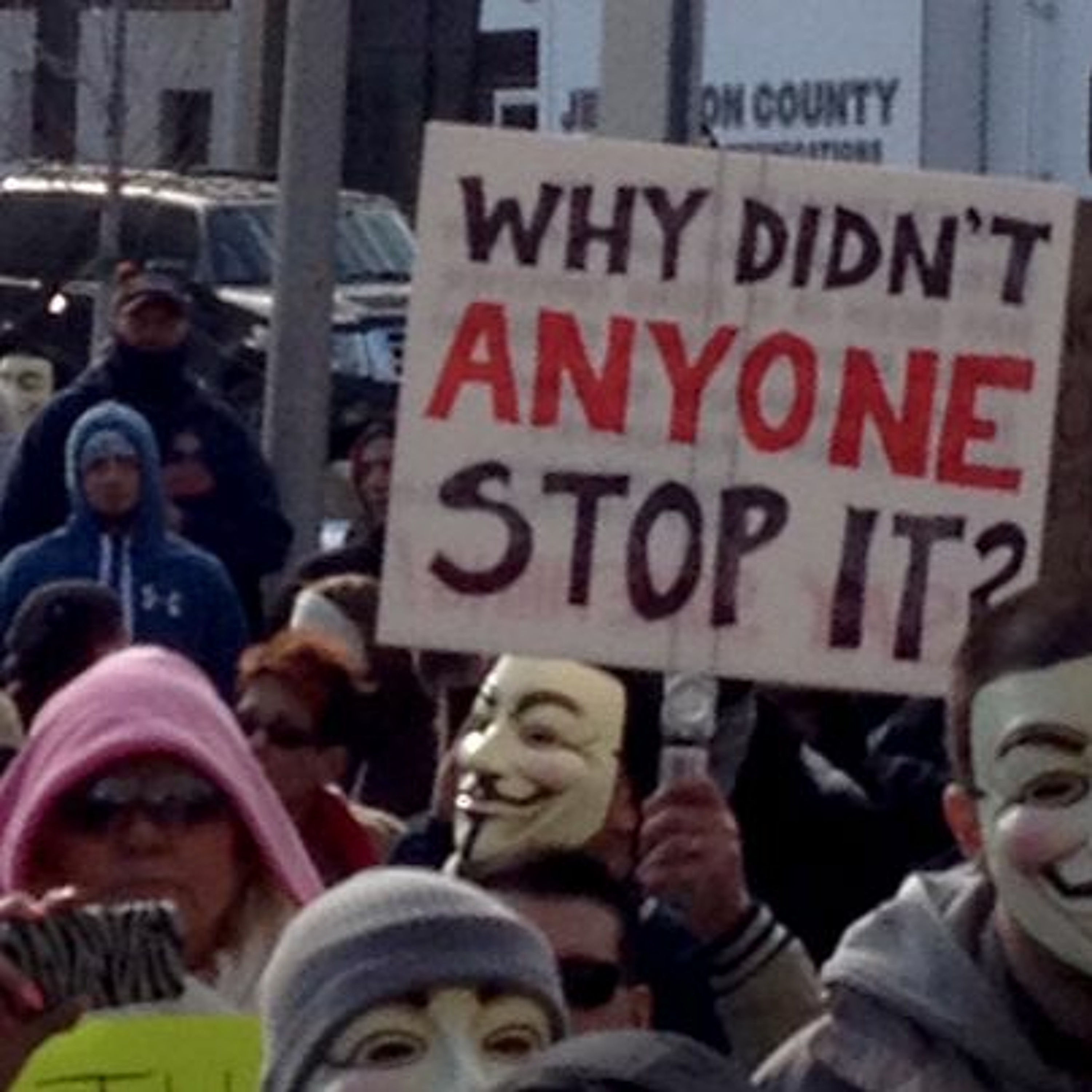
Now, most recently, Nancy's been directing a documentary called Roll Red Roll, which I'm sure she'll talk about a little bit today. And it's about a small town in America, a football town, and what happened in the aftermath of a high school rape which divided the community. Now, the town was rockbite and it got such big attention when Anonymous, the guy with the mask, took some of the footage from the perpetrators and used it on social media to really expose the footage they themselves took. Now, Nancy's first film, The Line, focused on sexual content and taught over 2,000 colleges and really was a catalyst in terms of social impact. As an impact producer for the Academy Award-nominated film, The Invisible War, she increased visibility for military sexual trauma and launched the Hashtag Not Invisible campaign for veterans and their allies. Nancy was also the impact producer on the film Girl Model, where she harnessed and collaborated with groups for a shift in labor laws for child models in New York State. So please welcome Nancy Schwartzman. Thank you. That was such a great intro. I feel like I can just be finished. You guys know everything. Cool. It's such an honor to be here, and I really appreciate the invitation and the opportunity to come and welcome to my talk, which has a really strong, serious title, Gender Attack and Resistance.
I wrote the description of this talk a few days after the U.S. elections. So I was especially panicked and paranoid about everything. I was panicked about our data. I was panicked about our privacy. I was panicked about our safety. I was panicked about our sanity as a country. I'm still paranoid and riding those waves, but it's now becoming clear this is a marathon and not a sprint. So I'm just especially happy to be so far, far away from home with you all here in Australia. So just a few housekeeping details. I've tried to make a few jokes throughout this talk. Several of you I've met at bars and parties have offered to laugh if I gave you guys a cue. Oh, good. I'm not going to give you a cue.
the queue was, so maybe it'll be like, that was a joke, you should laugh. If there's an animated GIF, you guys can feel free to laugh. Or throughout, feel free even if I don't queue you. Social media. Part of what my work is about is being mindful about social media. So I really welcome you. If you want to take pictures, if you want to tweet stuff out, quotes, whatever, I just ask if you're taking a picture of me and sending it out to like 80,000 of your followers, pretend I'm your friend and make sure I don't look deranged in the photo. That's actually totally not a joke. So yeah, please.
Awesome. Today I'm going to talk to you about a bunch of my projects ranging from civic technology work, film work, impact campaigns, and the mobile app that I built and its iterations. Basically, just to be clear, I wanted to kind of throw that out. That's a very basic definition and understanding of what we mean when we talk about gender versus sex. But the unifying thread throughout my work for the past 10 years has been sexuality, technology, youth culture, and justice. And when I say it like that, it sounds really exciting. And sometimes people think I build like feminist sex robots or whatever. That's not exactly the work that I've been up to these years, which I will get into. But that's been the thread through the past 10 years. Not always.
linearly or on purpose, but it's just sort of how it's shaken out. So I just want to give you a little bit of my background of kind of the cultural context in which I grew up and started doing work. So I went to college in New York in the late, late 90s. And as a professional, I started becoming a professional person, post-student, in this really shaky post-9-11 New York City. And I call this slide the cultural stew of shit. And this was basically...
the world we were in. While I was marching in demonstrations, protesting the various wars the United States was waging, I was also trying to figure out my identity as a young woman, as someone who was sexually empowered and sex positive, and living in this crazy time that was really, really confusing. Have any of you guys heard of purity balls? Oh, you're so lucky. The folks who know America know this thing. So while you have this whole thing going on, there was like a countdown to Britney Spears' losing her virginity where she's dressed as a schoolgirl and then suddenly she's like a dominatrix. You have Paris Hilton eating hamburgers in a bikini. And you have this thing that was going on where young girls are carrying the cross and pledging their virginity to their fathers who are going to safeguard their virginity until marriage. Meanwhile, you have like internet porn exploding all over the place.
What was really at the base of this massive problem was that there was no sex education in the United States. So this is what was informing young people, myself included, at the time. The narratives being sold to us about women and gender and sexuality were polarizing and hypocritical. All this is coming out, and it's like these campaigns of mass distraction. Like, don't pay attention to the war, and do this and do that and be this and be that. And it was really dangerous. It was dangerous for a few reasons. So this kind of became the narrative. So if I don't have sex with you, I'm a prude bitch if I use the pill.
Pardon my language, but we're past that anyway. I'm a slut. If I get pregnant, I'm an idiot. And if I choose abortion, I'm Satan. Right. So this is one way to be. And then I don't know if that kind of ironic sexism looks familiar to you, American Apparel. This was the other side of it. This was like the New York City scene where all this stuff was just internalized. And we were cultivating this understanding of sexuality that was steeped in rape myths and was putting a lot of pressure and blame on young people.
My early thesis at this time was based on very little scientific data or scholarly journals, but loads of personal experience and informal surveys. My thesis was this. If people talked about sex before having it, sex would be better for all parties involved. If young people were taught to articulate their boundaries by expressing themselves, what they want, what they don't want, get that on the table while they're still sober, hopefully, and definitely while they're still conscious, things would be safer. It would be more legal.
They'd be more equitable. And dare I say, they'd be more pleasurable. That's the other piece that was out of conversation was this idea of pleasure and a young person or woman experiencing that as being sinful. I know personal experience isn't always considered the most airtight data. And we as journalists and filmmakers are trying to parse between fact and truth. But I'm a strong believer that diving deep into your own personal experience is a good place to start investigating issues that you care about before expanding out more broadly. So I was basically obsessed with the topic of sex, safety and equity. Just to go a little bit more into abstinence only. Has anyone heard of abstinence only sex education?
You guys don't have it. So we have a current vice president now who's pretty much one of the architects of it. Abstinence only is that the only kind of sexual education that will be taught to young people in the United States that gets federal funding is if you teach children and kids to abstain from sex completely. And we know this just doesn't work. And it basically robs young people of information and creates a cloud of shame and ignorance.
The first film that I directed was called The Line. And it was really trying to push back on this idea of consent. How do we define a yes? How do we define a no? Who gets to decide? And where is that line? I was exploring this because of a personal experience I had. And also, I thought my community, my friends, people like me who went to college, we would have a better understanding of what these boundaries were. But actually, all of us were confused. All of us were perpetuating dangerous ideas of who's to blame if someone's assaulted, what the definition of rape is, and what we should do about it. At the time, this was like 2007, 2008, we desperately needed these conversations. Unfortunately, we still do. Getting this film produced, how many of you are trying to get this film?
get your first film produced right now. It's hard, right? It's your first film. No one trusts you. No one believes in you. You really have to prove yourself. So try making a film about sexual assault. It's your first film. You're in this climate. I mean, it was really, really challenging to get this film made. I had to prove a lot of things. The other piece of it was there was really edgy content. I filmed prostitutes in legal brothels in Nevada talking about consent. That's something nobody wants to hear about. I went to spring break, filmed kids going wild there. I filmed an interview with the man who assaulted me using a hidden camera. So all these things that really made the film as strong as it was, but trying to shop that around at the time was really difficult. It was a Film Thunder's nightmare.
it was institutional feminism's nightmare it was public school high school teachers nightmare like no one wanted to touch this except we found this incredible sweet spot on college campuses here is like young people this whole tons of them living the experience i was talking about in the film had so many questions they wanted their voices to be heard and they were angry and like i'm sure you all know the students are amazing at mobilizing they have tons of energy they're doing 17 things at a time and when they hook on to something they are going to push it and make it make it fly. So I knew this film had an audience and I pitched it to the Fledgling Fund, which is an amazing impact and outreach funders in the States. I don't know, do they fund internationally as well? Fledgling Fund are awesome. I encourage everyone to go take a look at the projects they've supported over the years. They took a big gamble. They said, well, you've proven that there's an audience. I was already using youth voices in the proposal for this project. And they helped bring it to life. We designed the film to spark dialogue. So I knew it needed a campaign that really harnessed youth voices and the early internet. One of the lessons I learned with that campaign was if you are going to pitch and work with young people, you have to have them design your campaign with you. So I made sure they, we used their slang.
their language, they framed it for us. Because it's a personal film and it's kind of particular, we had to really drill down and ask, figure out what is the heart of the film and how do we get people talking? So our first question was, where is your line? That was a question I wanted to ask the audience so that I could ping what was my story out to them and have them share. So we figured out a way to harness that while also protecting their privacy.
So we basically would kick off every screening, showing slideshows, encouraging people to say, look, you're free to talk about whatever you want. This film is going to bring stuff up for you. This is a platform and a forum for you to share your opinion, share what's going on. I love this one in the middle. It's a young man. Where's your line? I don't know. As a male, I didn't know I was allowed to have one. So men are being taught you're hypersexual. You don't need boundaries. You don't have them. I want to be a sexual being, not a sexual object. No one was asking these kids these questions, and they had so much to say about it. They've been sexually active throughout their teens, and this gave everyone an opportunity. They wanted to show their face they could. Most people didn't, but they felt seen and they felt heard.
We launched a blog. All of my writers were students, and they were brilliant. They're all now editing magazines you've heard of. They're really, really talented. I was a resident adult. I used the platform of this film, which is a high-level platform, to elevate their voices. We got on MTV. We did bunches of little web content that they built and designed with me. And we had this sort of at the time. It was called transmedia. I don't really know if that's still a term, but it was an early transmedia campaign.
So basically what was happening, what became clear through this campaign is that mainstream institutions that are trying to reach young people, especially around the issue of violence, weren't doing it. They weren't using media. They weren't using the right language. Our blog, our film, our screenings became a clearinghouse for these conversations. The line campaign was really designed to shift cultural understanding and shift behavior. We wanted to start dialogue, and I think we proved that we could. What was tricky is that there's no policy ask, per se. Obviously, my policy ask would be like, end rape globally. Let's do it. That's hard to do, right? I can't have a survey or a click here, a petition. You don't agree, of course. But how do we really measure?
You know, aside from basic metrics, which we measured screenings, how many people were at screenings, how many colleges have shown it, how many social media impressions, how do you go beyond that to tell the story of what your film has done? Do we want to say, well, you had 200 screenings and that's good, but if someone says your film changed my life and I've reevaluated how I behave in my intimate relationships, like I think that's as important as the number of screenings you had. So I kind of learned early on when you're doing these behavioral and cultural. conversations to get creative about how you capture them. So in the end, the line toured over 165 schools. We were in festivals all over the world, Hong Kong, Monrovia, India, Ankara. We were in 2,000 campus libraries. And this conversation got started at a really fortuitous time when Obama and Vice President Biden took office. And Biden spent eight years really promoting the voices of survivors. And we were cited by the White House and included in their resources. Initially, this was a project that no one wanted to touch. And it ended up being on White House's website, which has now been taken down by our current president.
So my next project, so from there, that was a very DIY, working with young people, kind of fast and loose project. From there, I was brought over to be the impact producer on The Invisible War. How many people have seen or know about The Invisible War? Awesome. I know it was here. It was a good pitch, Australia project. This film dealt with rape in the U.S. military, so kind of a very different demographic. It was trying to break taboo around what's called MST, which is military sexual trauma. At the time, this film came out in 2012. At the time, the U.S. military was...
uh mishandling these cases at worst um at best excuse me um covering them up and perpetuating them at worst um this campaign we had a few different goals so the film follows a bunch of soldiers in their journey to find justice in the u.s military There were some very clear policy goals. There's a reporting structure in the military where you have to report within your chain of command. The filmmakers had identified that as a huge problem, and they were going to work really hard to shift that. The other thing they wanted to do was launch a public media shaming campaign to cause so much attention that the U.S. military can't deny this problem, and they have to do something about it. So when your film is going to premiere at Sundance, and you have really high-power executive producers, and you're on MSNBC, suddenly the military can't ignore you anymore. So they really worked that angle strongly. Our other goal...
was to create more visibility around this issue and create more space to have conversations for those who were suffering. There were thousands and thousands of victims in the U.S. military who were rape survivors. They were men. They were women. They were active duty soldiers. They were veterans. They were suffering from post-traumatic stress from being in a war zone. And then a double war going on when you're raped in the field and you're raped in Afghanistan by one of your fellow soldiers. I mean, the trauma that these folks had gone through was really...
um enormous so for my job so i'm coming from the line campaign dealing with students speaking in slang like understanding this context and i'm brought into a very very very different context these are folks who actively enrolled in the military they tend to be more conservative they were certainly republicans many of them um they weren't interested in you know being particularly public about critiquing the military they believe in the military So I had to really do a lot of research and a lot of learning in terms of if I'm going to build a campaign, I'm not building it for these people, right? I'm building it with them. So what do they need? What's the right language? What's the right framing? I don't want to offend anyone. I want to create an opportunity to come together. So we built our first, we had two approaches. We built a community on Facebook. At the time, the demographic of Facebook was skewing to women over 40. So we decided to make it sort of a private, closed community with strong community guidelines. How many of you are familiar with community guidelines on websites and spaces?
awesome yeah i mean basically if you're on like let's say 4chan or reddit it's a free-for-all there are no guidelines you can do and say whatever you want and those tend to be really harmful um to various players, you know, they're not like friendly spaces to express yourself. So it's not that much fun to be a moderator of a space, but it's really important if you're trying to create trust. You want to say, hey, come here, you can talk here. We are going to boot you off if you behave this way. But it's about setting these sort of guidelines on like, here's how we expect you to behave. Please respect folks on here. So that community grew into the thousands. And at first I thought, oh, people are going to want to talk about current events on here. They didn't. So I was like, OK, whatever you guys want to talk about, we're going to let you guide it. We're going to make sure we're plucking people out that are not behaving well. And this is your space. We went to Twitter and opted to use a more journalistic approach, which was basically tweeting the facts and statistics that were presented by the US.
military so instead of so facebook was our like private conversation among veterans and survivors twitter was the public face of the film that was like here's what's going on in the u.s military so what i learned um on this campaign this was a big jump for my for my first project right so number one if you're challenging a powerful institution um use their public data so if i'm gonna go after the u.s military i'm not gonna make up numbers i'm not gonna like go to breitbart or some blog i read this no i'm gonna use numbers that the air force put out 25 000 reported rapes last year And that's vastly underreported, but that's what they're putting out. We're going to use that. So when they come to us and try to shut us down, which they did, we say, this was your public data. This is what I used. Different communities require different platforms. I think that's kind of self-evident, but I think we can forget that. Facebook was a great place for that conversation with a certain demographic. Twitter was very different. Co-designing is key.
So this is a big one, and I'm not exactly sure how Australian law works, but make sure you're indemnified. So impact producing was kind of like Lucy Goosey. I'm going to tweet. I wasn't necessarily covered by the production company. So if we had been sued, I would have been the one who took the fall and would have been sued for what happened there because I wasn't covered. I'm not sure if you guys are as litigious as we are. But essentially, make sure you're protected if you're doing work and creating content for a campaign and for a film, that you're protected under that umbrella and you're not loose and free hanging out ready to be sued by the U.S. military.
So in the end, this film did incredibly well with an Oscar nomination and high level political supporters. It had tremendous impact. They changed the way that rapes were reported in the military, destigmatized sexual trauma, and they taught all incoming soldiers for four years about bystander intervention and what is rape, how to recognize it, who's responsible. And they've done a really pretty impressive job really shifting the culture there. So moving on. Meanwhile, when things that were good happened at the White House under my favorite vice president. So Vice President Biden, he authored. So Vice President Biden authored the original.
Violence Against Women Act in the United States when he was a senator in the 90s. And this was an overarching set of laws and decrees around violence against women and protocols of how we prosecute that, et cetera. So when he became vice president, he reexamined what had happened in the communities he was working for. And most of the numbers had gone down. There had been a reduction in violence. Where the numbers had stayed the same or actually started to increase was with college students, kind of the bracket between 16 and 24. So what he decided to do was, I mean, basically, have any of you guys watched the show Veep?
So that's actually not a joke, that show. What it looks like inside some of those offices is truly what it looks like at the White House. Some of those computers are like that. Things are very, very, very outdated. So there was the Office on Science and Technology Policy, which is a very outdated, kind of dusty office. They decided, with this whole Silicon Valley attitude, to appoint a chief technology officer in the United States. And he was a very dynamic tech guy, CTO Anish Chopra. And they got together, CTO and vice president, to create a more innovative solution to challenge us as citizens to create an innovative solution to prevent sexual violence using mobile tech.
So that's how they launched the Apps Against Abuse Challenge. This wasn't the first time mobile technology had been used for public health, but it was the first time that anything like this had been made for sexual assault. So in the wrong hands, this kind of thing could go really wrong. You're making an app about rape. This was four years ago. You could use features that would be dangerous for users. It could be stigmatizing. It could be insulting. It took a really delicate hand.
And initially, I heard about this challenge, and I said, like, I'm not a mobile app developer. I don't write code. I don't know this scene at all. I don't think it's for me. But then I thought, well, if it's for folks who are in this age bracket dealing with this problem, what are some ways we've used online solutions? Like, what are ways to just migrate that to mobile technology? With the Lime campaign, I toured colleges for two years. I talked to young people. I knew how this stuff was going down. Because of the invisible war, I knew about the complexity of this issue in different kinds of contexts. And I also knew how to market scary ideas in a simple way. So I thought, you know, here's what we know, right?
crime works so we're not going to build an app that's going to save you from strangers on the streets because that's not going to work that's not what's going on with young people we know that young people if they're on a college campus they don't know who to call they don't know where to go um there's a lack of understanding so how can we destigmatize that and clarify that and then we had to examine what the limitations of mobile technology were and what the benefits so the benefits are everyone has a smartphone pretty much everyone uses sms messaging pretty much we got this data very easily from various surveys and studies um and we knew that You know, the advantage of an app is that it's simple and discreet and the disadvantage is that it's an app. It's not going to solve everything. It's not going to fix everything, but it's one way to get it done. So what we started with was the idea of a circle. So a circle of six, the first thing you do is it's called onboarding. You build the app and you choose your circle. So you pick six people. This is your crew. This is your gang. We're kind of going by what already goes on with folks. Like you have like young people go out at night. You have your group of people and you say, OK, don't leave this party without finding me. I have your back. If you don't find me, you know, the kind of things that young women sort of already do with each other. We wanted to kind of make into the tool.
that's your click and your crew and we wanted you to have that conversation i mean for you you use your father or your brother because you're in a different demographic but what happens is you already have the conversation before you're in a crisis right so if i download the app on a tuesday and i say oh i want you to be in my circle it starts a conversation of What does that mean? What does it mean to be accountable? Can I count on you at 4 o'clock in the morning? Do you have my back? I didn't know you even were facing these kinds of problems, but now I do, and it's a really good way to just have a de-stigmatized conversation broadly before it's 4 o'clock in the morning and you need to get home. So with the circle, those are your people. So it's one download, kind of ripples out to six people. You can do less, but we recommend six. And then there's three functions, and they're really basic. It's two taps. One is come and get me, I need help, and it sends out your GPS coordinates. One is call me, I need an interruption. The next one is I need to talk. So all of the texts go out, and they say send through circle of six. So if you get a message that says I need to talk, so college students send 150 texts a day, but if it's coming through circle
about this. They say, oh, I know exactly what it is that you want to talk about. So it's kind of cut through hundreds of text messages to really communicate that idea. We put in helpful links on sex ed, know your rights, stuff like that, and hotlines. Now, the cool thing, I'll show you guys what it looks like.
So the cool thing about technology is the appearance of neutrality. So I worked on two films at the time when we built this, and they were really complicated. One was, what are the nuances of consent? One was, how do you critique a military institution that I'm proud to be a part of? How do we get people in the room and have this conversation? The cool thing about this tool, and I was actually really surprised, is it just spread like wildfire. Republicans love it. Rural people love it. Churchgoers love it. Teenagers love it. Sex workers love it. It just cuts through really broadly.
People think technology in this app doesn't have a point of view, but it actually does. The links that I embedded in are amazing, inclusive, radical sex ed links. So you have an abstinence-only county in Virginia using this with 20,000 of their young people, and they're all getting really good, quietly embedded in sex ed. Don't tell them that. I hope they never watch this. But I was like, I'm glad you didn't click on the link and know what I've embedded into your tool. So there's a way that you can de-stigmatize an issue because an app is just suddenly a tool. It's a thing I'm going to use. But give it a point of view. Make it inclusive. And put your sort of radical fingers in there. Let's see. Let's see. Where are we?
I don't know. Right. So kind of the key to that was this idea of designing with and not for, which I learned in the Invisible War on the Lion campaign as well. But with technology, people get very excited about bells and whistles about new things that it can do. Like, oh, do you have a tracking feature? Put that into the app. That's actually super dangerous. That's dangerous for survivors. That's dangerous for people who are in abusive relationships that might want to name that. Our creative director is queer. He doesn't feel safe sometimes walking around at night. How do we make sure that this is inclusive for everyone? And feminist technology for me is really not collecting data, not using invasive data strategies, making sure that we are in dialogue with all the people we're trying to build for.
So another cool thing that I got to do, this app got tons of attention because we won the White House Prize. You get a press release sent out from the Obama White House and everyone's talking about it. But what was really cool is I got to use the mainstream media to educate. So every opportunity I got, Good Morning America, MSNBC, any of these blogs, I would say basically the following things that, you know, safety is a community effort. This app enables people to intervene. This is a way that young men can get involved in the solution. And we don't trust the police. I said, you know, the other thing that this is peer to peer and we never default connect you to the police. And until the police are safe and they're safe for me to call and they're safe and the legal system is safe for me to go through, we don't advise that ever. So that was unpopular when I went on Fox News. But I mean, I'm going to use the opportunity as much as I can to sort of push and promote beyond the tool more the politics of the issue at hand.
yeah our impact's been really cool um we have 350 000 users in 36 countries we spread i know we have a bunch of users in australia we built out a version in hindi with resources in new delhi india the air force recommends all of our cadets using the tool atlanta city of atlanta and as mentioned in the intro we are building it out to serve undocumented people who are being targeted by the trump administration so working with the code in that way So technology has a really long tail. You can make a film. You can finish it. People can access it. You can put it on a shelf, put it on iTunes, walk away, and it's done. You don't have to take care of it. The thing about technology is you do have to take care of it. You have to take care of it forever. There's a gross thing called code rot. Your code just starts rotting. It's so disgusting. That happens. The other thing, when you're building something quick and dirty, and you build the app and whatever, and you have one developer, and then he moves back to the Ukraine or whatever, and then this person. They're everywhere. We have developers. We've had three different developers.
They don't document. So if you're using developers, make sure they document. And document just means I'm doing a hack. I'm putting things together with a wire and duct tape. And I'm going to leave a sloppy post-it note, this is documentation, of what I did. Everyone has their shortcuts. There's a million ways to write code and build things. So make sure that whoever's building with you or for you, because you're not going to be able to understand what they're doing, is documenting it so that other developers that come in know what they've done. So I learned that really the hard way over the years. So documentation technology is a long tail. Your code rots. iOS and Android updates. There's 500 devices on Android that you're going to need to build for.
Everyone's going to get a Google phone soon. You're going to have to build on that. So the more things you build on, the more things you have to take care of and the more things that can go wrong. Debugging is basically a full-time job. It's like fixing all the bugs that pop up. The other thing I learned the hard way with this project, this amazing project with all this impact, the White House prize doesn't come with any money. So it was like, we're going to build this thing. We won. And then they're like, great, build it. And good luck getting funded. So I don't know what it's like in Australia. But in the US, we have this notion of the double bottom line, which is social good projects that you can sell that also do good. Silicon Valley in general doesn't care about human rights. And I'm going to say that.
over and over that's my new thing that i say in the media over and over again initially it was like don't trust the police and now it's like that um they don't care they don't care that like my return on investment with circle of six is that we've prevented sexual assaults that we create peace of mind that we help with post-traumatic stress that we are used by 350 000 people making their lives better they don't care So it's really hard to find. And if you're not willing to embed advertisements in your app for like sexy bras or tampons or whatever, whatever should be marketed in Circle of Six, which I'm not willing to do, obviously, and I don't want to charge my users, it's really tricky to make money. So you build something that people like and rely on. And then what do you do with it? You have to take care of it. It's on your shoulders to sort of keep it alive. The other piece that I think is really important, especially now, is this idea of metrics. We always had a pretty odious NSA. And now it's just gotten so much worse.
We could get really interesting stories from our users about how they use the tool, but it actually would put them at risk. So my job, and I think our job as impact producers and people who need to communicate with funders and funders, is to sort of redefine how we want to measure impact in this era where data collection is just really dangerous. You guys should all take pictures of that. Yeah. So with that said...
you know, how do we want to measure impact these days? Can we make the case that anecdotal evidence and stories are as useful as numerical impressions? I hope that we can because I'm not willing at this point with Circle of Six and all the work we're going to be doing with the undocumented, I'm not willing to collect any information that's going to put any of my users at risk. And I think we all need to be responsible and careful about what we ask people to do. If they're coming to a screening and it's a contentious topic, is it wise to report on the venue? Is it wise to report on the content? I think we just need to be...
Maybe I'm extra paranoid, but I think I am. Like, I think we all need to be a little more paranoid about what we're asking of the people that show up for the stuff that we're giving them. So I want to talk a little bit about my current film, which is called Roll Red Roll, as Tracy mentioned. How many of you all know the story of Steubenville, Ohio? Does that sound familiar to folks? A couple. Yeah, so.
This came to me, you know, sort of this like merging of all the stuff I'm interested in. It's one of the first, I think it is the first rape case in the United States to go viral. Anonymous got involved. There was a whole trove of social media evidence that these kids documented and used and boasted about. And this real ignorance, not just around rape culture and what is acceptable behavior and how to treat people and each other, but a real ignorance about social media. So you have these teenagers who are using social media like it's private, like it's their own private conversation. And it's totally not. It's completely public. And a blogger, this really kind of salty character, it's a character driven film. She's one of my main folks that I follow. Heard about the case, knew the town, he still lived there.
went online and grabbed all the social media content about it and saved it in this huge archive and that's really the core of a lot of the film um so really it's looking at how kids are using social media how young people are treating each other like rape culture is alive and well in this town it's live and well in the united states um but also this really interesting schism between the older folks in the town and the young people so this is like an old-fashioned brick and mortar town trying to live in the 50s everyone goes to church and boys are boys and girls are girls and The adults had no idea what their kids were up to and what their kids were doing completely publicly on all these platforms. So it's this real schism in understanding, you know, the 20th century, how the older folks are communicating and what they understand in the 21st century. So we have a lot of interesting plans for impact with this film. We're deep in the edit and looking for very wonderful, generous executive producers. If you guys are in the audience, let me know. It's a Bertha-supported film and Tribeca-supported film, etc. But we have big plans for the impact. Because it's teenagers, it's going to have a few different layers. The first layer will be using Circle of Six. That's easy, low-hanging fruit. Basically tweaking it a little bit for teenagers and trying to push it into...
um as many high schools and after school programs as possible and that's just really simple kind of normalizing prevention um the second layer is a bit more complicated because it's a town that was torn apart everyone knows each other it's 17 000 people um the boys that were involved are the big stars of town um the girl comes from a good family these are all good middle class kids who had never been in trouble before how do we repair? How does a town like this repair and acknowledge what happened here while acknowledging what happened to the victim, but also love each other and love the kids with accountability? So we're looking at restorative justice and transformational justice models and working with organizations that do this on the ground to bring, to create the opportunity at screenings to have a more involved and kind of circular experience with the film. The White House before it had the It's on Us campaign, which was about sexual violence as a community issue. And then they started these It's on Us towns. So we might look at their model and there's a not in our town model of how do you make a film become...
a town hall? How do you go from one screening to maybe five sessions within the town? How do you give folks a model for feeling and acknowledging what happened there? I think the film We'll see what happens in the town if I'm ever welcome back when the film is done. But yeah, I think it's an opportunity to have a reckoning and have real dialogue about what happened there and what happens in communities all over the United States. So that's the second layer. First layer, easy technology, circle of six. Second layer, kind of more complicated, more in-depth around screenings and healing, town hall type context. And then the third, and this is funded by Tribeca Interactive, is an immersive game role play experience. So I'm working on this with a game agency called Playmatics. And they do, how many of you have heard of live action role plays?
It's basically like the dorkiest thing. It's the darkest thing ever. And it's really cool. So this will be the kind of game that no kid really like volunteers to play necessarily. It's going to be in the classroom or after school programs. And Playmatics has a lot of success of building games and putting them in there. So it'll be about a 45 minute or 90 minute experience with a little bit of technology to kind of set up the game. It won't be specifically about sexual violence, but it'll be looking at peer pressure, bullying and giving kids an opportunity to play these various roles. And everyone's a teenager. Nobody plays a victim. Nobody plays a perpetrator. But the goal of the game is to be popular. So you win points for your popularity and your social connections. Essentially, we're asking people and giving them a safe container.
to examine peer pressure, to feel it viscerally because you want to win, but you also are going against your moral compass and to give people the opportunity to practice intervention. If something's going wrong, how do you stop it? What did you say about it? We're going to use social media. It's all within this very safe little container and the kids will have time to like journal about what happened. And I mean, they have to participate. I'm not assuming kids would like dive in and want to do this, but it's a great like two classroom experience that we're building. It'll be ready in about six months and we'll test it and see how it goes. But to really give people the opportunity to play this out where the stakes are high because everyone wants to win the game, but they're not so high that you're out of the classroom and you're in the world. So it's like a practice space.
So that'll be a more immersive, probably smaller experience of the impact. But as you can see, there's just like a bunch of different branches and ways that the film and what it talks about can be used. So in conclusion, I would say my work on a whole is really like about this. Just kidding. Oh, my God. We were talking about we can't wait for Game of Thrones to come back. Yes, all men must die, but we are not men. Just kidding. Feminism is not a zero-sum game, but really, you know, the next phase is about this. Helping each other up, lifting each other up, working hard, listening to each other, asking new and different kinds of questions, and building our work responsibly. So that's it. Yeah. I love the subtle side slide there to help us. No, I will not forget.
Well, thank you. That was fascinating. I could listen to you all day long, actually. Really interesting. So one of the things for me, because as a screen agency, we don't often get to work with impact producers, and I'm really interested at what point you actually are coming onto a production. Cool. Oh, yeah, that's fine. So I think it varies with different projects. With Invisible War, I think ideally...
You want the impact producer to come in early, not five weeks before Sundance, which is when I came on Invisible Horror. So we didn't sleep for those five weeks. But Girl Model, I came on pretty late as well. I think it's best to come in sort of midway or midway towards the end. I mean, there's some philosophy that says, oh, you need to be right there from the start and shaping the storytelling. I actually don't agree as a filmmaker. I know what I want to say with my film or I learn along the way. I know who my audience is. And so I shape that. And the campaign should be shaped to serve the film. So I wouldn't want a kind of heavy-handed approach diving into the storytelling.
But I do think it's helpful for an impact producer not to be plucked on right three weeks before the festival premiere. So maybe a couple of months before the film is out. So we have time to get a sense of the landscape and meet the people and understand and then build a campaign. And I'm interested, too, in terms of measuring that, because obviously the film has its own life. And, you know, in particularly, you know, when I think about something like the line where you went to 2000 colleges. So first of all, how do you measure that impact? And secondly, is there a time that you stop doing that measuring? And is there a time when you have to walk away from that campaign? Oh, there's definitely a time to walk away from campaigns.
You know, I didn't get to talk about this earlier project that I did, but there's something really valuable about documentation. If something needs to die, if you've built something, it's had a wonderful life, and now you need to put it to rest, do that with elegance. You know, it's sort of like, okay, I built this thing. Here's what I learned. This is very, like, tech community does this. I built this thing. Here's what I learned. Here's what worked. Here's what didn't work. And I understand that it's hard to be always honest about what doesn't work. But it's really useful, and we have to be able to have those conversations about what was a failure, or else none of us are going to learn, and we're all going to pretend that it's, like, easy, and we've never had a problem. So the kind of documentation on ending a project, I think, is so valuable. What worked, what didn't work, and now we're going to put it to rest
little piece of writing or this blog post or whatever. Oh, and your question was the other piece of it was about the metrics piece. Yeah, I think I'm still figuring out now how we're going to measure success and how we're going to measure metrics. Obviously, policy changes are nice and clear and wonderful. But how long should we track them? Should we track the results of the policy change three to five years down the road? We were talking about this yesterday. Technology changes all the time. So I've had governmental organizations say, oh, have you done a 10-year study on Circle of Six? And where's it going to be in 10 years? 10 years, it's not going to be a mobile app. It's going to be embedded in my face or whatever. We're not going to be using those tools, right?
I think it's up to us as well to be an honest dialogue with our funders to say, let's really think critically about how we want to measure this stuff. A, what is safe? And it's our job. If they're not up to speed on what's safe for your users, you need to get up to speed on that and present, look, I can't give you those kinds of metrics because it's putting my users in danger. Or if you're doing controversial screenings, keep that quiet and be part of educating them on what feels safe and good for you to do and maybe collaboratively determine how you want to measure success. And I think that changes for every project. Absolutely. Now, I want to open it up for questions. So if you have a question, can please raise your hand? Yes, down the front.
I was just interested in the research that you do before you develop impact apps and games and things, just particularly on the last one that was going to be in schools. You said the outcome was, well, the aim of the game was to get as many popularity points as possible. But how do you know that that's what drives kids in terms of? what they want yeah I mean how that it what was cool how the interactive idea came about was I built those cards and they were sort of my business cards at various pitch forums and initially I was like oh this could be a game like make a cool object and see how people respond to it so really early on those were my business cards and on the back it was like because everyone in my film has reached a fork in the road everyone in my film had to make a decision that was not an easy decision that's why you know crime and there's no good and bad right We know who's bad. I've mentioned him a few times during this talk. But in general, things are more nuanced, right? So I was really interested in forking narratives as just a base, looking at my film, right? So then I needed cool business cards, and I needed to prompt that question. And so on the back of those cards was like, OK, so you're a football player, and your team's doing really well, and there's a party, and your friend's doing something that you know isn't good, but you don't want to be a snitch. What do you do? So I'd use that for funders. I'm like, what do you do? What do you do? You're the girlfriend, blah, blah, blah. You're the coach. And so I built these kind of really thumbnail scenarios. Everyone loved them. They're like, oh, these are the coolest cards ever. Your film's going to be great. Are you building a game? You know, it's like.
teasing an idea at first. And then we realized, oh, this has legs. People are interested. And then I teamed up with a game agency. They're totally in charge of like what they call game mathematics and mechanics. So we're going to test popularity. Is that going to drive? That's his hunch, my game developer. He's like, my hunch is this. And the other thing, we were sort of talking about this yesterday in terms of failure and testing. Like if you test, if you build small and test and tweak, build small, you know, you can't really fail, right? Because then you're just like, is this working? No. Okay. So don't build this huge expensive thing and roll it out without testing it. So we'll see if it works. You know, we're just in the testing mode. Great. Another question down the front.
Hi. I served in the Australian Army for nine years as an officer. And my question is, what challenges did you face when you were documenting and seeking access to the U.S. military when you were conducting your interviews? Well, I didn't make that film. So that was the filmmakers challenge. So I was impact producer on the film and the film had already been shot. So they got access, I think, because.
Yeah, I'm not exactly sure I can answer that question, but they have PR. They have these external-facing people that are like, we're here to answer you. We're just going to read statistics for you. And the context that those interviews were set in were so damning that probably the U.S. military wouldn't have said yes if they knew how the film was going to be constructed. But what I did know that the filmmakers took very, very seriously was the journalistic integrity and making sure all the facts were their facts. So we didn't have a problem getting there. And what was interesting, Circle of Six kind of launched at the same time. So my app is being used on military bases while I'm also working on a film that's totally critiquing the military. It was like this kind of interesting crossover.
There's another question up here. Thank you. Yeah, thanks, Nancy. That was great. I've noted in recent years, really, that there's some very prominent right-wing documentarians in the US. Some of them now have very senior positions in the Trump administration. And I noticed how the Trump campaign has been using some of the anti-Obama documentaries and others and seem to have their own impact strategies as well. And I'd love to hear your thoughts on that sphere. And it's probably not many of us here would have any contact or knowledge of that sort of right-wing, far-right, alt-right documentary space. Have you got any insights into that?
you know it's funny there was this really funny meme going around oh my god I'm blanking on her name thank god Kellyanne Conway was a failed comedian Steve Bannon was a failed documentary filmmaker two of them others are failed artists and they were like lesson support the arts like if only they had stayed if she had stayed a comedian and he so Bannon was a failed documentary filmmaker yeah I mean and this whole idea of like fake news and organizing and I feel very fortunate that we have Michael Moore in our corner right now. I would say like five years ago, I was like, oh, I'm not really into this leftist propaganda. Like I'm not in the mood for his film and da-da-da and the way he is. But following the election, he's like, oh my God, I need to hear this so badly. Like I need your energy. I need your anger. I need your propaganda, right? So we like to make nuanced, sensitive projects that build bridges and get everyone in the room and we don't want to piss anyone off. You know, we have to be so sensitive and like they don't care. They're like scorched earth propaganda. So do we need more people making lefty propaganda? Maybe. One thing that I would say about, you know, the fascists or whatever.
Alt-right folks and evangelicals. Like, Vice President Pence is a very, very savvy politician. He was governor of Indiana. He came up with this army of evangelicals. So all of us in the United States who are like, geez, do we have to do work on nights and weekends that don't pay the bills to, like, make this world a better place? It's like, yeah, you do. Those kids, they're armies. They're volunteering. They're out. They're marching. They're knocking on doors. They're doing all this sweat equity because they're united under, like, an insane version of God or whatever. They can unite much easier than we can. But I think there's, like, this new consciousness around.
We have to do more work and no one's going to pay us for it, unfortunately. Right. So we have our day jobs and we have our hobbies and activities. And then we have to give about 10, 10, 15 hours a week to do political work to combat this. So I think we make amazing television. And I think Hollywood hopefully is going to step up and like use their propaganda machine. We're talking about hidden figures, which I think maybe for an Australian audience might be very Disney. But it's great. It's bubblegum. It's like what we need. We need those stories. We need them for eight year olds. We need the Michael Moore. We need all of it. You know, so I'm just like hoping that we'll make radical counter, all different kinds of radical counter narratives to fight.
how they're fighting. So sorry, guys, we are out of time, but please join me in thanking Nancy for an incredible session. Thank you. You have been listening to an Acme podcast. For more recordings, go to soundcloud.com slash Acme online or the Acme website.