
EPISODE · Aug 12, 2025 · 24 MIN
Implantable Loop Recorders (ILRs) in the Investigation of Syncope, Cryptogenic Stroke, TIA, and Transient Global Amnesia
from The Naked Heart · host eleatham
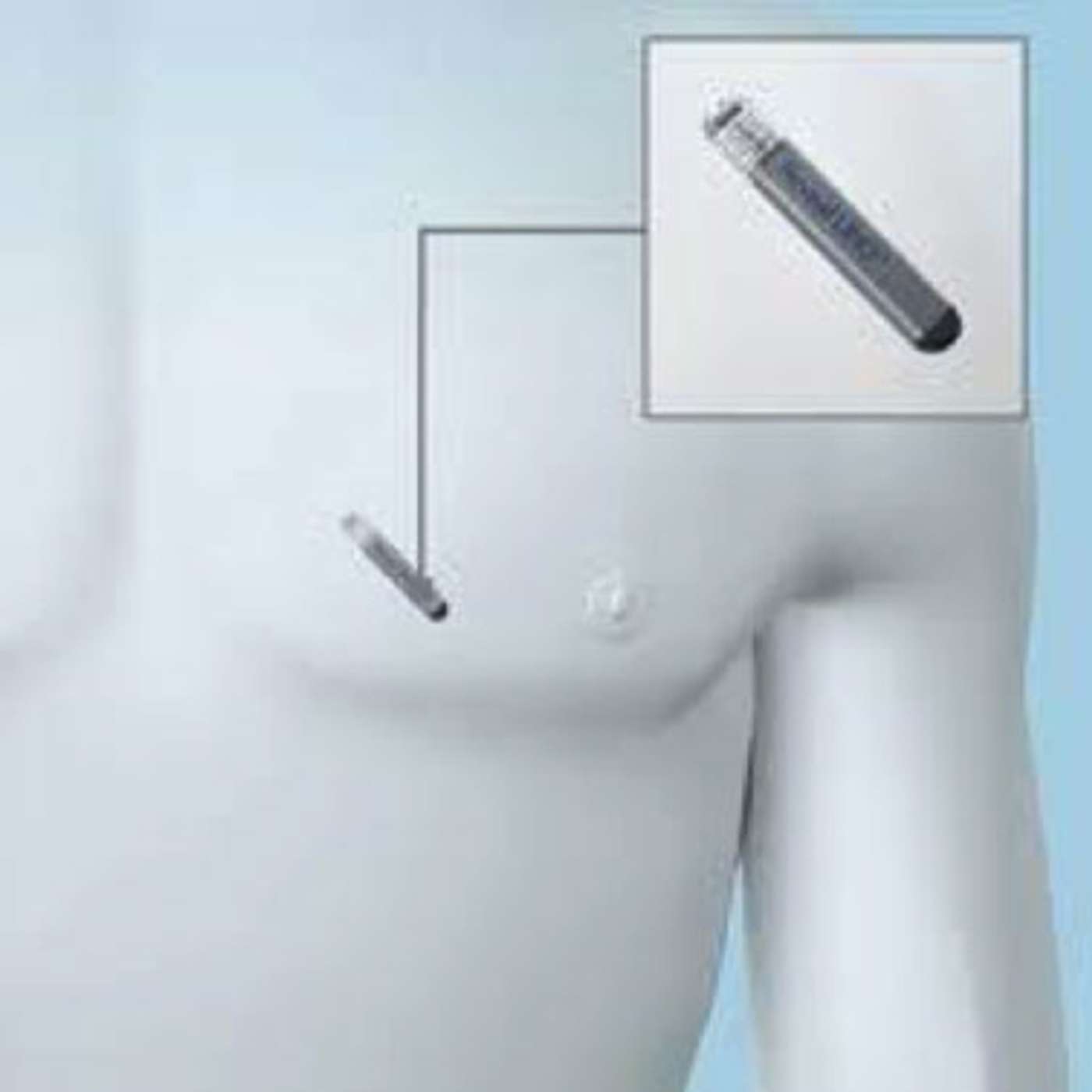
How an ILR Works An ILR is a matchstick-sized device implanted under the skin of the chest, usually under local anaesthetic in a brief outpatient procedure. Once in place, it continuously monitors the heart’s electrical activity, storing recordings of any abnormal events it detects automatically or when triggered by the patient using a handheld activator. Modern ILRs have: Automatic arrhythmia detection algorithms Wireless home monitoring (transmitting daily summaries to the cardiology team) Battery life of 2–4 years MRI-compatibility in most cases When to Consider an ILR An ILR may be recommended if you: Have unexplained syncope with inconclusive standard tests Have had a cryptogenic stroke, TIA, or TGA, where AF is suspected but not proven Have infrequent but concerning palpitations that evade short-term monitoring Have suspected intermittent AV block or sinus pauses Full blog article
Embed this episode
NOW PLAYING
Implantable Loop Recorders (ILRs) in the Investigation of Syncope, Cryptogenic Stroke, TIA, and Transient Global Amnesia
No transcript for this episode yet
Similar Episodes
No similar episodes found.
Similar Podcasts
No similar podcasts found.