PodParley PodParley

In conversation with William Dalrymple

William Dalrymple is in conversation with Meera A…

An episode of the Experience ANU podcast, hosted by Experience ANU, titled "In conversation with William Dalrymple" was published on October 30, 2019 and runs 51 minutes.

October 30, 2019 ·51m · Experience ANU

0:00 / 0:00

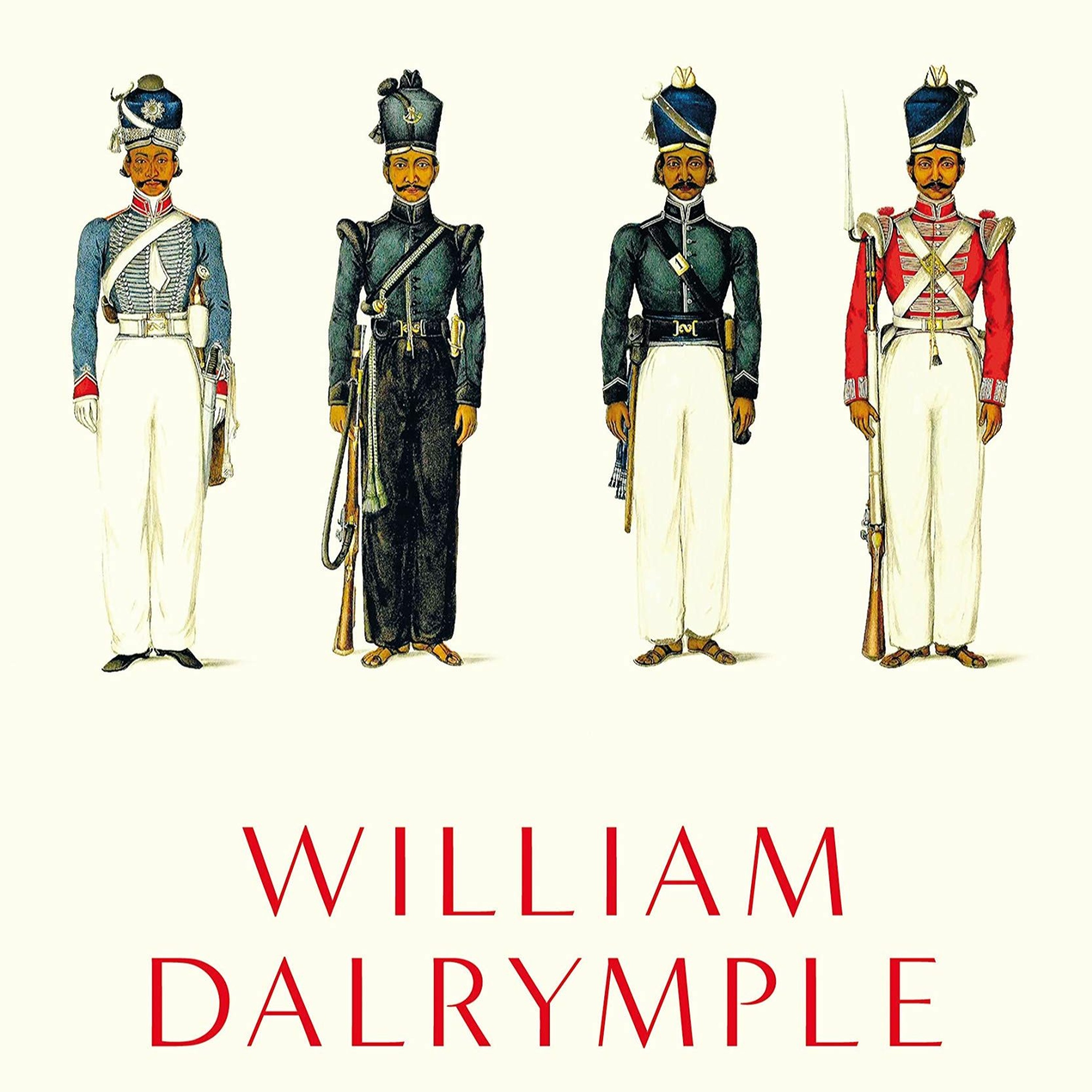
William Dalrymple is in conversation with Meera Ashar on William's new book, The Anarchy. The Relentless Rise of the East India Company. In his most ambitious and riveting book to date, The Anarchy, William Dalrymple tells the timely and cautionary tale of the rise of the East India Company, the first global corporate power. In August 1765 the East India Company defeated the young Mughal emperor and forced him to establish in his richest provinces a new administration run by English merchants who collected taxes through means of a ruthless private army - what we would now call an act of involuntary privatisation. The East India Company became something much more unusual: an aggressive colonial power in the guise of a multinational business. In less than four decades it had trained up a security force of around 200,000 men - twice the size of the British army - and had subdued an entire subcontinent, conquering first Bengal and finally, in 1803, the Mughal capital of Delhi itself. The Company's reach stretched until almost all of India south of the Himalayas was effectively ruled from a boardroom in London. 'Dalrymple is a superb historian with a visceral understanding of India ... A book of beauty' - Gerard DeGroot, The Times "[A] rampaging, brilliant, passionate history ... Dalrymple gives us every sword-slash, every scam, every groan and battle cry. He has no rival as a narrative historian of the British in India ... A gripping tale of bloodshed and deceit, of unimaginable opulence and intolerable starvation ... shot through with an unappeasable moral passion" - Wall Street Journal

William Dalrymple is in conversation with Meera Ashar on William's new book, The Anarchy. The Relentless Rise of the East India Company. In his most ambitious and riveting book to date, The Anarchy, William Dalrymple tells the timely and cautionary tale of the rise of the East India Company, the first global corporate power. In August 1765 the East India Company defeated the young Mughal emperor and forced him to establish in his richest provinces a new administration run by English merchants who collected taxes through means of a ruthless private army - what we would now call an act of involuntary privatisation. The East India Company became something much more unusual: an aggressive colonial power in the guise of a multinational business. In less than four decades it had trained up a security force of around 200,000 men - twice the size of the British army - and had subdued an entire subcontinent, conquering first Bengal and finally, in 1803, the Mughal capital of Delhi itself. The Company's reach stretched until almost all of India south of the Himalayas was effectively ruled from a boardroom in London. 'Dalrymple is a superb historian with a visceral understanding of India ... A book of beauty' - Gerard DeGroot, The Times "[A] rampaging, brilliant, passionate history ... Dalrymple gives us every sword-slash, every scam, every groan and battle cry. He has no rival as a narrative historian of the British in India ... A gripping tale of bloodshed and deceit, of unimaginable opulence and intolerable starvation ... shot through with an unappeasable moral passion" - Wall Street Journal
Interviews with Anupama Chopra Film Companion Anupama Chopra is a film critic, television anchor and book author. She has been writing about Bollywood since 1993. Her work has appeared in publications such as The New York Times, Hindustan Times, The Los Angeles Times and Vogue (India). Here you can find all of her interviews and conversations with Bollywood and Hollywood's leading actors and filmmakers. In short, everything you need to enhance your cinematic experience.Millions of listeners seek out Bingepods (Ideabrew Studios Network content) every day. Get in touch with us to advertise, join the network or click listen to  enjoy content by some of India's top audio [email protected] | Apple LJ Audio Yoga lawrence jay Experience transformative yoga with international instructor Lawrence 'LJ' Jay, now on Spotify. Trained in Vinyasa and Anusara, LJ also offers 'Cranial Yoga' and 'Somatic Slow', unique styles enhancing parasympathetic connectivity and emotional awareness. From Canada to Bali, his teachings span continents and styles. Tune in for a blend of traditional and innovative yoga, designed to guide you towards improLawrence stands as one of the most diverse yoga teachers on the planet, proficient in the dynamic sequences of Vinyasa Flow, and a certified Anusara teacher. Beyond these traditional styles Taittriyaka Upanishad by Unknown Loyal Books The word Upanishad (upa-ni-shad) consists of, "Upa" means "near;" "ni" means "down;" "shad" means "to sit." Thus, Upanishad is to sit down near the teacher to discuss, learn, practice, and experience. There are some 200 or more Upanishads. Some are lost and are only known about because of being referenced in other Upanishads. Most of the Upanishads were kept secret for centuries, only passed on to others orally in the form of Shloka (a category of verse line developed from the Vedic Anustubh meter).Taittiriya is a Sanskrit word that means "from Tittiri". The root of this name has been interpreted in two ways: "from Vedic sage Tittiri" or a collection of verses from mythical students who became Tittiris (birds, partridges) in order to gain knowledge.This Upanishad is divided into three sections called Vallis: Siksha (Pronunciation /Instruction) Valli , Ananda (bliss of Brahman) Valli , and Bhrigu (son of Varuna, the god of all water elements) Valli.The chronology of Taittriyaka Upanish Katha Upanishad by Unknown Loyal Books The word Upanishad (upa-ni-shad) consists of, "Upa" means "near;" "ni" means "down;" "shad" means "to sit." Thus, Upanishad is to sit down near the teacher to discuss, learn, practice, and experience. There are some 200 or more Upanishads. Some are lost and are only known about because of being referenced in other Upanishads.Most of the Upanishads were kept secret for centuries, only passed on to others orally in the form of Shloka (a category of verse line developed from the Vedic Anustubh meter).Katha-Upanishad is one the 11 principal Upanishads. Its chronology is contested as being between fifth century BCE and 1st millennium BCE.Katha (Sanskrit: कठ) literally means "distress". Katha Upanishad uses words that symbolically embed and creatively have multiple meanings. For example, a closely pronounced word Katha (Sanskrit: कथा) literally means "story, legend, conversation, speech, tale". All of these related meanings are relevant to the Katha Upanishad.The text presents Death as the T
URL copied to clipboard!