Indigenous access, political ecology in settler states episode artwork

EPISODE · Oct 22, 2022 · 59 MIN

Indigenous access, political ecology in settler states

from Berkeley Talks

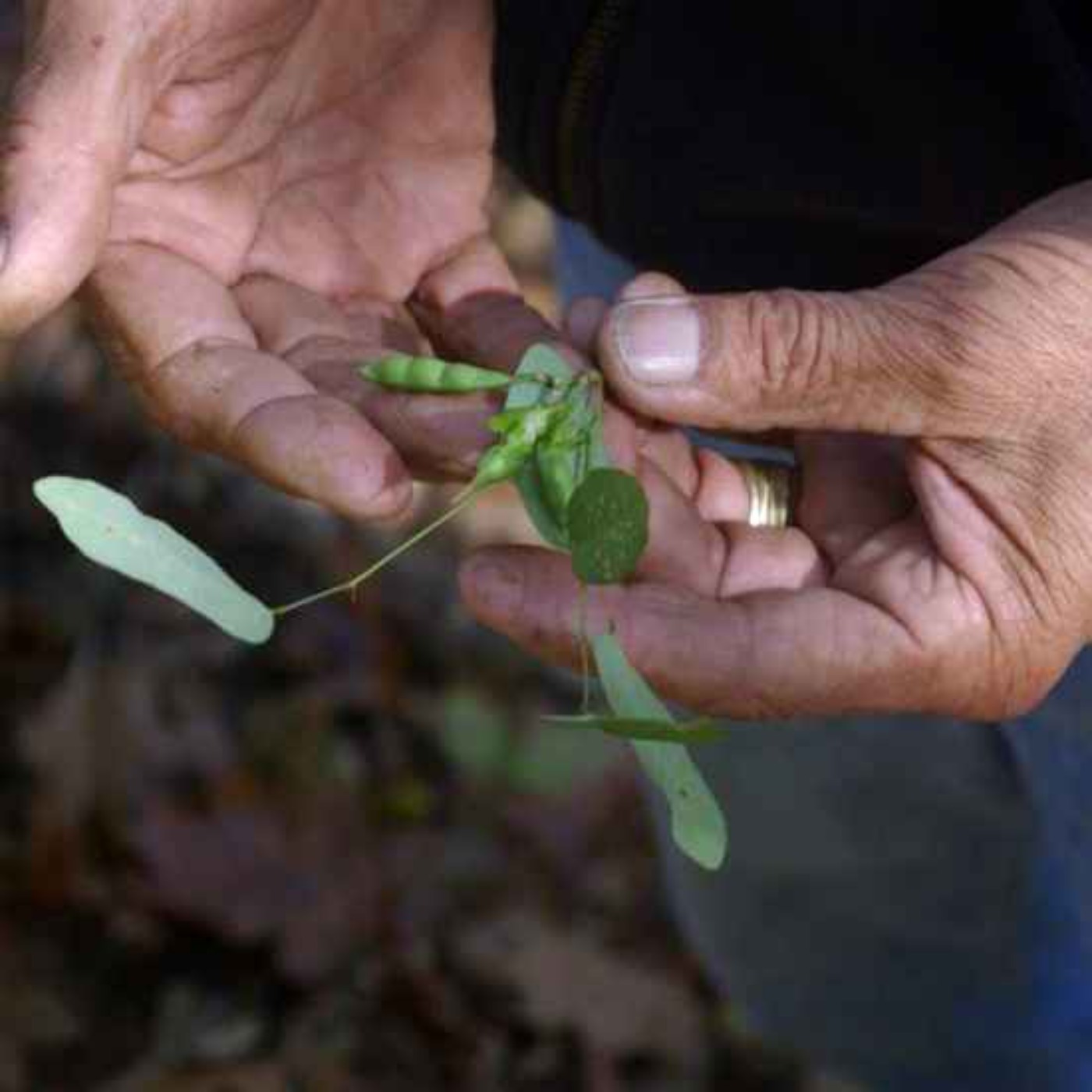
Clint Carroll, an associate professor of ethnic studies at the University of Colorado Boulder, and a citizen of the Cherokee Nation, gives a talk called "Reuniting with Our Lands and Waters: Indigenous Access and Political Ecology in Settler States.""The early periods of what is known as the U.S. Federal Indian Policy are defined in terms of the specific type of dispossession they entailed," begins Carroll, author of the 2015 book Roots of Our Renewal: Ethnobotany and Cherokee Environmental Governance. "While the removal era of the 1830s forcibly relocated tribes hundreds and thousands of miles from their traditional homelands, the creation of reservations beginning in the mid-1800s also entailed numerous relocations via treaties and land cessions."The early U.S. conservation movement, coinciding roughly with the establishment of Indian reservations, excluded Native peoples from former hunting-and-gathering areas in the name of wilderness preservation," Carroll continues. "The allotment era, from about 1887 to 1934, broke up Indigenous systems of communal land ownership and opened Native lands to speculators in the market. Since this time, access has become a principle issue for Native peoples — specifically, the ability to access lands and waters through which to enact culturally sustaining practices and ceremonies that are tied to relations of reciprocal care."This Sept. 22 UC Berkeley event was sponsored by the Joseph A. Myers Center for Research on Native American Issues, part of the Institute for the Study of Societal Issues. It was co-sponsored by the Native American Studies Program, Native American Student Development, the American Indian Graduate Program, the American Indian Graduate Student Association and the Department of Environmental Science, Policy and Management.Read a transcript and listen to the episode on Berkeley News.Music by Blue Dot Sessions.Photo courtesy of Clint Carroll. Hosted on Acast. See acast.com/privacy for more information.

Clint Carroll, an associate professor of ethnic studies at the University of Colorado Boulder, and a citizen of the Cherokee Nation, gives a talk called "Reuniting with Our Lands and Waters: Indigenous Access and Political Ecology in Settler States.""The early periods of what is known as the U.S. Federal Indian Policy are defined in terms of the specific type of dispossession they entailed," begins Carroll, author of the 2015 book Roots of Our Renewal: Ethnobotany and Cherokee Environmental Governance. "While the removal era of the 1830s forcibly relocated tribes hundreds and thousands of miles from their traditional homelands, the creation of reservations beginning in the mid-1800s also entailed numerous relocations via treaties and land cessions."The early U.S. conservation movement, coinciding roughly with the establishment of Indian reservations, excluded Native peoples from former hunting-and-gathering areas in the name of wilderness preservation," Carroll continues. "The allotment era, from about 1887 to 1934, broke up Indigenous systems of communal land ownership and opened Native lands to speculators in the market. Since this time, access has become a principle issue for Native peoples — specifically, the ability to access lands and waters through which to enact culturally sustaining practices and ceremonies that are tied to relations of reciprocal care."This Sept. 22 UC Berkeley event was sponsored by the Joseph A. Myers Center for Research on Native American Issues, part of the Institute for the Study of Societal Issues. It was co-sponsored by the Native American Studies Program, Native American Student Development, the American Indian Graduate Program, the American Indian Graduate Student Association and the Department of Environmental Science, Policy and Management.Read a transcript and listen to the episode on Berkeley News.Music by Blue Dot Sessions.Photo courtesy of Clint Carroll. Hosted on Acast. See acast.com/privacy for more information.

NOW PLAYING

Indigenous access, political ecology in settler states

0:00 59:10

No transcript for this episode yet

We transcribe on demand. Request one and we'll notify you when it's ready — usually under 10 minutes.

Carnivores Don't Get Sunburn - Carnivore Diet Talks Carnivores Don't Get Sunburn - Carnivore Diet Talks Welcome to “Carnivores Don’t Get Sunburn,” where we have fun and explore the carnivore diet and its transformative power. Join us as we uncover real stories from individuals who have thrived on this diet, defying convention and embracing optimal health. Plus, stay tuned for our upcoming documentary featuring diverse carnivores overcoming health challenges. Learn more at www.carnivoredietdocumentary.com.Excitingly, we’re working on an upcoming documentary where we’ll feature carnivores from various walks of life, conquering diverse health challenges. Join us on this journey and learn more at www.carnivoredietdocumentary.com.Join us in uncovering the power of the carnivore diet. Prepare to be inspired, informed, and empowered to embrace optimal health and well-being.Welcome to “Carnivores Don’t Get Sunburn: Unveiling Real Stories of the Carnivore Diet.” Stay tuned for our upcoming documentary. Discover how this lifestyle can transform lives. Learn more at www.carnivoredietdocumentary.com IT IS WHAT IT IS with SHALLZ - SHALLY ZOMORODI Shally Zomorodi What?  "It is what it is" with ShallZ – Shally ZomorodiWhen? WeeklyHow long? 35 minutesEvery week, Mother of 4, wife, morning TV news anchor and ultimate hostess, Shally Zomorodi talks about life - its up's and downs and how to stay on track in her weekly podcast, ‘It is what it is.’  Known for her high energy, infectious smile and ability to see the cup as half full Shally talks about all things in life and how to work through its challenges. From parenting, marriage, friendships, current events to how to smile when it just seems impossible ‘It is what it is’ is the perfect podcast to help inspire you to dance through the rain. Tracking Nuclear Weapons Programs Center for Strategic and International Studies The CSIS Proliferation Prevention Program talks to experts about transparency and nuclear weapons. Cover Stories with Chess Life US Chess Chess Life Editor John Hartmann talks to the authors of each month's Chess Life cover story.

Frequently Asked Questions

How long is this episode of Berkeley Talks?

This episode is 59 minutes long.

When was this Berkeley Talks episode published?

This episode was published on October 22, 2022.

What is this episode about?

Clint Carroll, an associate professor of ethnic studies at the University of Colorado Boulder, and a citizen of the Cherokee Nation, gives a talk called "Reuniting with Our Lands and Waters: Indigenous Access and Political Ecology in Settler...

Can I download this Berkeley Talks episode?

Yes, you can download this episode by clicking the download button on the episode player, or subscribe to the podcast in your preferred podcast app for automatic downloads.
URL copied to clipboard!