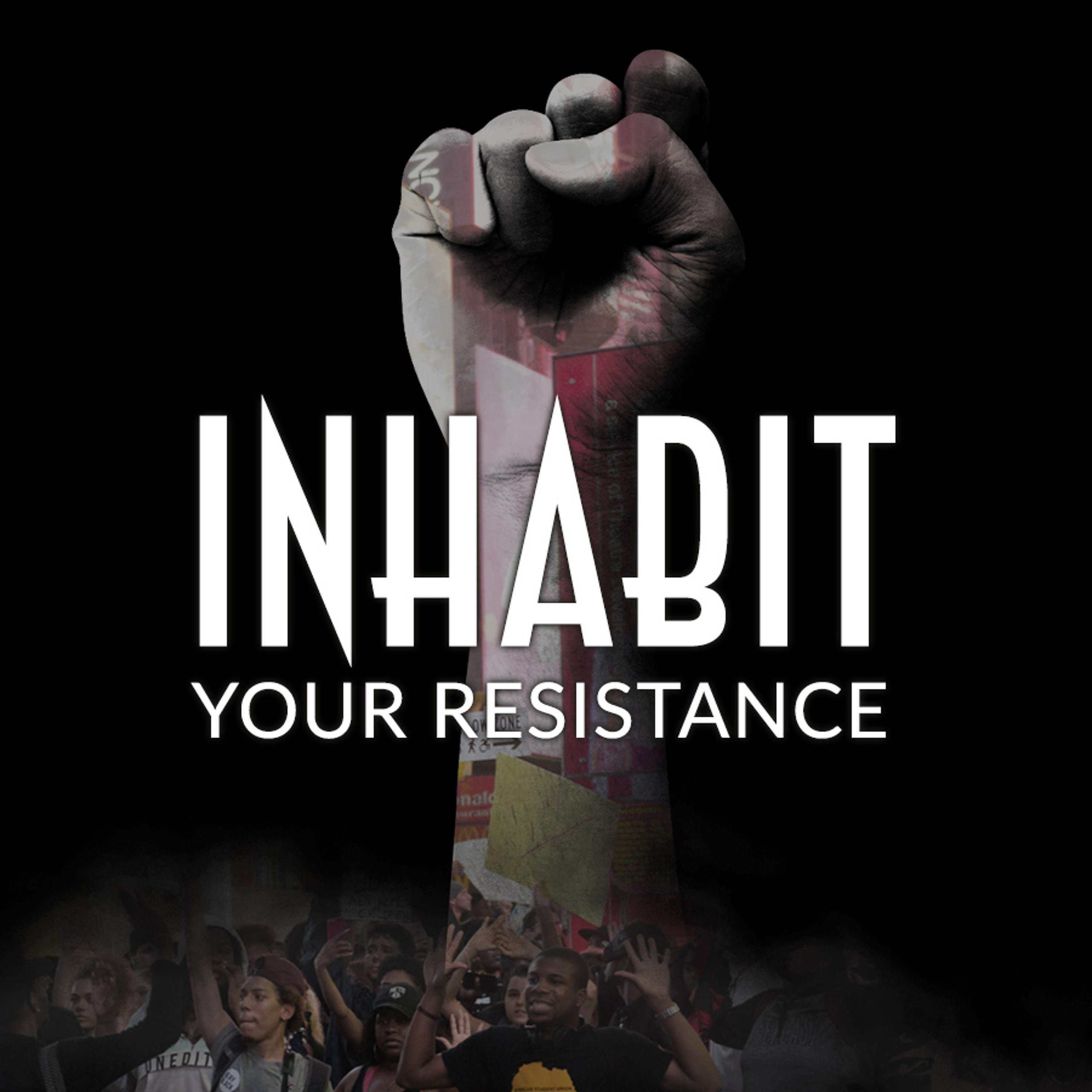
Inhabit: Your Resistance episode artwork

EPISODE · Jun 19, 2020 · 1H 27M

Inhabit: Your Resistance

from Everyone Is Right · host Integral Life

Spiritual conversations often emphasize the importance of overcoming our resistance and accepting the world for what it is, exactly as it is. However, there are times when we don’t need to overcome our resistance, we need to fully inhabit our resistance. We can’t simply accept what is, we need to put ourselves on the line for what can and should be. How can we bring more mindfulness, skillfulness, and embodiment to our resistance, even while seeing everything as always-already perfect? And what is the role of violence in protest culture? Is some degree of violence necessary in order to create real social change? When is violence appropriate, when can it help your cause, and when can it only work against your cause? These are not easy questions to answer. Which is why Ryan and I wanted to talk with our good friend Justin Miles about all this. Justin stands in an extraordinary confluence of spiritual, political, and cultural lineages — he is an avid Integralist, a practicing Shambhala Buddhist, an active member of the Black Panther Party, a local community leader, the founder of a Black Power Meditation group in Baltimore, and a prolific hip hop artist. All of these divergent and sometimes conflicting influences have given Justin a unique full-spectrum perspective on the #BLM protests we see erupting all across the country. Watch as Justin shares his own views on this new wave of social resistance and gives voice to the incredible pain, trauma, and frustration that black Americans have been living with for generations. One important note — although we talk openly in this episode about the possible role(s) of violence in protest culture, in no way are we actually condoning violence. Attempting to understand violence — even asking whether some degree of violence might be necessary in order to overcome our social inertia and get the gears of social transformation moving — is very different from actually justifying violence. And of course there is a fairly wide spectrum of violence, from physical assault to property damage to resisting arrest to self-harm, not to mention the accumulated interior violence of discrimination, disenfranchisement, and dehumanization. All resistance is inherently violent, on some level — but how much violence is necessary in today’s resistance movements? This may very well be one of the best measures of just how functional and healthy a society is — how much violence is required in order to enact social change? — in which case, our hope is “as little as possible”.

Spiritual conversations often emphasize the importance of overcoming our resistance and accepting the world for what it is, exactly as it is. However, there are times when we don’t need to overcome our resistance, we need to fully inhabit our resistance. We can’t simply accept what is, we need to put ourselves on the line for what can and should be. How can we bring more mindfulness, skillfulness, and embodiment to our resistance, even while seeing everything as always-already perfect? And what is the role of violence in protest culture? Is some degree of violence necessary in order to create real social change? When is violence appropriate, when can it help your cause, and when can it only work against your cause? These are not easy questions to answer. Which is why Ryan and I wanted to talk with our good friend Justin Miles about all this. Justin stands in an extraordinary confluence of spiritual, political, and cultural lineages — he is an avid Integralist, a practicing Shambhala Buddhist, an active member of the Black Panther Party, a local community leader, the founder of a Black Power Meditation group in Baltimore, and a prolific hip hop artist. All of these divergent and sometimes conflicting influences have given Justin a unique full-spectrum perspective on the #BLM protests we see erupting all across the country. Watch as Justin shares his own views on this new wave of social resistance and gives voice to the incredible pain, trauma, and frustration that black Americans have been living with for generations. One important note — although we talk openly in this episode about the possible role(s) of violence in protest culture, in no way are we actually condoning violence. Attempting to understand violence — even asking whether some degree of violence might be necessary in order to overcome our social inertia and get the gears of social transformation moving — is very different from actually justifying violence. And of course there is a fairly wide spectrum of violence, from physical assault to property damage to resisting arrest to self-harm, not to mention the accumulated interior violence of discrimination, disenfranchisement, and dehumanization. All resistance is inherently violent, on some level — but how much violence is necessary in today’s resistance movements? This may very well be one of the best measures of just how functional and healthy a society is — how much violence is required in order to enact social change? — in which case, our hope is “as little as possible”.

NOW PLAYING

Inhabit: Your Resistance

0:00 1:27:12

No transcript for this episode yet

We transcribe on demand. Request one and we'll notify you when it's ready — usually under 10 minutes.

MG Show MG Show The MG Show, hosted by Jeffrey Pedersen and Shannon Townsend, is a leading alternative media platform dedicated to uncovering the truth behind today’s most pressing political issues. Launched in 2019, the show has grown exponentially, offering unfiltered insights, comprehensive research, and real-time analysis. With a commitment to independent journalism and factual integrity, the MG Show empowers its audience with knowledge and encourages active participation in the political discourse. Breaking News Show | eTurboNews Juergen Thomas Steinmetz News is relevant to the global travel and tourism industry, human rights and global issues.Breaking news when it happens and only from the source. Eat to Live Jenna Fuhrman, Dr. Fuhrman Our health is our most precious gift and smart nutrition can change your life. Each month, join Dr. Fuhrman and his daughter, Jenna Fuhrman as they discuss important topics in the world of nutrition. Eat to Live will change the way you eat and think about food. That Hoarder: Overcome Compulsive Hoarding That Hoarder Hoarding disorder is stigmatised and people who hoard feel vast amounts of shame. This podcast began life as an audio diary, an anonymous outlet for somebody with this weird condition. That Hoarder speaks about her experiences living with compulsive hoarding, she interviews therapists, academics, researchers, children of hoarders, professional organisers and influencers, and she shares insight and tips for others with the problem. Listened to by people who hoard as well as those who love them and those who work with them, Overcome Compulsive Hoarding with That Hoarder aims to shatter the stigma, share the truth and speak openly and honestly to improve lives.

Frequently Asked Questions

How long is this episode of Everyone Is Right?

This episode is 1 hour and 27 minutes long.

When was this Everyone Is Right episode published?

This episode was published on June 19, 2020.

What is this episode about?

Spiritual conversations often emphasize the importance of overcoming our resistance and accepting the world for what it is, exactly as it is. However, there are times when we don’t need to overcome our resistance, we need to fully inhabit our...

Can I download this Everyone Is Right episode?

Yes, you can download this episode by clicking the download button on the episode player, or subscribe to the podcast in your preferred podcast app for automatic downloads.
URL copied to clipboard!