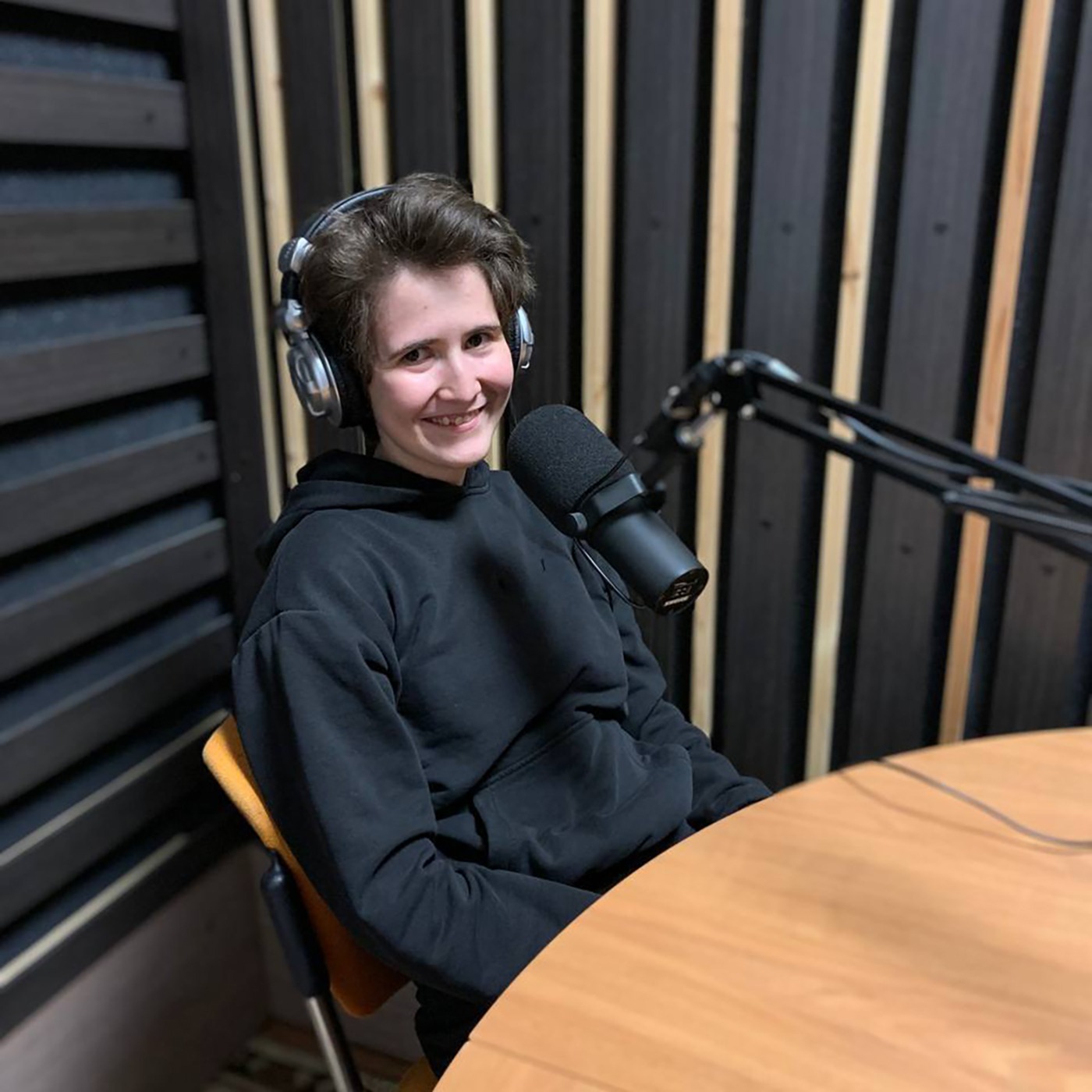
Инклюзия в среде детей. Анастасия Золотаренко. episode artwork

EPISODE · Jan 23, 2024 · 33 MIN

Инклюзия в среде детей. Анастасия Золотаренко.

from Homo Parens

В своих выпусках я часто говорю, что все люди разные.
 И я искренне верю, что возможно построить такое общество, в котором места и внимания хватит на всех.
Кажется, что сделать людей открытым к разности друг друга сверху сложно, или даже невозможно. И потому важно как можно больше говорить и просвещать об этой теме. И лучше всего начинать это делать с самого раннего возраста, буквально погружая в одну среду самых разных детей. Чтобы уже в этом возрасте для детей было нормально и естественно наблюдать рядом с собой отличающегося от него самого человека.Возможно ли это? Готова ли система образования к таким изменениям, чтобы индивидуальный подход учитывался на всех этапах обучения?Возможно ли изменить отношение старшего поколения к детям, отличающимся от нормотипичных?И вообще, кого считать за "нормальных", а кого нет, если учесть, что большинство детей проходят разные этапы развития и порой могут быть "неудобными" просто потому, что это такой возраст? Поговорим об этом с Анастасией Золотаренко - логопедом-дефектологом, специалистом по инклюзии в центре "Йом-йом".Важные ссылки от центра "Йом-йом":
https://t.me/yomyom_spbhttps://vk.com/yomyom_spbhttps://yom-yom.ruВ декабре 2023 года центру исполнилось 10 лет. Вы можете поддержать работу центра: https://yom-yom.ru/help-inc

В своих выпусках я часто говорю, что все люди разные.
 И я искренне верю, что возможно построить такое общество, в котором места и внимания хватит на всех. Кажется, что сделать людей открытым к разности друг друга сверху сложно, или даже невозможно. И потому важно как можно больше говорить и просвещать об этой теме. И лучше всего начинать это делать с самого раннего возраста, буквально погружая в одну среду самых разных детей. Чтобы уже в этом возрасте для детей было нормально и естественно наблюдать рядом с собой отличающегося от него самого человека. Возможно ли это? Готова ли система образования к таким изменениям, чтобы индивидуальный подход учитывался на всех этапах обучения? Возможно ли изменить отношение старшего поколения к детям, отличающимся от нормотипичных? И вообще, кого считать за "нормальных", а кого нет, если учесть, что большинство детей проходят разные этапы развития и порой могут быть "неудобными" просто потому, что это такой возраст? Поговорим об этом с Анастасией Золотаренко - логопедом-дефектологом, специалистом по инклюзии в центре "Йом-йом". Важные ссылки от центра "Йом-йом": https://t.me/yomyom_spb https://vk.com/yomyom_spb https://yom-yom.ru В декабре 2023 года центру исполнилось 10 лет. Вы можете поддержать работу центра: https://yom-yom.ru/help-inc

NOW PLAYING

Инклюзия в среде детей. Анастасия Золотаренко.

0:00 33:29

No transcript for this episode yet

We transcribe on demand. Request one and we'll notify you when it's ready — usually under 10 minutes.

Paléoanthropologie du genre Homo - Jean-Jacques Hublin Collège de France Jean-Jacques Hublin est paléoanthropologue, auteur de nombreux travaux sur l'évolution des néandertaliens et sur les origines africaines des hommes modernes.Il a joué un rôle pionnier dans le développement de la paléoanthropologie virtuelle, qui fait largement appel aux techniques de l'imagerie médicale et industrielle et à l'informatique pour reconstituer et analyser les restes fossiles. Il s'est aussi intéressé à l'évolution des rythmes de croissance et au développement cérébral chez les hominidés ainsi qu'à l'histoire de sa discipline.Après une carrière de chercheur au Centre national de recherche scientifique, Jean-Jacques Hublin à été nommé professeur à l'université de Bordeaux 1 (1999). Il est depuis 2004 professeur à l'Institut Max Planck d'Anthropologie Evolutionnaire de Leipzig (Allemagne) où il a créé le Département d'Évolution humaine. Il a enseigné à l'Université de Californie à Berkeley (1992), à l'Université d'Harvard (1997) et à l'Universit Natürliche Ausrede Christopher Braucks Natürliche Ausrede verankert sich an der Schnittstelle zwischen dem Bekannten und dem was gerade bekannt wird.In explorativen Gesprächen gilt es, Zusammenhänge herauszuarbeiten & den Fokus vom Großen Ganzen auf die Details & wieder zurück justieren zu können. Erkenntnisse & Theorien aus Wissenschaft, kultureller Transformationen, Politik, Psychedelika und neuen Denkangeboten, mitunter an der Grenze dessen, was Fachleute für möglich halten, aber bislang noch als unmöglich gilt.Dieser Podcast will verstehen, was den Homo Sapiens zum ticken bringt und was für die Zukunft wichtig sein wird. UAP STUDIES Podcast Jason Guillemette ARE YOU PAYING ATTENTION? In each episode, we study the biggest reality check in Homo sapiens history, that we are far from Alone. Not somewhere out there in the universe, but rather right here, right now. Ignored for far too long, we power through it all. Sightings, Landings, Abduction(s), Cattle/ Animal mutilation(s), Former Military or Air Force sightings/contact, Researchers, etc.Created - Jason Guillemette 2020/o3/3oBritish Columbia, Canada The Joyful Wisdom (or: The Gay Science) Friedrich Nietzsche "The Joyful Wisdom," written in 1882, just before "Zarathustra," is rightly judged to be one of Nietzsche's best books. Here the essentially grave and masculine face of the poet-philosopher is seen to light up and suddenly break into a delightful smile. The warmth and kindness that beam from his features will astonish those hasty psychologists who have never divined that behind the destroyer is the creator, and behind the blasphemer the lover of life. In the retrospective valuation of his work which appears in "Ecce Homo" the author himself observes with truth that the fourth book, "Sanctus Januarius," deserves especial attention: "The whole book is a gift from the Saint, and the introductory verses express my gratitude for the most wonderful month of January that I have ever spent." Book fifth "We Fearless Ones," the Appendix "Songs of Prince Free-as-a-Bird," and the Preface, were added to the second edition in 1887. (Summary by Dr Oscar Levy)

Frequently Asked Questions

How long is this episode of Homo Parens?

This episode is 33 minutes long.

When was this Homo Parens episode published?

This episode was published on January 23, 2024.

What is this episode about?

В своих выпусках я часто говорю, что все люди разные.
 И я искренне верю, что возможно построить такое общество, в котором места и внимания хватит на всех.
Кажется, что сделать людей открытым к разности друг друга сверху сложно, или даже невозможно....

Can I download this Homo Parens episode?

Yes, you can download this episode by clicking the download button on the episode player, or subscribe to the podcast in your preferred podcast app for automatic downloads.
URL copied to clipboard!