
EPISODE · Apr 28, 2026 · 24 MIN
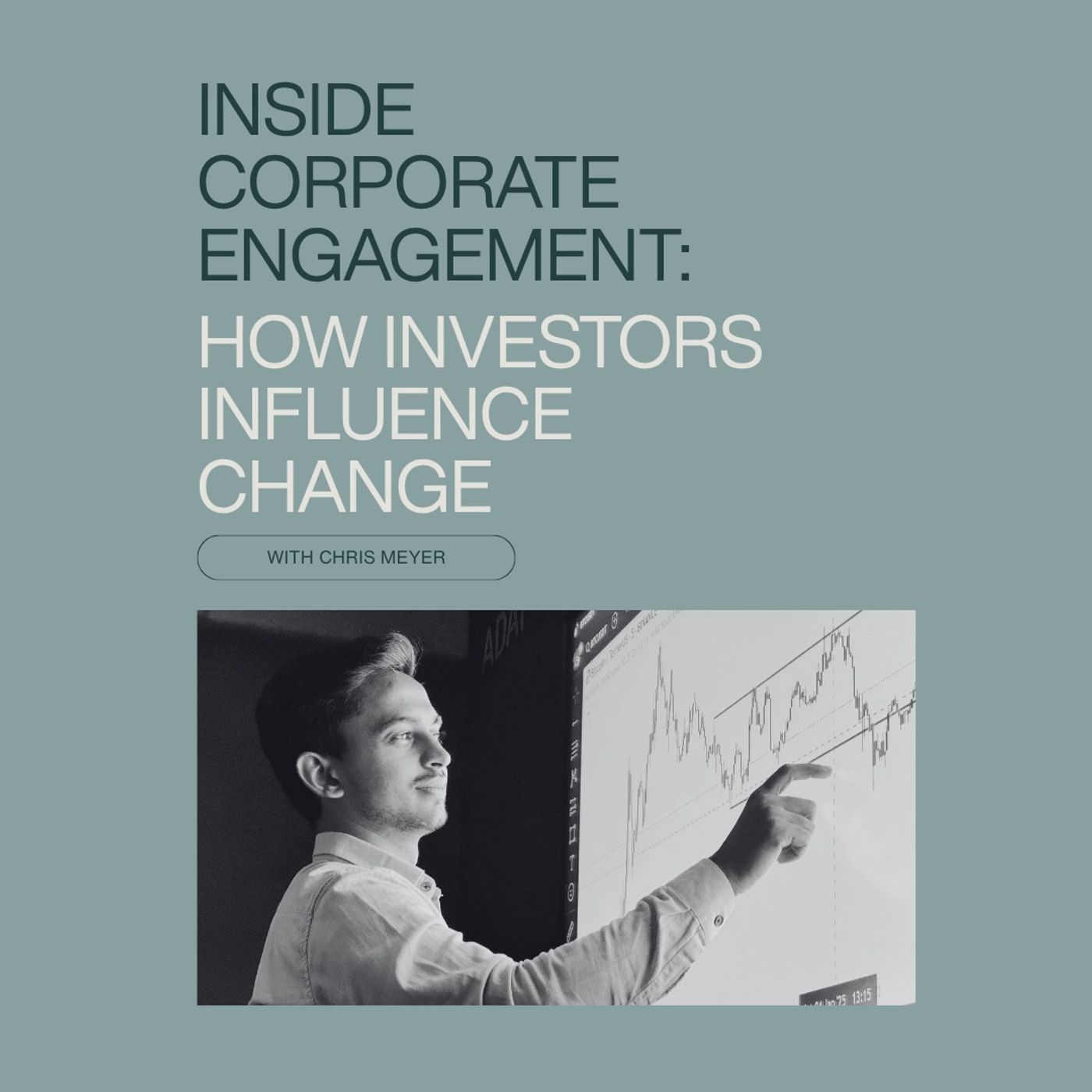
Inside Corporate Engagement: How Investors Influence Change with Chris Meyer
from Faith & Finance · host FaithFi
Many investors think about what they own, but not always about how that ownership can be used for good. Yet investing is not only about returns—it can also be about responsibility. For those who want their financial decisions to reflect their values, one important tool is something called corporate engagement. Today, we were joined by Chris Meyer, Stewardship Investing, Research, and Advocacy Manager at Praxis Investment Management, who shared how this process works and why it matters for everyday investors. What Is Corporate Engagement? Corporate engagement means using the rights and privileges of ownership to communicate with company leadership and encourage better policies and practices. Rather than simply avoiding companies that conflict with certain values, engagement seeks to influence them toward positive change. Chris Meyer described it as an extension of stewardship. Investors are not only seeking financial returns—they are also considering how their investments can create social impact and promote human flourishing. That perspective reflects the biblical principle found in 1 Corinthians 4:2: “It is required of stewards that they be found faithful.” At Praxis, engagement efforts currently center around three broad themes: Creation care Human rights Ethics in technology Within those categories, they look for areas where companies face meaningful risks or opportunities for improvement, and where investor influence could realistically lead to progress. Why Collaboration Matters Corporate engagement is rarely done alone. Faith-based investors often work together in coalitions, combining their voices for greater impact. When multiple investors raise the same concerns, companies tend to listen more carefully. Collaboration also brings together different expertise and perspectives, helping investors engage more thoughtfully and effectively. Before engaging a company, extensive research is required. Investors seek to understand: The issue itself How it connects to the company’s operations The company’s business model Realistic opportunities for improvement What measurable progress could look like Once conversations begin, the goal is not confrontation or public shaming. Instead, engagement is rooted in respect, patience, and long-term relationship building. Many of these discussions continue over multiple years. Does It Really Make a Difference? According to Meyer, yes—but usually through incremental progress rather than dramatic overnight change. He shared that companies often adopt new policies, improve transparency, or take meaningful corrective actions because investors remain engaged over time. Change tends to happen through persistence and partnership. One current focus involves retailers and apparel companies with global supply chains. Investors are encouraging these businesses to strengthen oversight, improve worker protections, and provide clearer reporting on their responses to labor violations. This includes asking tough but constructive questions: How are suppliers audited? What happens when abuse is discovered? What corrective steps are taken? How transparent is the company with investors? These efforts can take time, but progress is possible. Of course, engagement is not endless. If a company refuses to address serious concerns or shows no willingness to improve practices that are clearly at odds with its stated values, investors may decide to divest. In that sense, engagement and screening can work together—one seeks transformation, while the other establishes boundaries. Why This Matters for Everyday Investors Many people do not realize that when they invest through mutual funds, they are often part owners of companies. Ownership carries influence, even when exercised through fund managers on behalf of shareholders. That means your investments can do more than grow wealth. They can help encourage better business practices, greater accountability, and positive change in the world. As believers, stewardship does not stop with what we own—it extends to how what we own is used. Investing can become one more way to love our neighbors, seek justice, and reflect God’s heart in the marketplace. When approached thoughtfully, your portfolio can become more than a financial tool. It can become a witness. If you’d like to learn more about values-aligned investing and the impact strategies discussed in this conversation, Praxis Investment Management has been helping everyday investors pursue both financial stewardship and positive change since 1994. You can explore their funds, impact reports, and resources by visiting PraxisInvests.com. On Today’s Program, Rob Answers Listener Questions: I’m turning 73 and taking my RMD. For charitable giving, should the IRA check be sent to me first or sent directly to the charity? I’ve been living on Social Security, and now I'm getting calls saying I owe back taxes on it. Are these calls legitimate, and do I really owe taxes on Social Security? Resources Mentioned: Faithful Steward: FaithFi’s Quarterly Magazine (Become a FaithFi Partner) Praxis Investment Management Our Ultimate Treasure: A 21-Day Journey to Faithful Stewardship by Rob West Wisdom Over Wealth: 12 Lessons from Ecclesiastes on Money Look At The Sparrows: A 21-Day Devotional on Financial Fear and Anxiety Rich Toward God: A Study on the Parable of the Rich Fool Find a Certified Kingdom Advisor® (CKA) FaithFi App Remember, you can call in to ask your questions every weekday at (800) 525-7000. Faith & Finance is also available on Moody Radio Network and American Family Radio. You can also visit FaithFi.com to connect with our online community and partner with us as we help more people live as faithful stewards of God’s resources. Hosted by Simplecast, an AdsWizz company. See pcm.adswizz.com for information about our collection and use of personal data for advertising.
Embed this episode
What this episode covers
Many investors think about what they own, but not always about how that ownership can be used for good. Yet investing is not only about returns—it can also be about responsibility. For those who want their financial decisions to reflect their values, one important tool is something called corporate engagement. Today, we were joined by Chris Meyer, Stewardship Investing, Research, and Advocacy Manager at Praxis Investment Management, who shared how this process works and why it matters for everyday investors.
NOW PLAYING
Inside Corporate Engagement: How Investors Influence Change with Chris Meyer
No transcript for this episode yet
Similar Episodes
No similar episodes found.