
EPISODE · Nov 13, 2018 · 6 MIN
Insights and highlights of the SmartNet project | David Ziegler
from FSR · host Florence School of Regulation
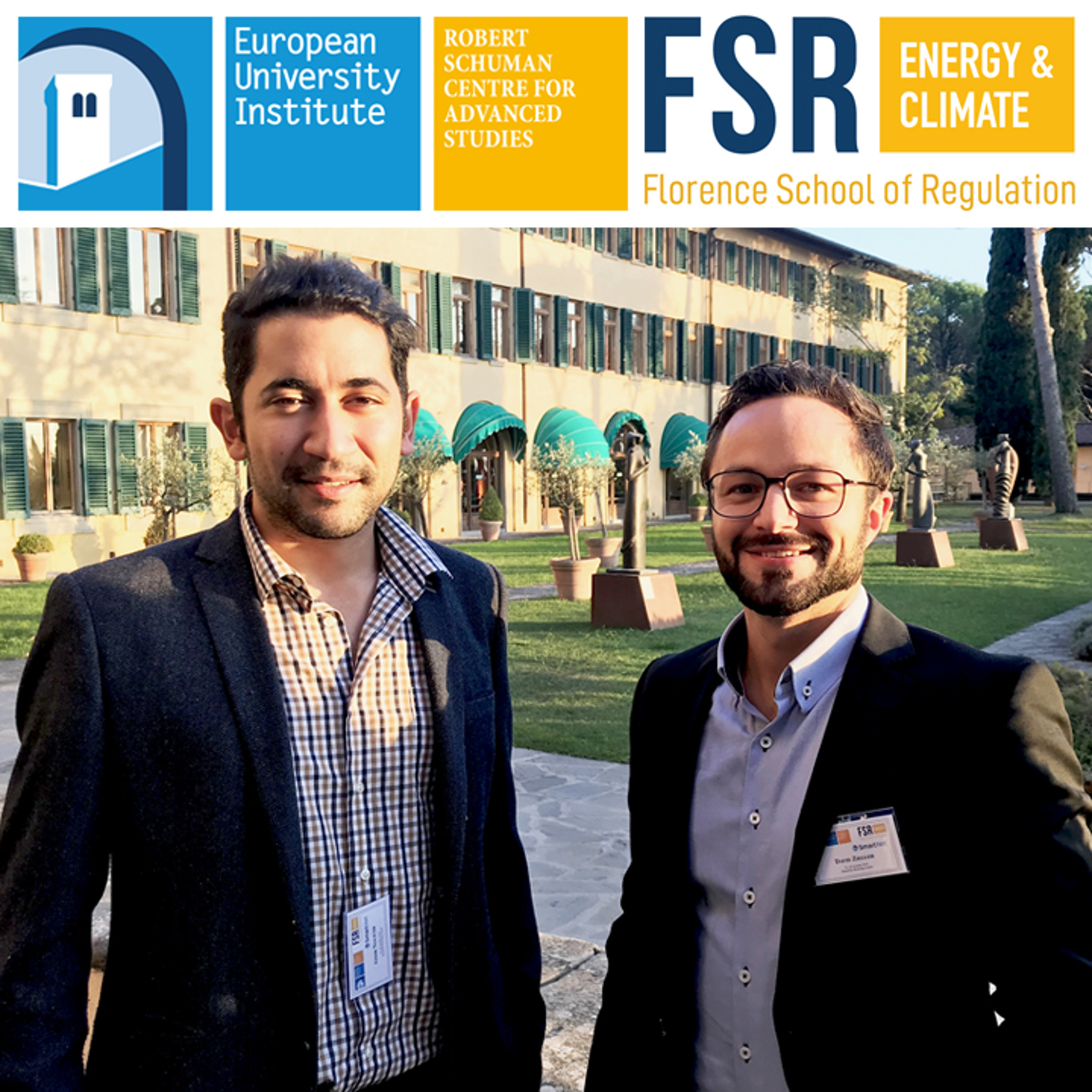
The EU-funded SmartNet project http://fsr.eui.eu/event/smartnet-workshop-series/ organised in Florence (24 to 26 October) aimed to present the recent development of this research project and get feedback from different participants (TSOs/DSOs, regulators and utilities) on topics related to the coordination between TSOs and DSOs for the access to flexibility services. In this podcast, Athir Nouicer (FSR) interviews David Ziegler from Germany, a participant of the first day of the workshop, to share with you some insights from the project and also how the project could feed the EU regulations; Clean Energy Package and Network Codes. Different TSO-DSO coordination schemes were compared with reference to three national cases (Italian, Danish, and Spanish) against a set of metrics: mFRR, aFRR cost and ICT cost as well as CO2 emissions and unexpected congestions. This aims to reduce the project complexity and provide a straightforward cost-benefit analysis (CBA) of the different alternatives. In addition, three physical pilots were implemented to demonstrate the modalities for exchanging monitoring and control signals between TSOs, DSOs and flexibility providers.
Embed this episode
Ready to play
Insights and highlights of the SmartNet project | David Ziegler
No transcript for this episode yet
Similar Episodes
No similar episodes found.