
EPISODE · Mar 8, 2026 · 36 MIN
International Women's Day 2026: History, Symbols, and Global Events
from The World Between Us · host Norse Studio
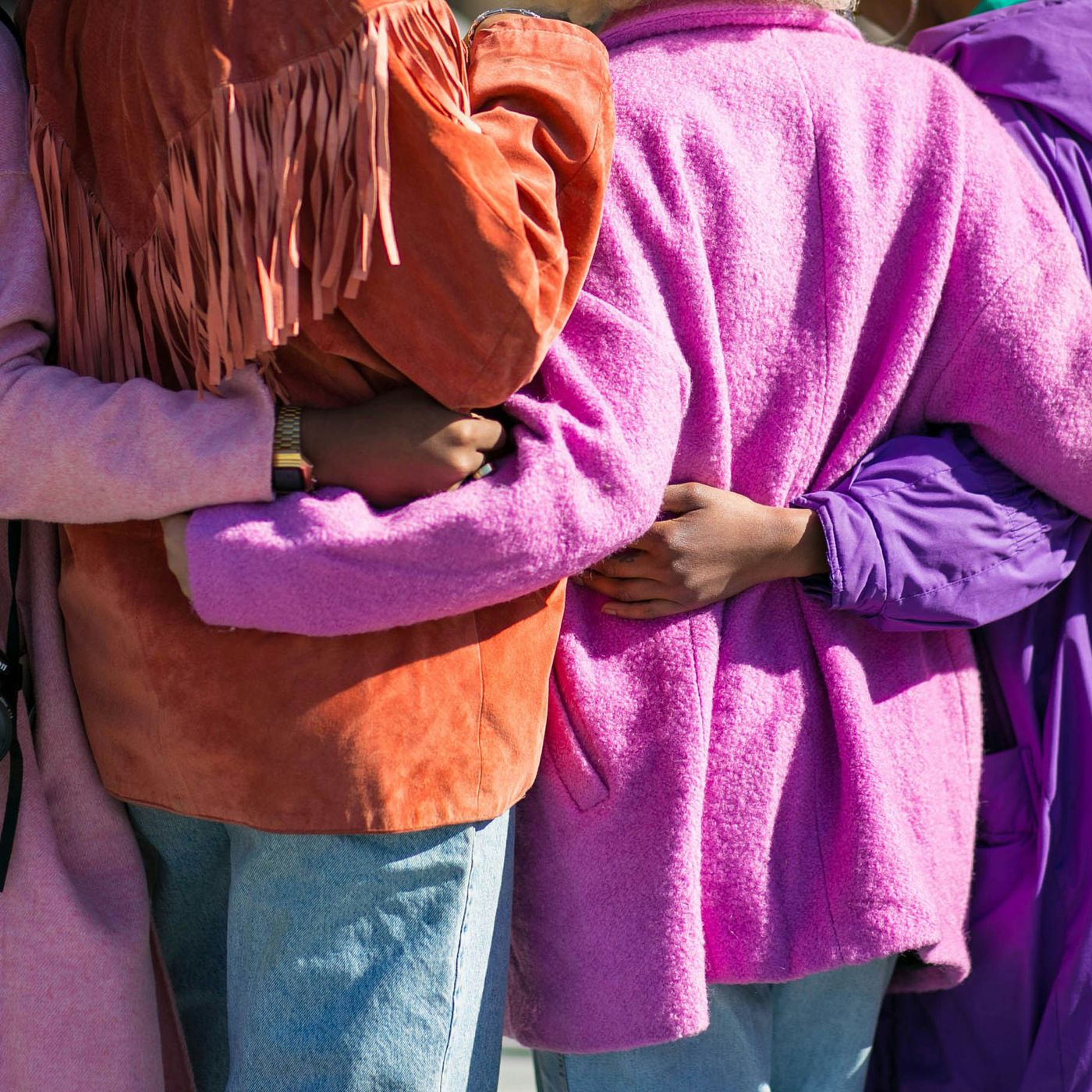
International Women's Day, observed annually on March 8, is a global event dedicated to celebrating the social, economic, cultural, and political achievements of women. Beyond mere symbolic recognition, the day serves as a powerful call to action for gender equality, highlighting the ongoing fight for reproductive rights and the elimination of violence and discrimination against women.The movement’s origins trace back to the early 20th-century labor movements in North America and Europe. A landmark moment occurred in 1908 when thousands of women marched through New York City demanding shorter working hours, better pay, and the right to vote. In 1910, a proposal to establish an international day was approved at a conference in Copenhagen to promote equal rights and suffrage. The first International Women's Day was celebrated in 1911 across several European countries, drawing over a million participants to rallies. The specific date of March 8 became fixed following a 1917 strike by female textile workers in Russia for "Bread and Peace," an event that helped pave the way for women's suffrage in that country. The United Nations formally recognized the day in 1975.The visual identity of the day is often tied to three specific colors: purple, white, and green. These symbols originated from the early 20th-century suffragette movement in the United Kingdom, where purple stood for justice and dignity, white for purity and integrity, and green for hope.By 2026, the focus of the day has shifted toward meaningful experiences and systemic change. The global theme for the year, "Rights. Justice. Action. For ALL Women and Girls," emphasizes the urgent need to address legal gaps and structural barriers. Currently, women worldwide enjoy only about 64 percent of the legal rights afforded to men, and it is estimated that it will take over 280 years to close the justice gap at the present rate of progress.Celebrations today vary from grassroots activism to corporate initiatives. In many workplaces, companies organize purpose-driven activities such as speed mentoring, skill-swap workshops, and "Unsung Hero" awards to recognize contributions that often go unnoticed. Other engagement ideas include wellness programs like guided meditation, desk-yoga, and financial literacy sessions designed to empower women in their professional and personal lives.Global customs also define the day; in many countries, it is a public holiday where it is customary to give women flowers and gifts. In Italy and several former Soviet republics, the yellow mimosa is a traditional symbol of the occasion. While the day has faced criticism for becoming commercialized in some regions, it remains a vital platform for protest and advocacy. From marches against domestic violence to legal challenges for equal rights, International Women's Day continues to be a day of both celebration and a determined push for a more equitable future.Become a supporter of this podcast: https://www.spreaker.com/podcast/the-world-between-us--6886561/support.
Embed this episode
NOW PLAYING
International Women's Day 2026: History, Symbols, and Global Events
No transcript for this episode yet
Similar Episodes
No similar episodes found.
Similar Podcasts
No similar podcasts found.