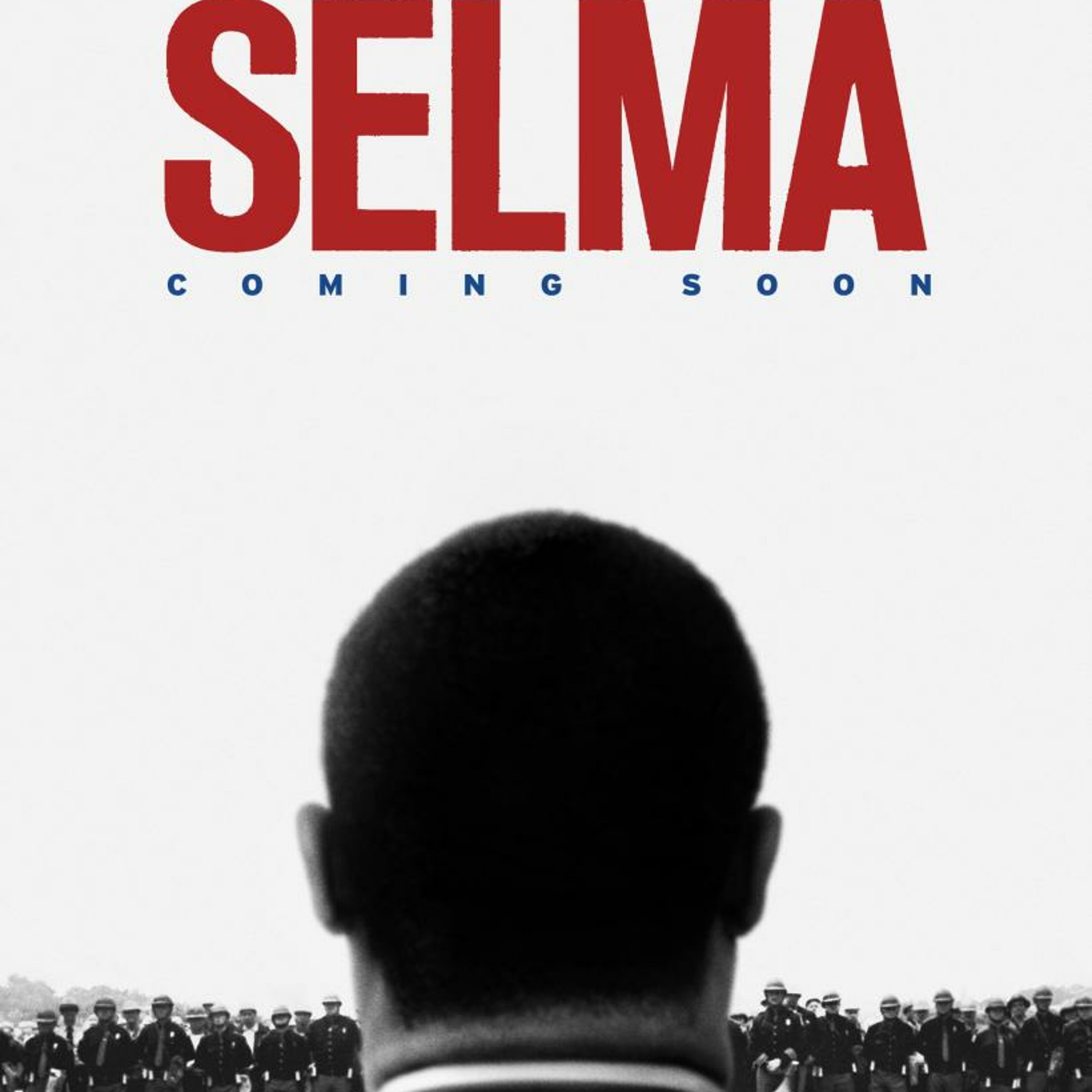
Oprah Winfrey is one of the producers of your film, Selma, and she also plays Annie Lee Cooper in it. It's a small part, but an important part. And in a way, I see her involvement as being like the coming together of two ends of the African-American film and entertainment world, because she has this famous brand with a lot of money to back it, a lot of influence. And you represent an indie background.
I mean, you've made indie films. You organize the African-American Film Festival, which basically was providing a network of movie theaters for small independent African-American themed films to be screened to audiences. And I wonder if you see it that way, too, it's just coming together of two different ends. Well, yes.
I mean, my work with the African-American Film Festival releasing movement, which we call a firm, is as far as you could probably get from Harpo Studios. Harpo Studios are really nice. And we're just kind of a ragtag bunch of black cinnafiles and black arts advocates who put films out just to make sure that these independent films have a life. Every film that I've made, my last two films, have been released by me in no more than 20 theaters.
The biggest release that a firm has ever had, the biggest release that we can afford at one time, was to have middle of nowhere in 22 theaters at one time. Well, I'm lucky I got to see it in one of those 22. You did, you did, yeah. 22 theaters at one time and on a couple of days, this film will be in 2,200 theaters around the country.
And that's really because of her involvement. She supersized this to a point that it was instantly attractive to Paramount Pictures and Path-A, the financier, pulled the trigger on the funds. And we were off making the film. I mean, this time last year, we weren't even sure we were making the film.
And she comes on board and we're off and running within a couple of months. And so it's, yes, it is the coming together of what would look like polar opposites. Very indie scruffy, with very polished and pristine and her brand being what it is. But ultimately, we both are students of history, interested in history, interested in truth, interested in art, interested in community, the ways that people come together, the things that we can do when we do come together.
That's what a firm is all about. It's a bunch of arts advocates coming together to release films. That's so much of what Arpo is about. So I would never look to connect myself to her in any way, based on all the beautiful things that she's done.
But when we do sit down together, there's so much middle ground, there's so much collaboration, there's so much that we see the same, that the partnership was very easy and fell into a really lovely, loving pattern quite quickly.