
EPISODE · May 12, 2026 · 44 MIN
Introduction: The paradox of decentralised security
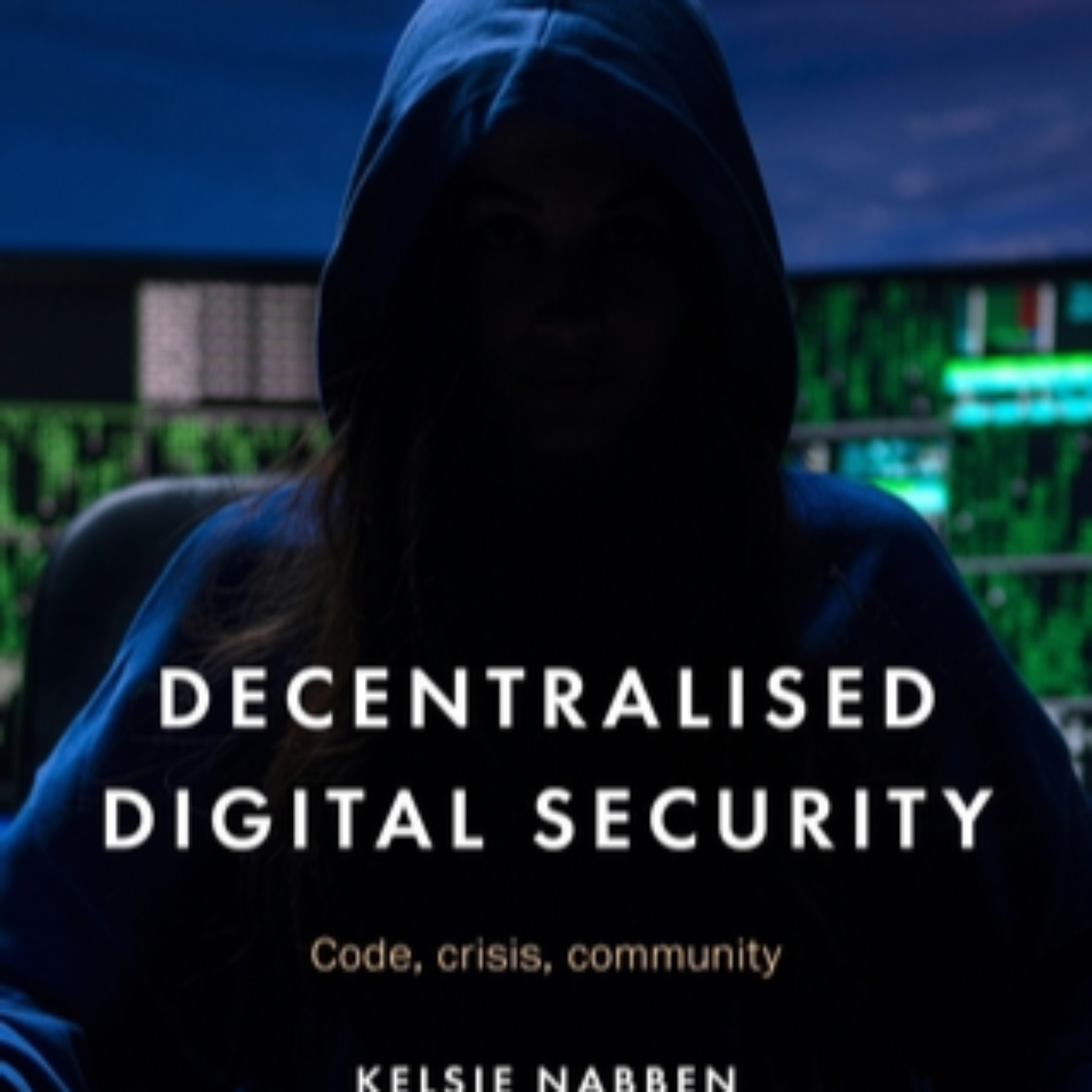
from Decentralised digital security: Code, crisis, community · host DDS
In the digital age, security is often imagined as a fixed state – something that can be achieved through the right combination of technology, policy and enforcement. The assumption has been that well-funded, centralised entities – whether tech companies, governments or cybersecurity firms – could safeguard digital environments through proactive risk mitigation and regulatory oversight. This model has critical limitations. Large-scale data breaches, corporate surveillance and vulnerabilities in cloud-based infrastructures have demonstrated that centralisation of digital infrastructure introduces systemic risks.Decentralised technology security communities approach security not as a fixed end goal but as an ongoing process of adaptation, negotiation and contestation. Security in these contexts is as much social as it is technical, shaped by ideological commitments to cryptographic autonomy, the practical realities of infrastructural vulnerabilities and the constantly evolving landscape of cyber threats. This book examines how decentralised security is organised within blockchain ecosystems, tracing the structures, actors and motivations that underpin security practices in environments where traditional mechanisms of enforcement and accountability are limited. It explores how users, project teams and protocols collaborate – often across borders and jurisdictions – to confront both localised incidents and global security challenges.
Embed this episode
Ready to play
Introduction: The paradox of decentralised security
No transcript for this episode yet
Similar Episodes
No similar episodes found.
Similar Podcasts
No similar podcasts found.