
EPISODE · Dec 17, 2022 · 2H 48M
"Introduction to Layering"
from Minutemen Initiative · host Dynamic Defense Solutions
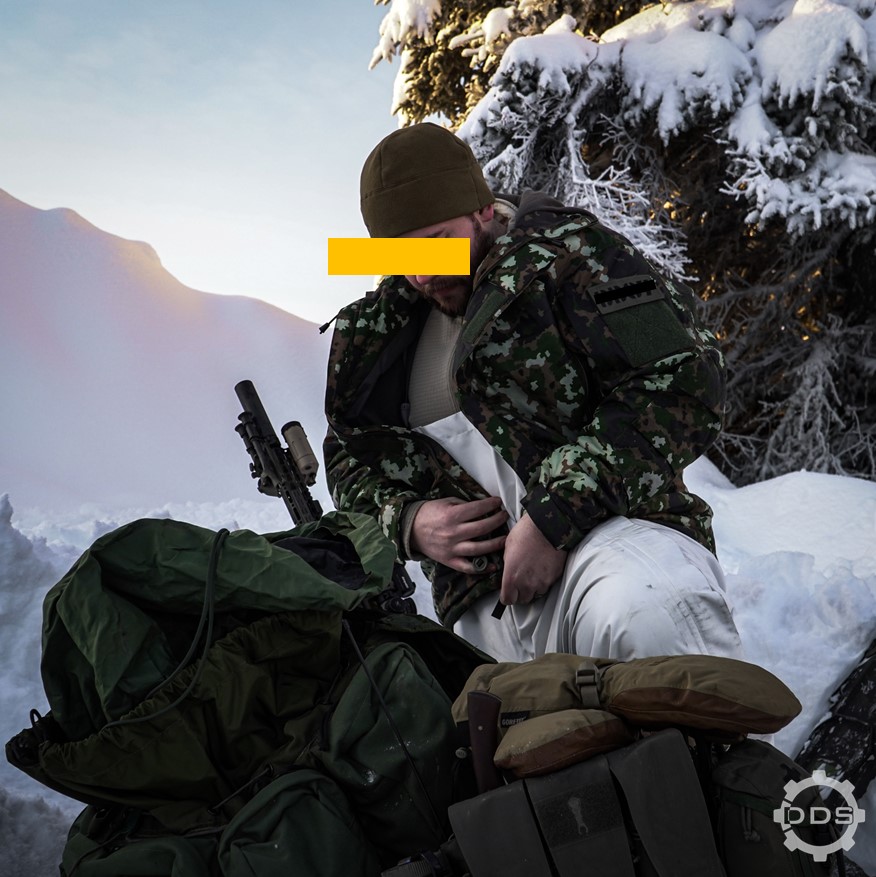
In this episode, Jacob and Stephen sit down with Ed to discuss the basics of layering and how proper layering can protect you from harsh enviroments. Educational Details on Layering: Base Layer - Broken down into 2 categories Synthetic and Natural (and blend) Insulation Layer - The insulation layer can be broken down into many different layers and multiple insulation layers can be worn at the same time Shell Layer - For Rain/Snow/Wind BASE LAYER: The base layer is a very important layer in this process. The reason for a base layer is to remove moisture from your skin and transport away from your body for evaporation. Due to this process the fabric needs to be in contact with the skin. The more contact the better (think skintight). This process is best demonstrated by the feeling you get when you step out of the shower. The water is evaporating off your skin and taking your body heat with it. However, if we use this base layer to transport the moisture (sweat) off the skin it will then evaporate off the fabric. There are two categories of base layers Synthetic and Natural. Just like anything in life, there are pros and cons of each. (There are blends of synthetic and natural that try to give you the best of both worlds) Light (125-200 grams) Mid (200-300 grams) Heavy (300+ grams) Examples: The Army has used the ECWCS (Extended/Extreme Cold Weather Clothing System) for several years and multiple generations have been made. The newest generation features 7 different layer options. The Base layer has two options level 1 Silk weight and level 2 Heavy weight. These are often found in surplus and usually inexpensive. Varusteleka makes a light and heavy weight layers Any of the quality hunting brands (Sitka Gear, Kuiu, UnderArmor, etc.) Other outdoor brands (Outdoor Research, Arcteryx, etc.) INSULATION LAYER: The Insulation Layer works by trapping pockets of air next to your body. Air is a poor conductor of heat and therefore ideal, specially because air is very lightweight. The air contained in this area will block heat from escaping. Examples: Polar Fleece Polar fleece is probably what comes to mind when hear "fleece". It is used as an umbrella. It is made in varying weights and is commonly used in colder climates. It dries quickly and does not get saturated with water. It is common to see Windproof Fleece, and some also have DWR finish for water repellency. Micro Fleece Micro Fleece is as the name implies. It is more light weight and is therefore more breathable than polar fleece. Though that does mean it gives up some insulating value. Stretch Fleece Stretch Fleece is common in active wear like gym clothes. It isn't, generally, something we would buy a whole jacket or pants in. However, companies often sew some panels of this onto other clothes for articulation. Down Vs Synthetic Down and Synthetic down are popular insulation materials. Both are warm, light, and often pack down very small. There are some significant tradeoffs between the two. Down Real goose down holds the most warmth per weight More packable Doesn't perform well when wet Not as Breathable Synthetics Maintains loft when wet Regulates temperature better Cheaper than down SHELL LAYER: The Shell Layer provides us with a barrier for harsh weather. These fabrics are often wind and waterproof. Goretex is the most common fabric used for a shell. Goretex is a laminate waterproof yet microporous membrane. It is very thin, and the idea is, it will let water vapor out while not allowing water to get in. Not all Goretex is made the same. These fabrics are usually categorized by the number of layers used. Examples 2L Uses a two-layer sandwich of face fabric with the GORE membrane laminated to it on the inside plus a non-laminated lining layer — often mesh, nylon or microfiber that serves to protect the GORE membrane and create a comfortable feel inside the jacket. GORE-TEX 2L can be paired with insulation and is generally warmer, heavier, and less expensive than 3L or 2.5L versions. 2.5L Uses a two-layer sandwich of a face fabric with the GORE membrane laminated to it plus a spray-on or printed backer on the inside. This "half layer" on the inside appears almost unnoticeable but adds durability to the membrane. 2.5L GORE-TEX is the lightest of the three traditional GORE waterproof, breathable constructions. 3L Uses a full three-layer sandwich of a face fabric+membrane+knit backer — all laminated together. GORE-TEX 3L construction is the classic unlined, uninsulated, high performance shell design. Despite its three-layer name, it feels like a single layer. It's the most durable of the three constructions and is lighter than 2L. There are a couple others that pop up Gore Pro and Gore Infinium. Gore Pro is more durable than the 3L. Gore Pro is broken into categories itself; Rugged, Stretch, and Breathable. Summed up Gore Pro is set to have more stretch and be more breathable than normal Goretex. Gore Infinium is a windstopper fabric that is only water resistant but is highly breathable. Recommended Brands: ARC'TERYX Outdoor Research Varusteleka Sitka Gear There are many other great places to look, but this will get you started!
Embed this episode
NOW PLAYING
"Introduction to Layering"
No transcript for this episode yet
Similar Episodes
No similar episodes found.