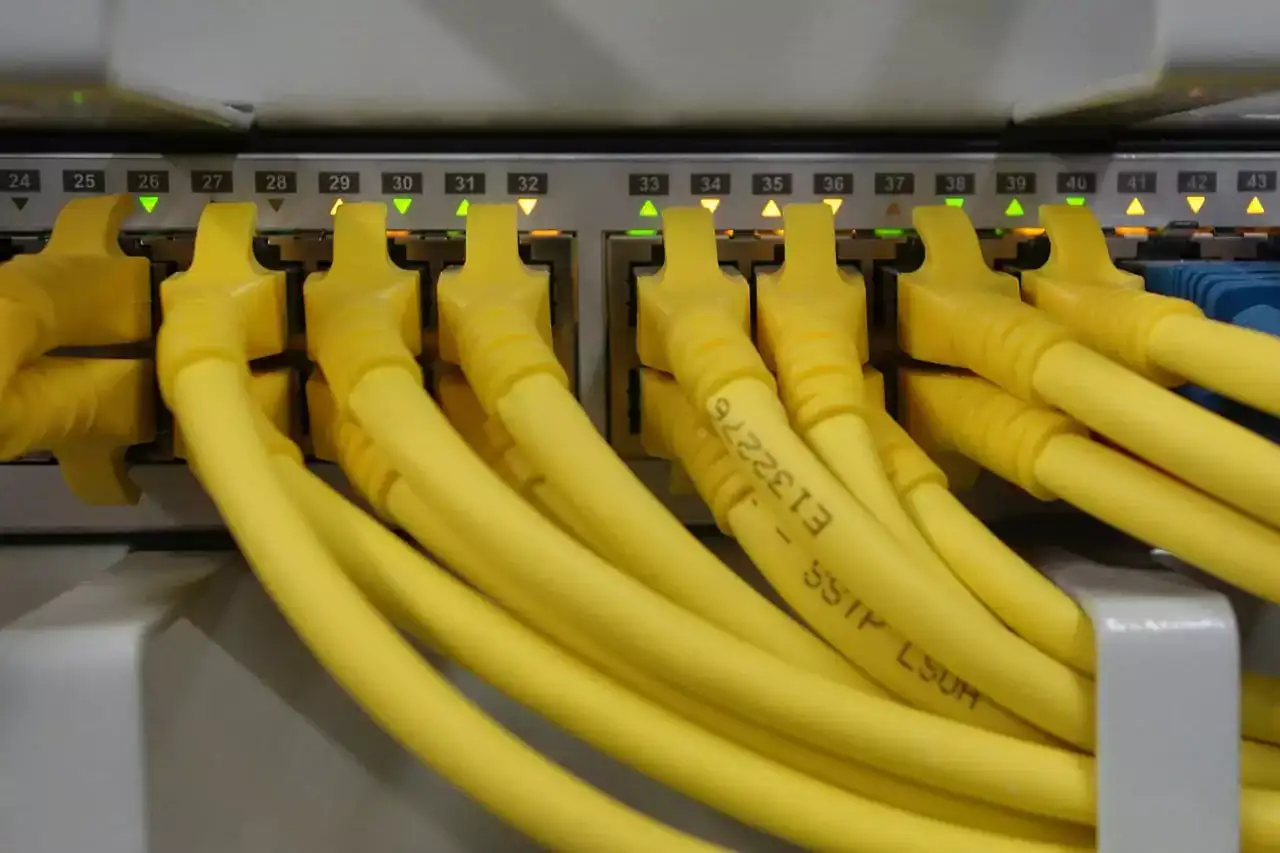
IPv4 vs. IPv6: Bridging the Digital Divide
from Beyond Global Waves Hosted by NEXUS-IBA
NEXUS-International Broadcasting Association NEXUS-International Broadcasting Association Beyond Global Waves The internet connects billions of devices, each requiring a unique address provided by the Internet Protocol (IP). For decades, IPv4, with its 32-bit addresses, has served this purpose. However, the explosion of devices and global internet access has outgrown IPv4’s capacity, paving the way for IPv6, which uses 128-bit addresses to support trillions of connections. Despite its potential, the transition to IPv6 has been slow, exposing deep inequalities. Wealthier nations and large organizations can afford the costly infrastructure and expertise needed to adopt IPv6. Meanwhile, developing countries and smaller organizations struggle to keep up, relying on outdated IPv4 and workarounds like NAT, which limit access to the open, scalable internet. This disparity risks fragmenting the internet, denying equal opportunities to participate and grow. Bridging the gap requires global efforts to support IPv6 adoption, ensuring the internet remains a tool for connection, not division. Transitioning to IPv6 isn’t just about technology—it’s about building an inclusive digital future. The post IPv4 vs. IPv6: Bridging the Digital Divide first appeared on NEXUS-International Broadcasting Association.
Embed this episode
No transcript yet.