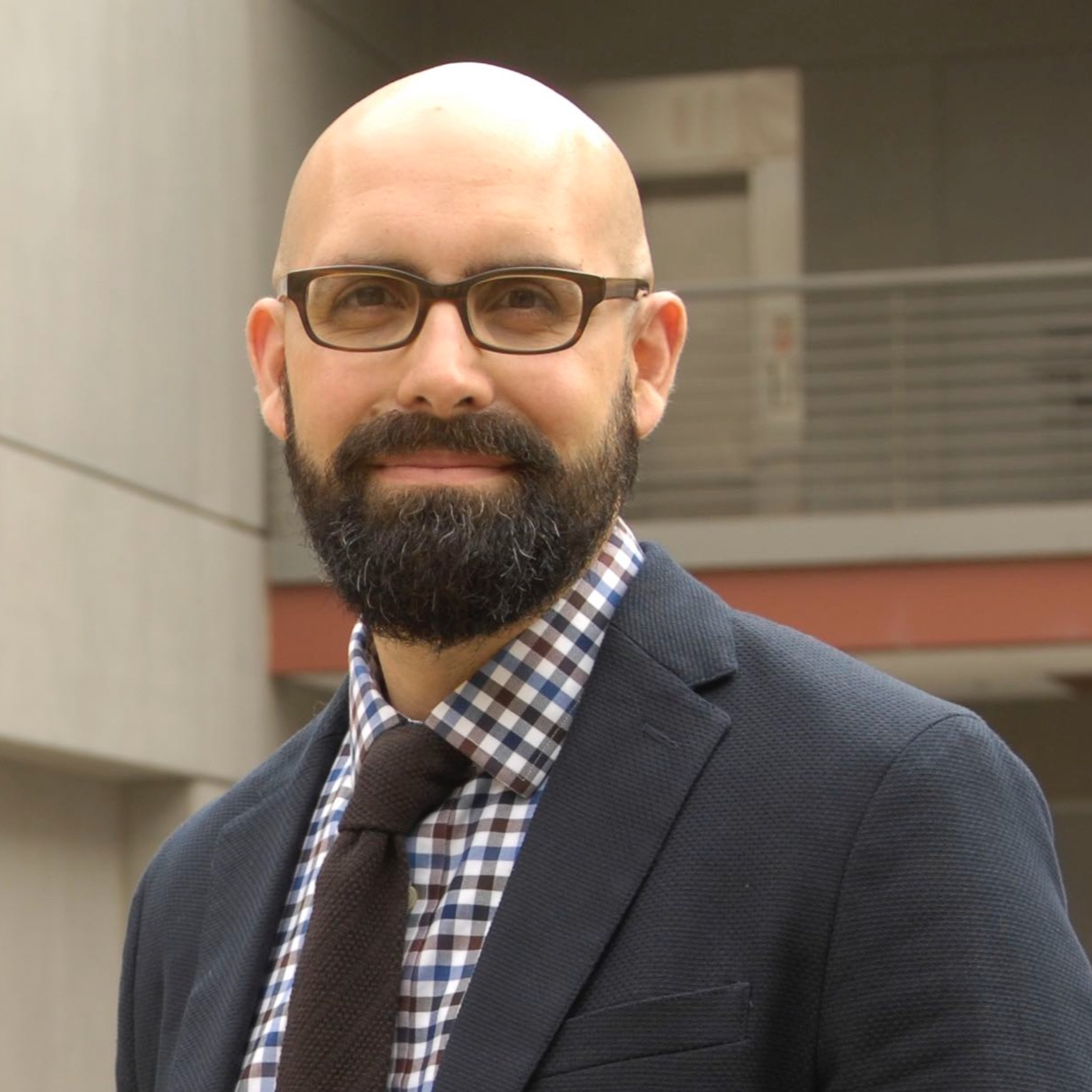
Iran’s Revolutionary Guards: A Conversation with Afshon Ostovar (S. 5, Ep. 29) episode artwork

EPISODE · Mar 20, 2017 · 19 MIN

Iran’s Revolutionary Guards: A Conversation with Afshon Ostovar (S. 5, Ep. 29)

from POMEPS Middle East Political Science Podcast · host Marc Lynch

"The IRGC's powers are often exaggerated.... but on the flipside of that, I think it's also often dismissed— where particularly from the U.S. perspective, they see the IRGC as a convenient foil. How do we how do we make the case against Iran? We use the IRGC and all of its nefarious activities as an excuse," Afshon Ostovar said. "You see this in Yemen in particular, where there's countless articles that come out that say the IRGC is not important in Yemen... This sort of thing I think is also missing the point" "It's hard to get them right, but it's easier to sort of exaggerate or minimize their influence." Ostovar is an Assistant Professor of National Security Affairs at the Naval Postgraduate School. His recent book, Vanguard of the Imam: Religion, Politics, and Iran’s Revolutionary Guards examines the rise of Iran’s most powerful armed force—the IRGC—and its role in power politics, regional conflicts, and political violence. "I see the IRGC as being much not just devoted to [Ali] Khamenei, but being devoted to the office of the supreme leader. The supreme leader itself is the centerpoint of the Islamic system of Iran...And I think that the symbolic importance of the supreme leader is something that that the IRGC doesn't want to doesn't want to do without," said Ostovar "A few years ago, particularly after 2009 when the IRGC was involved in the crackdown, and you had a lot of talk about their rise in power at that time. One of the discussions was, 'Well is is Iraq moving towards a dictatorship or are they just going to squeeze out the supreme leader?'" "One of the arguments that I make in my book is I don't think that they'll do that because I think I think the supreme leader is very much not just important to them symbolically, but he is tied into their identity. They are the servants of the supreme leader. They are literally the guardians of that Islamic system. They don't want to be the leaders of it. That doesn't mean that they don't want to have their way— they get their way more often than not— but they they survive when they don't get their way."

"The IRGC's powers are often exaggerated.... but on the flipside of that, I think it's also often dismissed— where particularly from the U.S. perspective, they see the IRGC as a convenient foil. How do we how do we make the case against Iran? We use the IRGC and all of its nefarious activities as an excuse," Afshon Ostovar said. "You see this in Yemen in particular, where there's countless articles that come out that say the IRGC is not important in Yemen... This sort of thing I think is also missing the point" "It's hard to get them right, but it's easier to sort of exaggerate or minimize their influence." Ostovar is an Assistant Professor of National Security Affairs at the Naval Postgraduate School. His recent book, Vanguard of the Imam: Religion, Politics, and Iran’s Revolutionary Guards examines the rise of Iran’s most powerful armed force—the IRGC—and its role in power politics, regional conflicts, and political violence. "I see the IRGC as being much not just devoted to [Ali] Khamenei, but being devoted to the office of the supreme leader. The supreme leader itself is the centerpoint of the Islamic system of Iran...And I think that the symbolic importance of the supreme leader is something that that the IRGC doesn't want to doesn't want to do without," said Ostovar "A few years ago, particularly after 2009 when the IRGC was involved in the crackdown, and you had a lot of talk about their rise in power at that time. One of the discussions was, 'Well is is Iraq moving towards a dictatorship or are they just going to squeeze out the supreme leader?'" "One of the arguments that I make in my book is I don't think that they'll do that because I think I think the supreme leader is very much not just important to them symbolically, but he is tied into their identity. They are the servants of the supreme leader. They are literally the guardians of that Islamic system. They don't want to be the leaders of it. That doesn't mean that they don't want to have their way— they get their way more often than not— but they they survive when they don't get their way."

NOW PLAYING

Iran’s Revolutionary Guards: A Conversation with Afshon Ostovar (S. 5, Ep. 29)

0:00 19:41

No transcript for this episode yet

We transcribe on demand. Request one and we'll notify you when it's ready — usually under 10 minutes.

MG Show MG Show The MG Show, hosted by Jeffrey Pedersen and Shannon Townsend, is a leading alternative media platform dedicated to uncovering the truth behind today’s most pressing political issues. Launched in 2019, the show has grown exponentially, offering unfiltered insights, comprehensive research, and real-time analysis. With a commitment to independent journalism and factual integrity, the MG Show empowers its audience with knowledge and encourages active participation in the political discourse. That Hoarder: Overcome Compulsive Hoarding That Hoarder Hoarding disorder is stigmatised and people who hoard feel vast amounts of shame. This podcast began life as an audio diary, an anonymous outlet for somebody with this weird condition. That Hoarder speaks about her experiences living with compulsive hoarding, she interviews therapists, academics, researchers, children of hoarders, professional organisers and influencers, and she shares insight and tips for others with the problem. Listened to by people who hoard as well as those who love them and those who work with them, Overcome Compulsive Hoarding with That Hoarder aims to shatter the stigma, share the truth and speak openly and honestly to improve lives. The Small Business Startup School – Business Notes | Financial Literacy | Retail Psychology – For Professionals & Entrepreneurs The Small Business Startup School Inc. Starting or buying a small business? While personal circumstances may vary, business patterns remain timeless. On The Small Business Startup School, we explore strategies, insights, and practical solutions to help entrepreneurs confidently navigate their journey.Hosted by Ola Williams—a retail entrepreneur, fintech founder, and financial coach with over two decades of experience—this podcast marries financial awareness and retail psychology with optimism to deliver actionable takeaways.Join us to learn, grow, and connect as we uncover the keys to business success.Let’s continue to learn together and be encouraged to keep on connecting! DIOSA. Carolina Sanper This podcast is a sacred space created by Carolina Sanper where you connect with your inner wisdom and embody your magnetic feminine power.It is the realization that the mystical realm is where you plant the seeds of your desired reality.It is a portal to your true essence: awareness, presence, and receiving with ease. Welcome home, DIOSA. 🖤

Frequently Asked Questions

How long is this episode of POMEPS Middle East Political Science Podcast?

This episode is 19 minutes long.

When was this POMEPS Middle East Political Science Podcast episode published?

This episode was published on March 20, 2017.

What is this episode about?

"The IRGC's powers are often exaggerated.... but on the flipside of that, I think it's also often dismissed— where particularly from the U.S. perspective, they see the IRGC as a convenient foil. How do we how do we make the case against Iran? We use...

Can I download this POMEPS Middle East Political Science Podcast episode?

Yes, you can download this episode by clicking the download button on the episode player, or subscribe to the podcast in your preferred podcast app for automatic downloads.
URL copied to clipboard!