
EPISODE · May 3, 2026 · 23 MIN
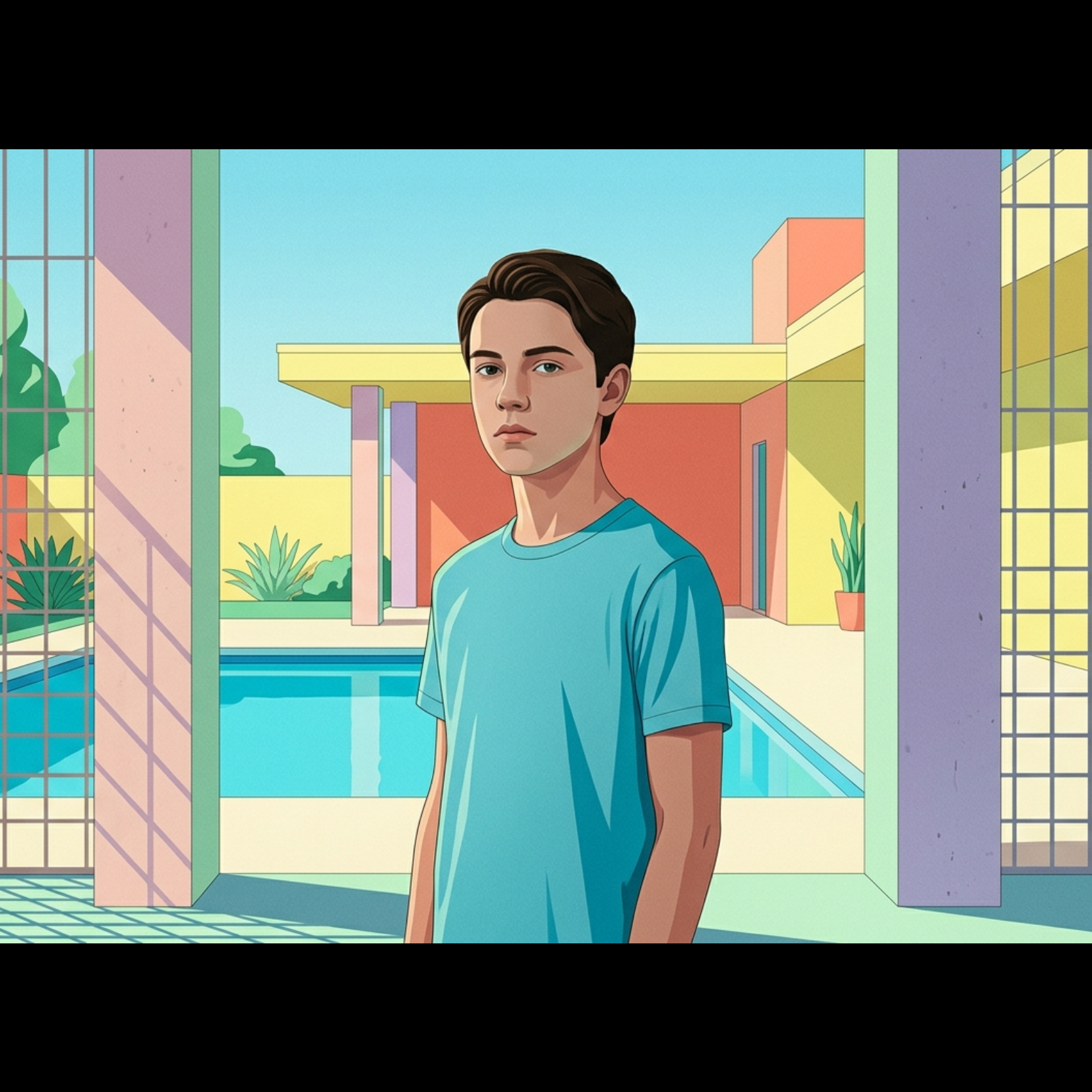
Is Adolescence a Social Construct or a Physiological State? — Did We Build the Cage?
from Diabesity Decodified - Is Food the root cause of Type 2 Diabetes Mellitus pandemic?
Adolescence- a Social Construct or a Physiological state?Adolescence is one of medicine's most comfortable assumptions. We treat it as though nature designed it — a universal, biologically driven stage bridging childhood & adulthood. More one examines the evidence across neuroscience, anthropology, history, and reproductive biology, clearer it becomes: puberty is biology. Adolescence is a story we started telling in 19th century — and then forgot that this was fiction.PUBERTY VS ADOLESCENCE — DISTINCTION THAT CHANGES EVERYTHINGPuberty is a universal biological event. Driven by the hypothalamic-pituitary-gonadal axis, it triggers hormonal surges, physical transformation, and neural rewiring — occurring consistently across every culture, every era, and every mammal on Earth. Its behavioural correlates — heightened emotional sensitivity, increased risk-taking — are transient neuroendocrine responses shared by adolescent chimpanzees, rodents, and monkeys alike. Yet no zoologist describes those animals as going through "adolescence." They are simply reproducing-age animals responding to biology.Adolescence, by contrast, is the prolonged social period — stretching into the mid-20s — characterised by dependency, identity limbo, and deferred autonomy. This period is not found in every culture, was absent through most of human history, and exists in no other species. The distinction is not semantic. It is foundational.WE INVENTED TEENAGER IN 1940sPre-industrial societies had no adolescent phase. Children assumed adult roles — marriage, labour, civic responsibility — shortly after puberty. The modern concept emerged with industrialisation: compulsory schooling, child labour laws, and a knowledge economy that required a holding period before young people could participate fully. By the 1940s, the word "teenager" had entered common usage. We did not discover adolescence. We manufactured it — and naturalized it.BRAIN IS BEING MISREADThe prefrontal cortex matures into the mid-20s — but this is a plasticity window, not a warning label. The human brain remains malleable throughout life, shaped continuously by environment, expectation, and experience. In societies where post-pubertal individuals are expected to be stable, responsible adults — they largely are. Among the !Kung of Southern Africa, young adults assume productive roles immediately after puberty, without prolonged rebellion or emotional turbulence. Same biology. Radically different behaviour. The variable is culture, not chromosomes.SELF-PERPETUATING LOOPModern societies have trademarked adolescence with impulsivity, rebellion, and volatility — and then normalised these as biologically inevitable. Each generation performs these expectations more intensely than the last, widening the generation gap not through changing biology, but through deepening cultural reinforcement. Behaviours rooted in psychosocial stress or inadequate support are misread as developmental destiny — deflecting timely intervention and eroding social accountability.WAY FORWARDRecognising adolescence as a social construct is not a call to ignore the post-pubertal years. It is a call to reimagine them. Clinicians should frame counselling around physiology rather than moral panic. Educators should introduce real responsibility earlier, bridging the artificial gap between schooling and adulthood. Policymakers should design for agency — through vocational training, civic engagement, and intergenerational dialogue. Researchers should study cultures without prolonged adolescence; the cross-cultural data is illuminating.Adolescence, stripped of its manufactured dysfunction, could be exactly what the brain's extraordinary neuroplasticity makes possible — not a waiting room, but a launchpad for purposeful adulthood.
Embed this episode
Ready to play
Is Adolescence a Social Construct or a Physiological State? — Did We Build the Cage?
No transcript for this episode yet
Similar Episodes
No similar episodes found.
Similar Podcasts
No similar podcasts found.