
EPISODE · Jul 8, 2025 · 28 MIN
Is Development Destroyed? Not so fast!
from GDP - The Global Development Primer · host Dr. Robert Huish
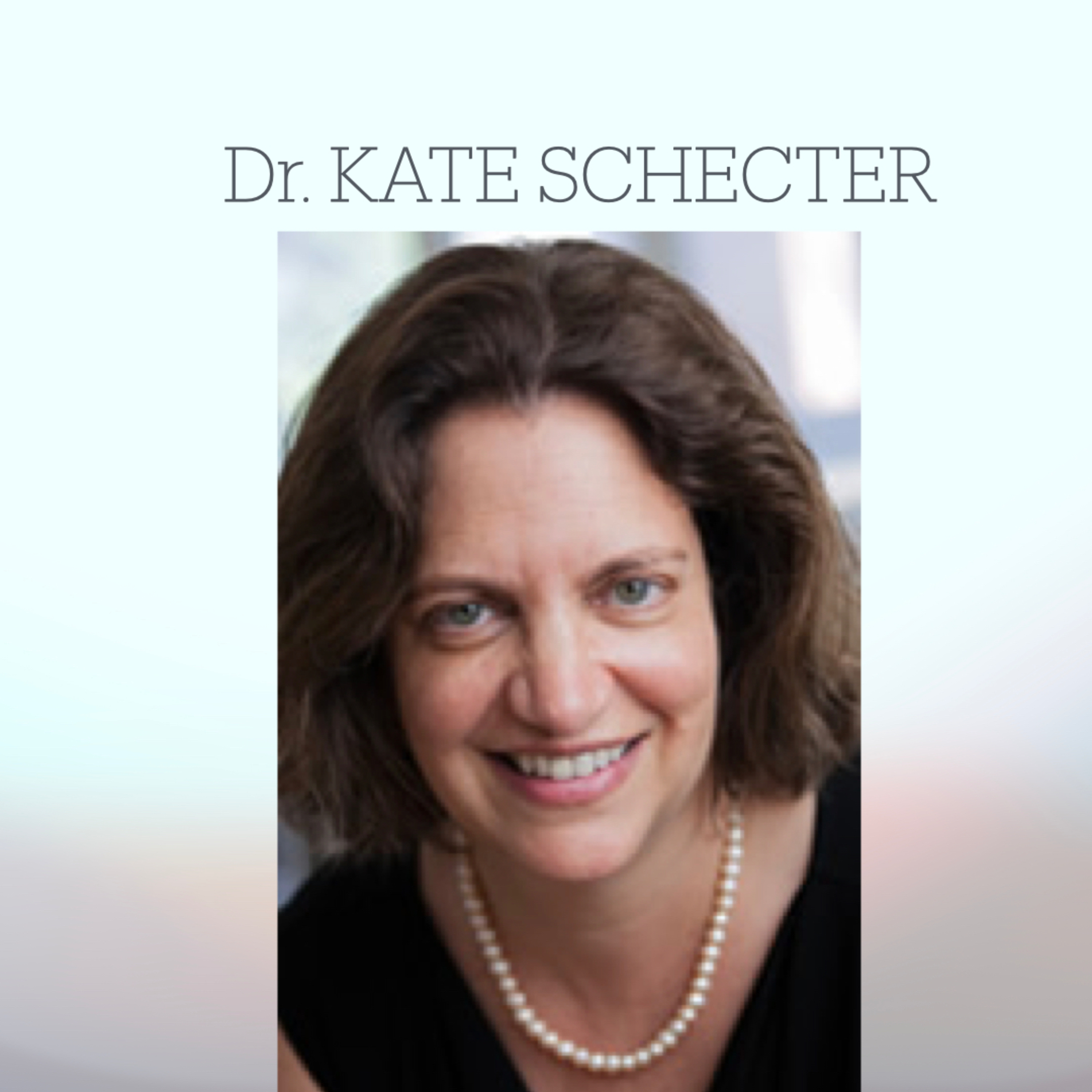
US-based international development organizations will now need to heavily rely on private funding to grow—and even maintain—their operations around the world. Can that work? If so, what kind of programs are well-suited to private funding? World Neighbors, a nearly 75-year-old development organization based in Oklahoma City, OK, has relied overwhelmingly on private funding for nearly all of its existence. The private funding model is suited to a different methodology than those of most development organizations that rely on government funds. The corporate world provides an analogy Public companies tend to get very focused on quarterly results. Private companies, freed from that pressure, usually have more room to focus on long-term results. In a similar way, World Neighbors’s methodology is built on long-term, comprehensive development that results in community self-reliance. Its programs, which always include a savings and credit mechanism to generate capital, usually last a minimum of 8 years. They are run with and through local partners and coordinated with government bodies so communities can obtain long-term funding and other support that drive—and sustain—economic and social development. World Neighbors has a handful of headquarters staff. Nearly all paid staff live in the communities in which the work. They, in turn, rely heavily on community volunteers on health, clean water, nutrition and other dimensions of the comprehensive community development programs. The key to this long-term approach are World Neighbors’s private funders. Kate Schecter, Ph.D., joined World Neighbors as the President and CEO in June of 2014. World Neighbors is a 71 year old international development organization that works with rural isolated communities to help find solutions to permanently lift these communities out of poverty. Dr. Schecter is responsible for managing World Neighbors’ programs and operations in 14 countries in Asia, Africa, Latin America, and the Caribbean. In her previous position, she worked for the American International Health Alliance (AIHA) for 14 years. As a Senior Program Officer at AIHA, she had responsibility for managing health partnerships throughout Eurasia and Central and Eastern Europe. She worked with over 35 partnerships addressing primary healthcare, chronic disease management, hospital management, maternal/child health, Tuberculosis, blood safety and HIV/AIDS.
Embed this episode
Ready to play
Is Development Destroyed? Not so fast!
No transcript for this episode yet
Similar Episodes
No similar episodes found.